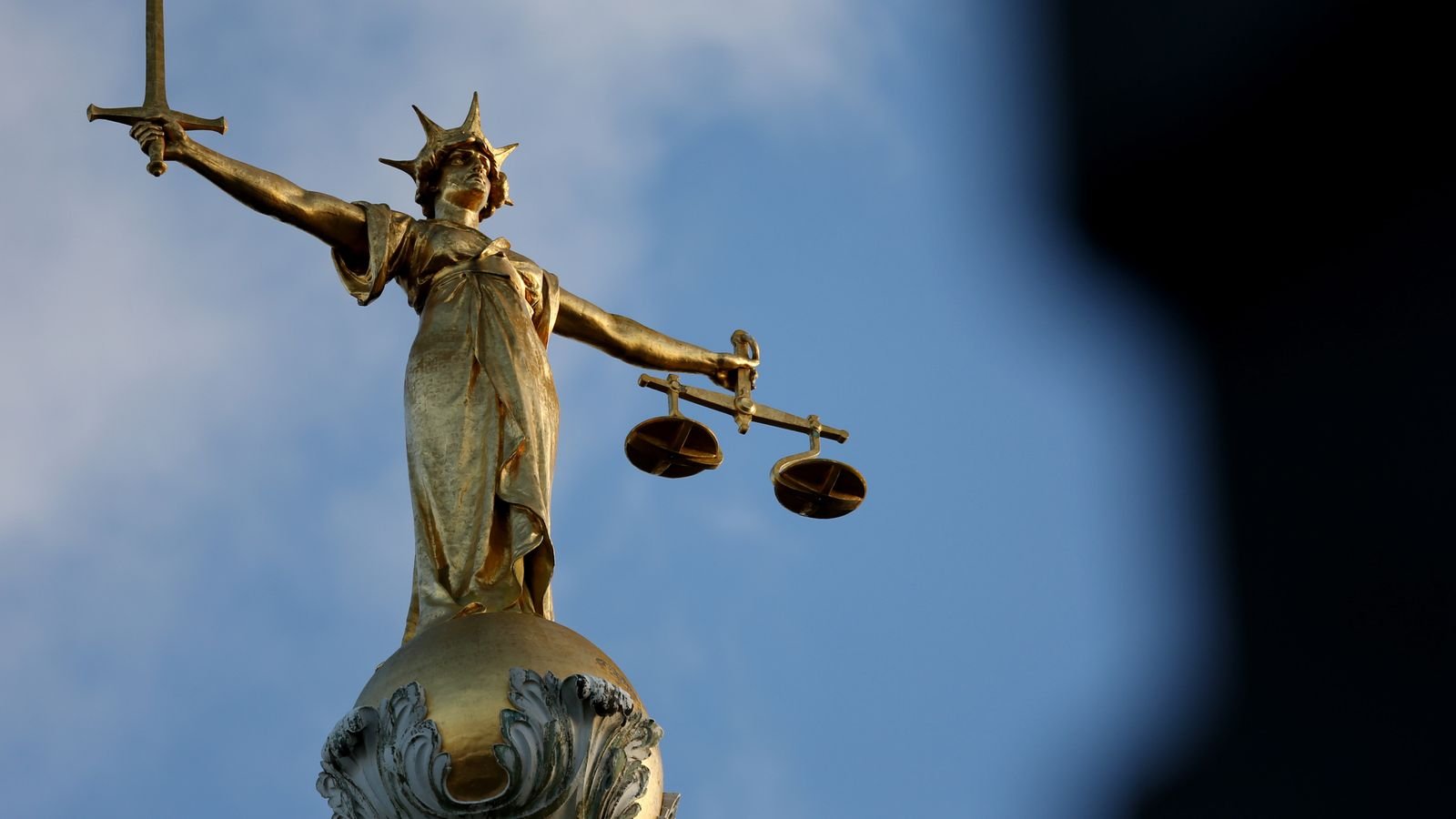
Justice Secretary Sets Stage for Significant Reforms
Justice Secretary David Lammy has indicated that upcoming reforms will prioritise victims in a bid to expedite the judicial process. Plans are reportedly in motion to limit the use of jury trials in certain cases, with a focus on alleviating the backlog currently straining the court system.
Proposed Changes to Jury Trials
Reports suggest that a significant shift in how some cases are adjudicated could occur, with judges handling the majority of cases, aside from the most serious offences such as murder, rape, and manslaughter, or those deemed to be in the “public interest.” The Ministry of Justice (MoJ) believes that these changes will streamline the judicial process, aiming to spare victims from prolonged delays.
Current Backlog and Its Impact
Nearly 80,000 cases are currently queued in crown courts, leading to extended wait times that have left many victims in limbo. Mr. Lammy cited cases like a rape victim facing a court date as far away as 2029 and a mother grieving the loss of a child waiting for justice against a reckless driver.
Reactions from Political Figures
Criticism has emerged from the opposition, with Shadow Justice Secretary Robert Jenrick urging for alternative measures to tackle the court backlog rather than compromising the rights of British citizens. Jenrick emphasised the historical importance of jury trials, which have been a cornerstone of the justice system for over 800 years.
In response, Mr. Lammy acknowledged the gravity of the situation, maintaining that victims must be placed at the heart of judicial reforms. He remarked on inheriting a judiciary on the brink of collapse and expressed a commitment to transforming the system for the betterment of survivors seeking justice.
Further Considerations
Details about these reforms are expected soon, but there are concerns among legal experts that limiting jury trials could heighten the risk of wrongful convictions and exacerbate issues surrounding racial discrimination. The proposed changes reportedly go beyond recommendations made in a review led by retired judge Sir Brian Leveson.
Potential Outcomes
As the MoJ prepares to introduce these reforms, it has warned that the backlog could escalate to 100,000 cases by 2028 if current practices continue. Currently, only 3% of cases are resolved by jury, with over 90% already processed by magistrates.
Background
The proposed reforms come amid growing concerns about the efficiency of the UK’s judicial system, particularly as public dissatisfaction mounts over delays in case resolutions. The justice system’s struggles to cope with increasing demands have prompted calls for innovation and change, setting the stage for a potentially transformative period in UK law.
Source: Original Article