























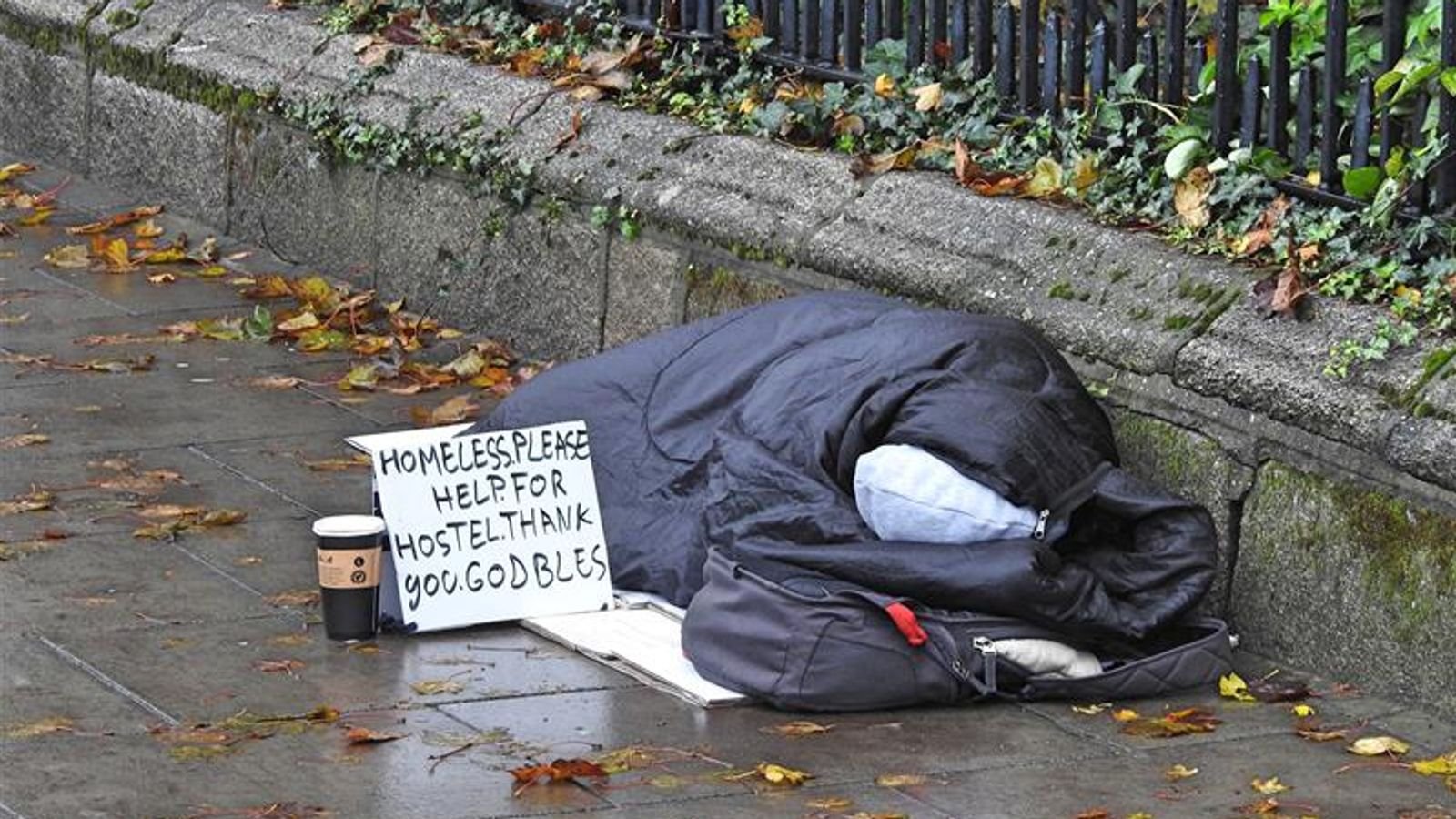
Government Faces Criticism Over New Homelessness Strategy
Homelessness charities have expressed serious concerns regarding the government’s latest initiative aimed at addressing rough sleeping in Britain. Despite the announcement of a £3.5 billion funding plan, advocates argue that the proposed measures are inadequate to tackle the nation’s escalating homelessness crisis.
Charity Concerns
The recently released strategy has been met with disappointment from various charitable organisations. Labour’s National Plan to End Homelessness has been described as lacking critical elements necessary for achieving its ambitious target of halving the homeless population by the year 2029/30. Crisis, an charity dedicated to supporting the homeless, commented that only a mere £100 million of the allocated funding is genuinely new.
Paula Barker, a Labour MP and co-chair of the All-Party Parliamentary Group (APPG) focused on ending homelessness, articulated her discontent, labelling the strategy as having little substance and indicating that it appeared to be hurriedly crafted. She stated her disappointment with the plan’s lack of clarity on vital areas, including prevention measures and accommodation solutions for those on the streets.
Current Situation
According to Shelter, a leading housing charity, an alarming 382,618 individuals in England—including a record 175,025 children—are expected to face homelessness this Christmas, representing one in every 153 people across the country.
Key Proposals of the New Strategy
The government’s plan encompasses three primary objectives:
- Halving the number of long-term rough sleepers by the end of the current parliament.
- Minimising the duration families spend in bed and breakfast accommodations.
- Implementing preventive measures to reduce homelessness.
In addition to these goals, the government has introduced various measures, including:
- Enhancing collaboration among prisons, hospitals, and social care services through a new “duty to collaborate”.
- Lowering the number of individuals experiencing homelessness upon their first night after being released from prison.
- Ensuring individuals are not discharged from hospitals directly to the streets.
- Providing support for 2,070 households currently residing in bed and breakfasts for over six weeks.
- Allocating an additional £50 million to councils, with an expectation to develop tailored action plans.
A £124 million supported housing initiative is also set to be launched, aiming to assist approximately 2,500 people in England in exiting homelessness.
Mixed Reactions
While Ms. Barker acknowledged the scale of the financial commitment, she reiterated her disappointment regarding the absence of bold and clear solutions. Many still question how effective the new measures will be in adequately addressing the underlying causes of homelessness.
Matt Downie, CEO of Crisis, highlighted significant ongoing issues, such as the long-term freeze on housing benefits and a lack of coherent support structures for refugees at risk of homelessness. He stated that more is needed to truly confront the homelessness crisis effectively.
Similarly, Shelter’s head, Sarah Elliott, remarked that the plan does not go far enough, asserting that the frozen housing benefits severely limit individuals’ abilities to rent privately. She emphasised the necessity of increasing the construction of social housing to create viable options for those experiencing homelessness.
Centrepoint, a charity that aids young individuals facing homelessness, labelled the strategy as potentially transformative but cautioned that substantial gaps still exist. These organisations agree that the funding increases do not squarely address the scale of the homelessness problem.
Political Responses
The Conservative Party has critiqued the strategy, claiming it reveals Labour’s shortcomings in addressing homelessness. Paul Holmes, the shadow housing minister, pointed to record increases in the number of households and children in temporary housing, attributing these issues to the government’s failure in house-building and immigration policy.
Background
The issue of homelessness in the UK has been growing increasingly dire, with charities and advocates warning of its societal implications. The government’s latest proposals emerge in a context of rising homelessness rates, drawing heightened scrutiny from various groups who believe that only a more comprehensive and proactive approach can lead to real solutions.
In light of the upcoming winter months, which typically exacerbate the hardships faced by those without stable housing, the urgency for effective measures is greater than ever.
Source: Original Article






