























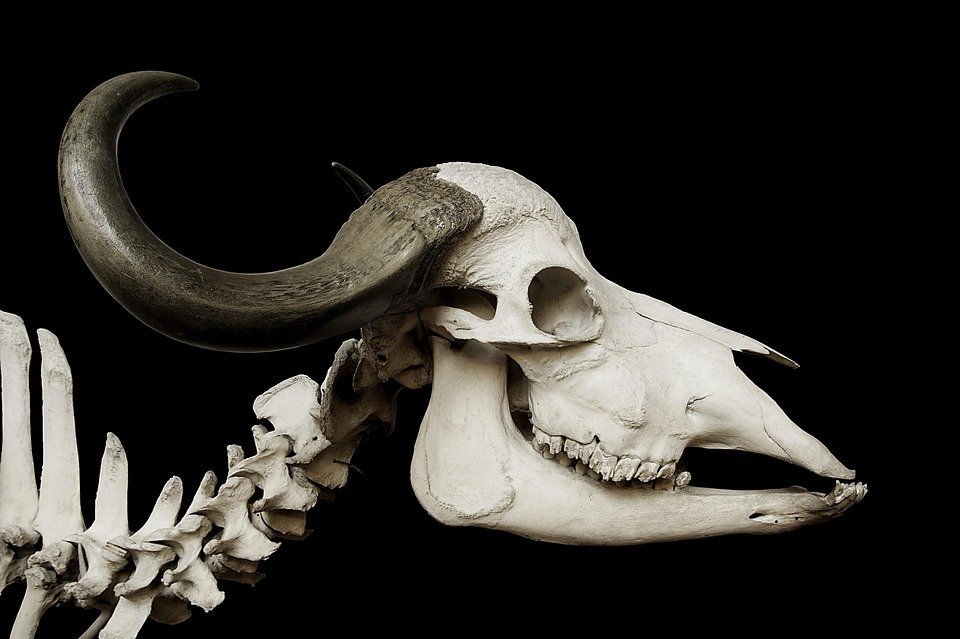
The musculoskeletal system is a complex network of bones, muscles, tendons, ligaments, and other connective tissues that plays a crucial role in the human body. This system supports the body, allows for movement, and protects vital organs. In this article, we’ll explore how muscles and bones work together to facilitate movement and maintain overall health.
The Components of the Musculoskeletal System
The musculoskeletal system comprises two primary components: bones and muscles, along with supportive structures.
- Bones: The human skeleton is made up of 206 bones that provide structure and protect organs. Bones also serve as levers for muscles to act upon.
- Muscles: There are three types of muscles in the body: skeletal, smooth, and cardiac. Skeletal muscles are responsible for voluntary movement and are attached to bones via tendons.
- Tendons: These connective tissues attach muscles to bones and are essential for transmitting the force generated by muscles.
- Ligaments: Ligaments connect bones to other bones and provide stability to joints.
How Muscles and Bones Collaborate
Movement occurs through a coordinated effort between muscles and bones. When a muscle contracts, it pulls on the tendon, which is attached to a bone. This action creates movement at the joint connecting the bones.
- Contraction: When a muscle contracts, it shortens and generates tension, which pulls on the tendon.
- Leverage: The bones act as levers; the point where the bones meet (the joint) serves as the fulcrum. Different muscles can create various types of movement depending on their position and attachment points on the bones.
- Joints: Joints, where two or more bones meet, are essential for movement. They vary in structure and function, allowing for different ranges of motion, such as bending and rotating.
Types of Movement
The collaboration between muscles and bones allows for various types of movement, including:
- Flexion and Extension: Bending and straightening joints, such as at the elbow or knee.
- Abduction and Adduction: Moving limbs away from or toward the body’s midline, such as raising arms to the side or bringing them back down.
- Rotation: Twisting movements, like turning the head from side to side.
Maintaining a Healthy Musculoskeletal System
Caring for your musculoskeletal system is vital for maintaining mobility and overall health. Here are some general wellness practices:
- Regular Exercise: Engaging in activities that strengthen muscles and improve flexibility can help maintain bone health and prevent injury.
- Balanced Nutrition: A diet rich in calcium and vitamin D supports bone health, while protein aids in muscle maintenance and repair.
- Proper Posture: Maintaining good posture reduces strain on the back and joints, contributing to overall musculoskeletal health.
Conclusion
The musculoskeletal system is essential for everyday functions and overall well-being. Understanding how muscles and bones work together can help you appreciate the importance of maintaining a healthy lifestyle. By prioritizing exercise, nutrition, and proper body mechanics, you can support this vital system and enhance your quality of life.






