























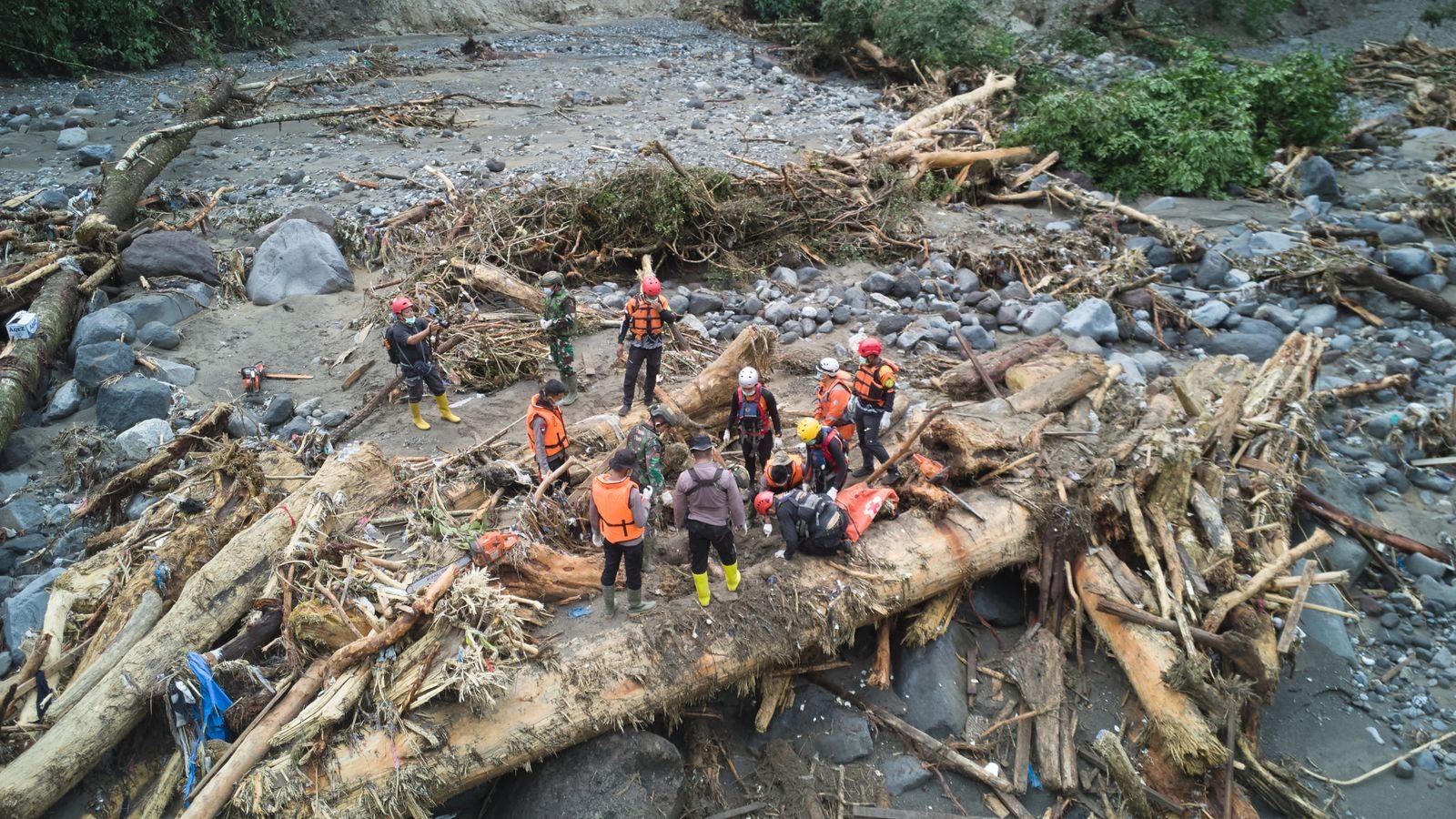
Deadly Floods and Landslides Strike Southeast Asia
Severe flooding and landslides in Southeast Asia have resulted in over 600 fatalities, with Indonesia and Thailand bearing the brunt of the devastation. In addition, neighboring Sri Lanka has reported more than 200 deaths due to a cyclone, further compounding the humanitarian crisis in the region.
Overview of Casualties and Affected Areas
As of midday UK time on Sunday, Indonesian authorities confirmed that 442 people have lost their lives, while Thailand reported 170 deaths in its southern territories. Malaysia has also seen three fatalities linked to the extreme weather conditions.
The catastrophic flooding has impacted more than four million individuals, with nearly three million in Southern Thailand and 1.1 million in Western Indonesia. These conditions have arisen due to a tropical storm originating from the Malacca Strait, which has resulted in blocked roads and disrupted communication networks across many affected areas.
Rescue Operations and Aid Efforts
Search and rescue operations are underway, using helicopters to provide aid to individuals cut off from help. Officials reported incidents of looting as desperation grows among those lacking access to essential supplies.
In Thailand’s Hat Yai, the largest city within Songkhla province, an astonishing 335mm of rainfall was recorded in one day, marking the highest level in three centuries.
Meanwhile, in Indonesia’s Tanah Datar, emergency crews continue to search for victims in areas heavily affected by floodwaters and landslides.
Broader Regional Impact
In Sri Lanka, the situation is equally dire, with 212 individuals confirmed dead due to Cyclone Ditwah. Reports from the nation indicate that 218 people are still missing across 25 districts, and the weather has affected more than half a million citizens.
Background
Natural disasters in South Asia and Southeast Asia are not uncommon, often exacerbated by climatic changes. The current weather events serve as a tragic reminder of the ongoing challenges faced by these regions in dealing with extreme weather conditions and their aftermath.
The international community is monitoring the situation closely, as the consequences of such disasters often extend beyond immediate humanitarian needs, influencing global reactions and international aid efforts.
Source: Original Article






