























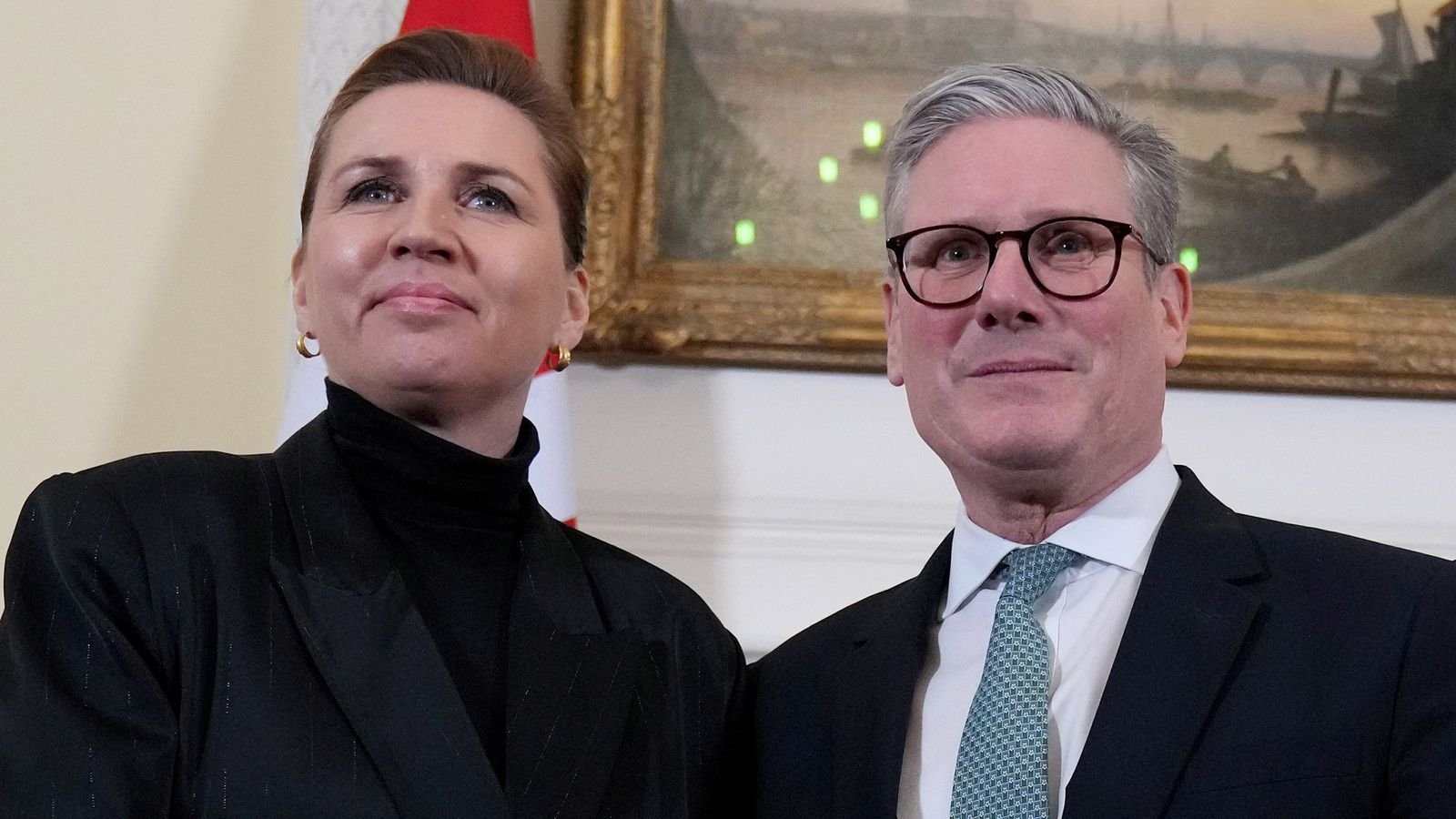
Starmer Advocates for Reform of Human Rights Framework Amidst Immigration Crisis
Sir Keir Starmer, the leader of the Labour Party, has urged for a stricter strategy regarding the policing of Europe’s borders, coinciding with an upcoming summit where leaders will evaluate possible amendments to the European Convention on Human Rights (ECHR). His comments arrive in a climate where the interpretation of the ECHR has come under fire, particularly regarding its role in impeding the deportation of illegal immigrants from the UK.
Calls for Modernisation of ECHR Interpretation
In a joint opinion piece published in The Guardian, Starmer and Danish Prime Minister Mette Frederiksen highlighted the necessity of updating how the convention is understood in UK courts. Critics argue that certain articles of the ECHR, especially Article 8—which protects the right to family life—are frequently cited as reasons to obstruct deportations.
- Article 3, which prohibits inhumane treatment, has also been invoked to stop deportations due to healthcare concerns in migrants’ home countries.
The Labour leader acknowledged in the op-ed that the current asylum legislation is outdated. He stated, “In a world with mass mobility, yesterday’s answers do not work,” emphasising that the asylum system needs to evolve to reflect today’s realities.
Government Actions and Criticism
While the Conservative Party, along with Reform UK, has suggested that they would opt out of the ECHR if elected, Starmer’s Labour government remains committed to staying within the treaty framework. Nevertheless, the UK government is set to propose legislation aimed at altering how Article 8 is interpreted in domestic courts, alongside a possible reassessment of thresholds for Article 3 rights.
Human rights activists, including Amnesty International UK, have voiced strong opposition to these proposed changes, suggesting they would undermine existing protections. Steve Valdez-Symonds, head of the organisation’s refugee and migrant rights programme, remarked, “Human rights were never meant to be optional or reserved for comfortable and secure times.” He argued that these rights should act as a guiding principle amidst political turmoil.
Impact on UK Immigration Policy
These developments come as the UK government grapples with a significant rise in small boat crossings by migrants across the English Channel. Starmer’s administration has already implemented various stringent immigration policies inspired by Denmark’s approach to managing asylum seekers, aiming to curb the flow of irregular crossings.
Current Political Landscape in Europe
The issue has garnered varying perspectives across the continent, with French far-right leader Jordan Bardella proposing radical reforms to national border policies. He advocates for a system that would allow British patrol boats to return migrant vessels to French waters, criticizing Starmer’s bilateral immigration agreement with President Emmanuel Macron as merely a temporary fix.
Background
The European Convention on Human Rights has been a cornerstone of human rights legislation in the UK. Its stipulations have often influenced national legal frameworks. The increasing complexity of migration patterns and public sentiment regarding immigration have led to calls for a comprehensive review of how these rights are applied, particularly in light of growing political pressures from populist groups.
As the forthcoming ministerial summit in Strasbourg approaches, where the future interpretation of the ECHR will be discussed, stakeholders from various political backgrounds are closely monitoring the proceedings, acknowledging the significant implications these reforms could have on human rights practices across Europe.
Source: Original Article






