























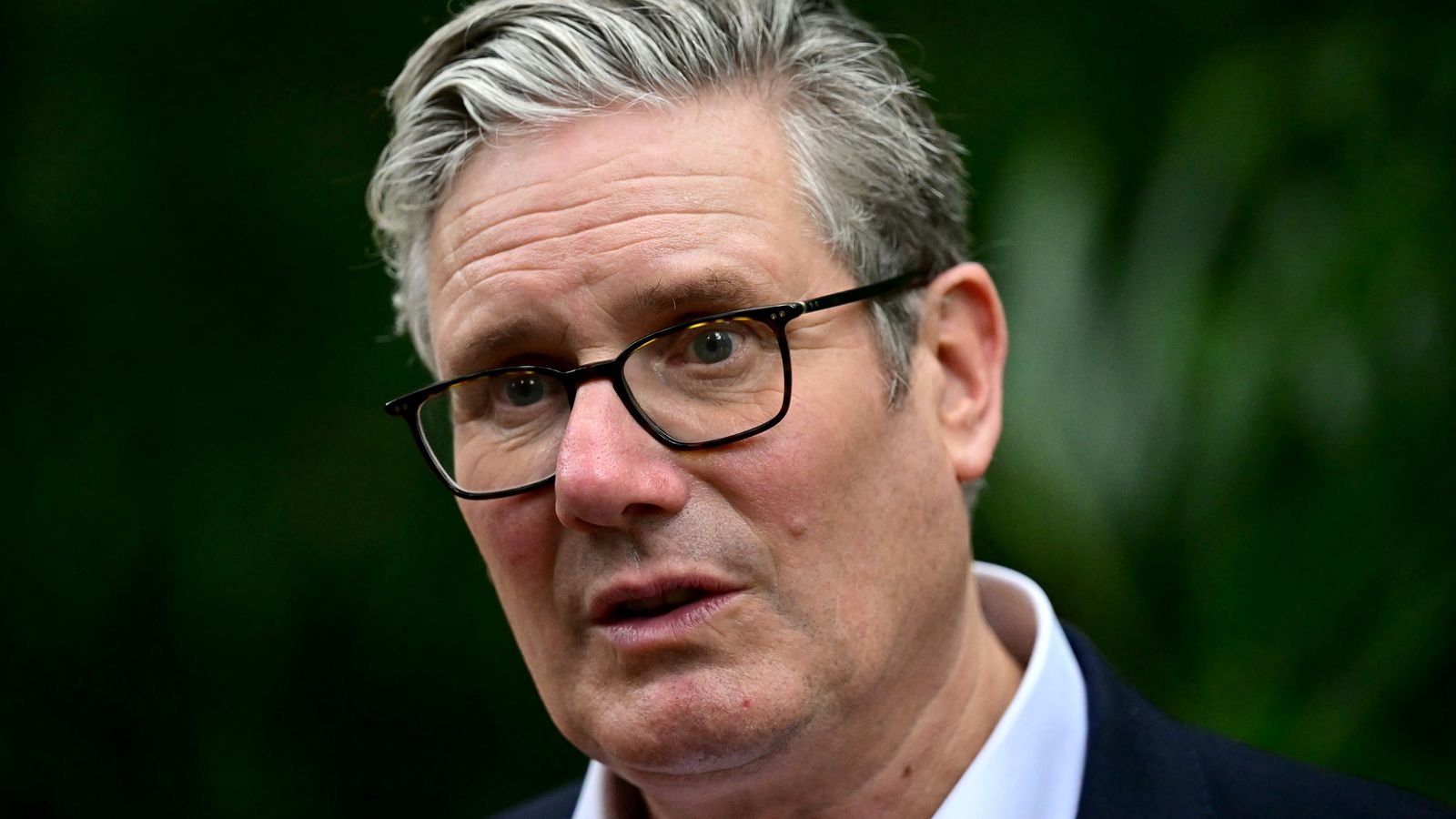
Worries Grow Over Starmer’s Leadership as Polls Show High Replacement Odds
New polling data from YouGov has revealed that nearly 50% of respondents believe Sir Keir Starmer will no longer serve as prime minister by the end of 2026. The survey, commissioned by Sky News, underscores mounting concerns within the Labour Party regarding their polling performance as the upcoming local elections loom.
Potential Challengers Emerge Amid Discontent
Several prominent figures within the Labour Party are reportedly considering leadership bids should the results of May’s local elections be disappointing. Among those speculated as possible successors are Health Secretary Wes Streeting, Greater Manchester mayor Andy Burnham, Home Secretary Shabana Mahmood, and former deputy leader Angela Rayner.
Despite Labour Party chair Anna Turley’s assertion that Sir Keir will “absolutely” remain prime minister next Christmas, public sentiment appears to differ significantly. The poll findings indicate that:
- 31% of voters believe Starmer will “probably” be replaced within a year.
- 19% think he will “definitely” vacate his position.
- A mere 35% feel he has a good chance of continuing as Labour leader.
Economic Concerns Influence Public Opinion
Overall dissatisfaction with the government’s economic management is evident in the same YouGov survey. A striking 71% of participants believe the economy has worsened over the past year, while only 7% perceive any improvement.
Participants also reflected a pessimistic outlook on their personal finances:
- Only 15% expect their financial situation to improve in the coming year.
- 40% anticipate it will worsen.
- 39% believe their finances will remain unchanged.
This general malaise regarding personal financial stability has lessened somewhat compared to November’s post-budget sentiments, when 56% expressed fears of worsening financial conditions and 75% criticized the government’s economic management.
Current Polling Landscape
In a separate YouGov survey of more than 2,200 participants, Labour is positioned second in voter intention, showing a two-point increase to 20%. However, Reform UK still leads, though their support has decreased from 28% to 25%. The Conservative Party follows closely behind Labour at 19%, up from 17%, while the Liberal Democrats also show a slight increase to 15%. Meanwhile, the Green Party has fallen from 17% to 15%.
Background
Labour’s internal dynamics and public perception of its leadership have been under scrutiny, particularly as the party prepares for upcoming elections that could significantly affect its standing in national politics. The uncertainty surrounding Starmer’s leadership amid these challenges raises questions about the party’s future direction and efficacy in addressing the pressing issues facing the UK today.
Source: Original Article






