























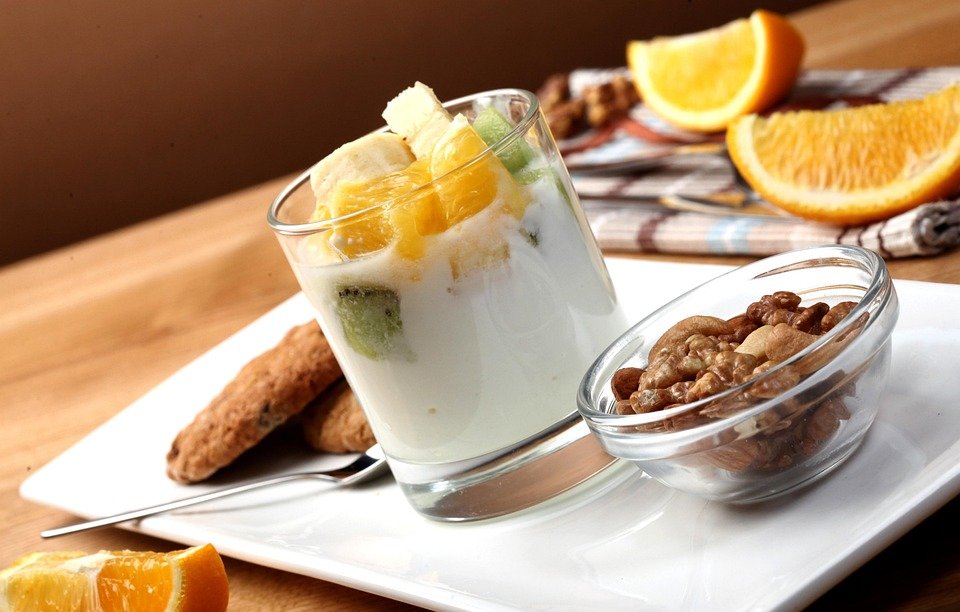
Portion control is an essential aspect of healthy eating that involves managing the amount of food consumed at one time. Understanding how to control portions can contribute to better overall health and wellness.
Understanding Portion Sizes
Portion sizes can vary significantly between different foods and meals. Recognizing what constitutes a healthy portion can help individuals make more informed dietary choices.
Benefits of Portion Control
- Helps maintain a healthy weight by preventing overeating.
- Promotes mindful eating, which encourages individuals to pay attention to their hunger and fullness cues.
- Reduces food waste by serving only what is necessary.
Strategies for Managing Portions
- Use Smaller Plates: Smaller dishes can create the illusion of a fuller plate, helping to control portion sizes naturally.
- Measure Food: Using measuring cups or a food scale can help to better understand portion sizes, especially when trying new foods.
- Understand Serving Sizes: Familiarize yourself with standard serving sizes for various food groups to make better choices.
- Fill Half Your Plate with Fruits and Vegetables: This not only enhances nutrient intake but also helps control calorie consumption.
- Avoid Eating Straight from the Package: Instead, serve snacks in a bowl to help manage quantities.
Practicing Mindful Eating
Mindful eating involves focusing on the experience of eating and being aware of hunger and fullness signals. This practice can aid in portion control by encouraging individuals to slow down and appreciate their meals.
Conclusion
Practicing portion control can lead to healthier eating habits and improved well-being. By recognizing appropriate portion sizes and incorporating mindful eating practices, individuals can take positive steps toward better health.






