Protests Erupt Across Iran Amid Economic Crisis
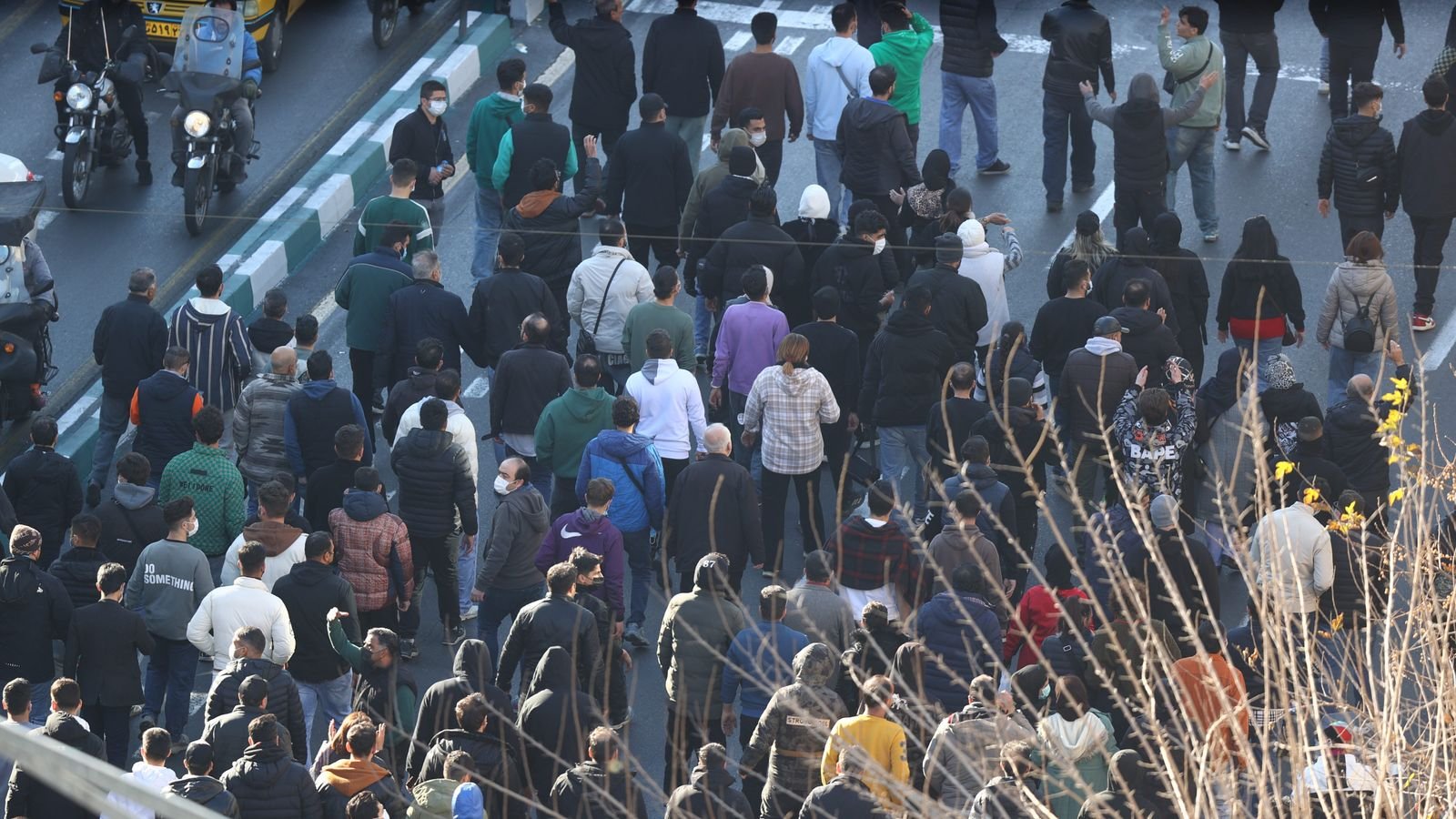
Widespread protests have erupted in Iran, driven by a deepening economic crisis that has gripped the country for years. Beginning on 28 December in Tehran, the unrest has now expanded to over 257 cities across 27 of Iran’s 31 provinces, resulting in at least 29 fatalities, including two security personnel, and over 1,200 arrests.
Triggers of the Unrest
The catalyst for the demonstrations was a strike initiated by shopkeepers in Tehran, coinciding with the Iranian currency reaching an unprecedented low against the US dollar. Iran has faced continuous economic struggles, exacerbated by stringent US sanctions reintroduced in 2018 during Donald Trump’s presidency, alongside a series of sanctions imposed by the United Nations from September 2025 onwards.
The situation further deteriorated following military actions by Israel and the US targeting Iran’s nuclear sites in mid-2025, an escalating conflict that Iran insists is purely for peaceful energy purposes.
Escalation of Protests
Initially focused on issues of economic hardship, the protests have evolved into broader political dissatisfaction, with demonstrators chanting anti-government slogans. In a striking display of unity, university students and shopkeepers were seen marching together in Tehran, expressing their frustrations against the regime.
Reports indicate that protestors attempted to breach a local government office in Fars province, and clashes have escalated, particularly in western regions of Iran, leading to injuries among police and paramilitary forces.
Public Sentiment
The surge in prices has intensified public discontent, with essentials like cooking oil and meat now far exceeding the financial reach of many citizens. One resident recounted sharp price increases for goods, highlighting the urgency of the situation affecting everyday life.
Government Response
In light of the protests, Iranian President Masoud Pezeshkian has acknowledged the public’s grievances, suggesting that the government may engage in dialogue with protest leaders. However, he has also indicated that new measures will likely lead to further price hikes, as the government transitions from subsidised foreign currency exchange to direct monthly subsidies for individuals.
Supreme Leader Ayatollah Ali Khamenei characterized the tension as a distinction between peaceful protesters and those aiming to instigate chaos, warning that disruptive elements would face repercussions.
International Implications
As these protests unfold, global powers are watching closely. On 2 January, President Trump threatened intervention if the Iranian government resorted to violent repression of demonstrators. This statement prompted stern warnings from Iranian officials regarding potential threats to US interests in the region, intensifying the geopolitical stakes surrounding the unrest.
Background
Protest movements in Iran are not a new phenomenon, with significant civil unrest occurring in various decades, notably in the 1970s and early 2000s. More recently, protests erupted in 2022 following hikes in essential goods, triggered by economic mismanagement and external pressures, notably related to Iran’s nuclear ambitions.
The events of 2023 mark a critical moment in Iran’s socio-political landscape, as the government’s capacity to quell dissent will significantly impact not only its internal stability but also its relations on the international stage.
As the situation develops, the resilience of the Iranian populace and the government’s response will shape the trajectory of Iran’s future amidst mounting pressures both domestically and internationally.
Source: Original Article