























Inquiry Links Putin to Skripal Poisoning; Responsibility for Death of Innocent Woman Acknowledged
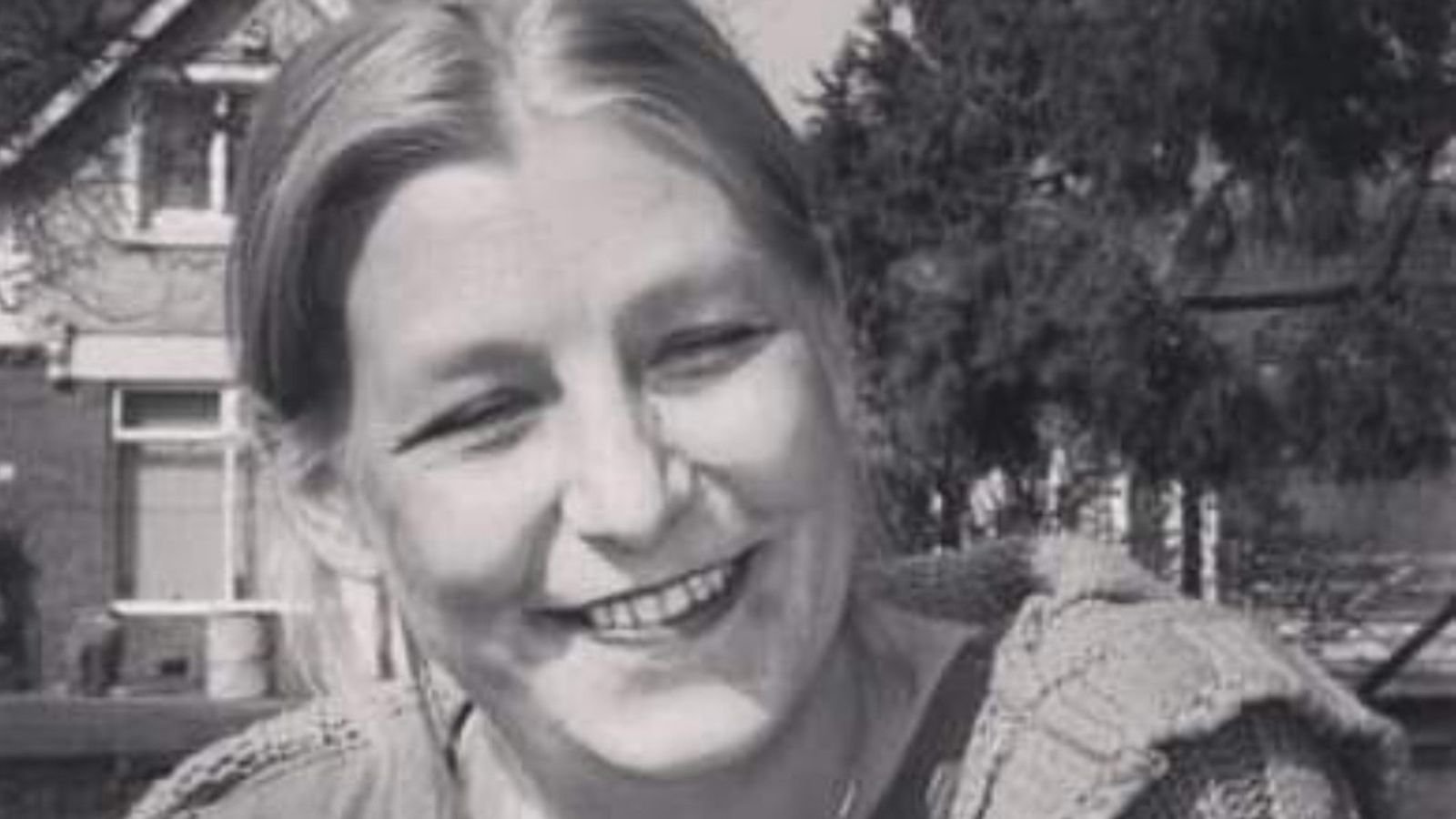
A public inquiry has determined that Russian President Vladimir Putin bears moral responsibility for the poisoning death of Dawn Sturgess, an innocent bystander, in the aftermath of the attempted assassination of former spy Sergei Skripal. The inquiry, led by Lord Hughes, revealed significant failings in the UK’s handling of the situation, although it noted that prior assessments of risk to Skripal were justifiable at the time of the attack.
Details of the Attack
Lord Hughes, in his exhaustive 174-page report, detailed the events of March 4, 2018, when Skripal, a former officer of Russian military intelligence who had defected to the UK, was poisoned along with his daughter, Yulia. Both survived the attack, which used a potent nerve agent called Novichok. However, the repercussions of this incident extended far beyond the Skripals, culminating in the tragic death of Sturgess, who accidentally came into contact with the same nerve agent days later.
Background of the Assassination Attempt
The inquiry uncovered that GRU agents, operating under aliases, were sent from Russia to carry out the attempt on Skripal’s life. They brought a Nina Ricci perfume bottle containing the toxin to Salisbury, which they used to poison the door handle of Skripal’s residence. The investigation highlighted the reckless manner in which the agents operated, creating significant danger for the public.
Despite Sturgess receiving appropriate medical attention, her condition was deemed “unsurvivable” from an early stage after she was poisoned on June 30, 2018.
Key Findings on Responsibility
Lord Hughes concluded that the operation to assassinate Skripal was sanctioned at the highest levels of the Russian government, stating, “I have concluded that the operation to assassinate Sergei Skripal must have been authorised at the highest level, by President Putin.” He emphasized that the individuals involved in this act, including the agents and those who directed them, share moral accountability for Sturgess’s death.
Public Safety and Risk Assessment
While the inquiry did identify shortcomings in the management and ongoing risk assessment of Skripal’s security, it acknowledged that the assessment in place prior to the attack—that he was not at “significant risk”—was reasonable under the circumstances. The inquiry noted that comprehensive safeguards, such as a complete change of identity, would have been necessary to prevent such incidents.
Consequences and Public Health Concerns
The investigation revealed that the nerve agent attack had direct consequences for numerous civilians, with 87 people requiring medical attention following the incident. Lord Hughes labeled the deployment of the toxic agent in a public setting as both “astonishingly reckless” and predictable in its potential for collateral harm.
Background
This incident is part of a broader narrative regarding Russia’s alleged involvement in state-sponsored attacks on dissidents and former spies abroad. The Skripal case pierced the surface of UK-Russia relations, leading to diplomatic tensions and public apprehension about the safety measures in place for former intelligence operatives.
Russian Denial and Rejection of Claims
The Russian Embassy has categorically denied any involvement in the Skripal case, dismissing claims as part of a UK agenda to defame Russia. However, the inquiry’s chairman firmly rejected these assertions, citing overwhelming evidence of a direct state-sponsored attack.
As this inquiry draws to a close, questions remain about public safety protocols and the implications for diplomatic relations between the UK and Russia. The investigation has highlighted gaps in current security measures for high-risk individuals, underscoring the need for a comprehensive review moving forward.
Source: Original Article






