Introduction to Rhythm and Tempo
Rhythm and tempo are foundational elements in music theory that help in analyzing and comprehending the structures of classical compositions. While rhythm refers to the pattern of sounds and silences in music, tempo denotes the speed at which a piece is played. Together, they contribute significantly to the emotional and structural integrity of musical works.
The Role of Rhythm in Classical Music
Rhythm acts as the backbone of any musical piece, guiding performers and listeners through the auditory experience. It is composed of various elements including:
- Beat: The basic unit of time in music, which can be felt as a pulse.
- Meter: The organization of beats into regular groups, often marked by time signatures, such as 4/4 or 3/4.
- Syncopation: The placement of rhythmic stresses on beats that are typically weak or off-beat, adding interest and complexity.
Many classical composers, such as Johann Sebastian Bach, skillfully utilized rhythm to bring dynamism and expression to their works, enhancing the listener’s engagement with the music.
Understanding Tempo in Composition
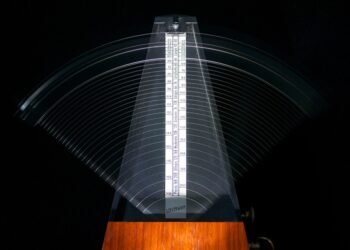
Tempo, measured in beats per minute (BPM), dictates how slowly or quickly music is performed. It plays a crucial role in conveying the character and mood of a composition. Key tempo markings often found in classical scores include:
- Grave: Very slow (24-40 BPM)
- Largo: Broad and very slow (40-60 BPM)
- Andante: Moderate walking pace (76-108 BPM)
- Allegro: Fast, lively (120-168 BPM)
- Presto: Extremely fast (168-177 BPM)
Composers like Ludwig van Beethoven and Wolfgang Amadeus Mozart used tempo variations to evoke different emotions and maintain audience interest, resulting in varied interpretations of their compositions.
Rhythm and Tempo in Different Musical Genres
While rhythm and tempo are pivotal in classical music, they also play significant roles in other musical genres. For instance:
- Jazz: Often features complex rhythms and fluctuating tempos, allowing for improvisation.
- Folk Music: Typically displays straightforward rhythmic patterns and moderate tempos, enhancing accessibility and danceability.
- Rock Music: Frequently employs steady beats with variations in tempo to amplify the energetic nature of the genre.
These differences highlight how rhythm and tempo can shape the identity and expression of diverse musical styles.
Cultural Perspectives on Rhythm and Tempo
Different cultures have distinctive approaches to rhythm and tempo, which can influence classical and contemporary compositions. For example:
- African Music: Notable for its polyrhythmic textures, where multiple rhythms coexist.
- Indian Classical Music: Utilizes intricate rhythmic cycles known as tala with flexible tempo.
- Latin American Music: Often features syncopated rhythms that drive genres like salsa and tango.
Understanding these cultural nuances enriches the appreciation of rhythm and tempo within classical compositions.
Conclusion
Rhythm and tempo are essential components that shape the essence of classical music and countless other genres. By analyzing these elements, musicians and listeners alike can deepen their understanding of compositions, uncovering the intricate structures that make music a powerful form of expression.