























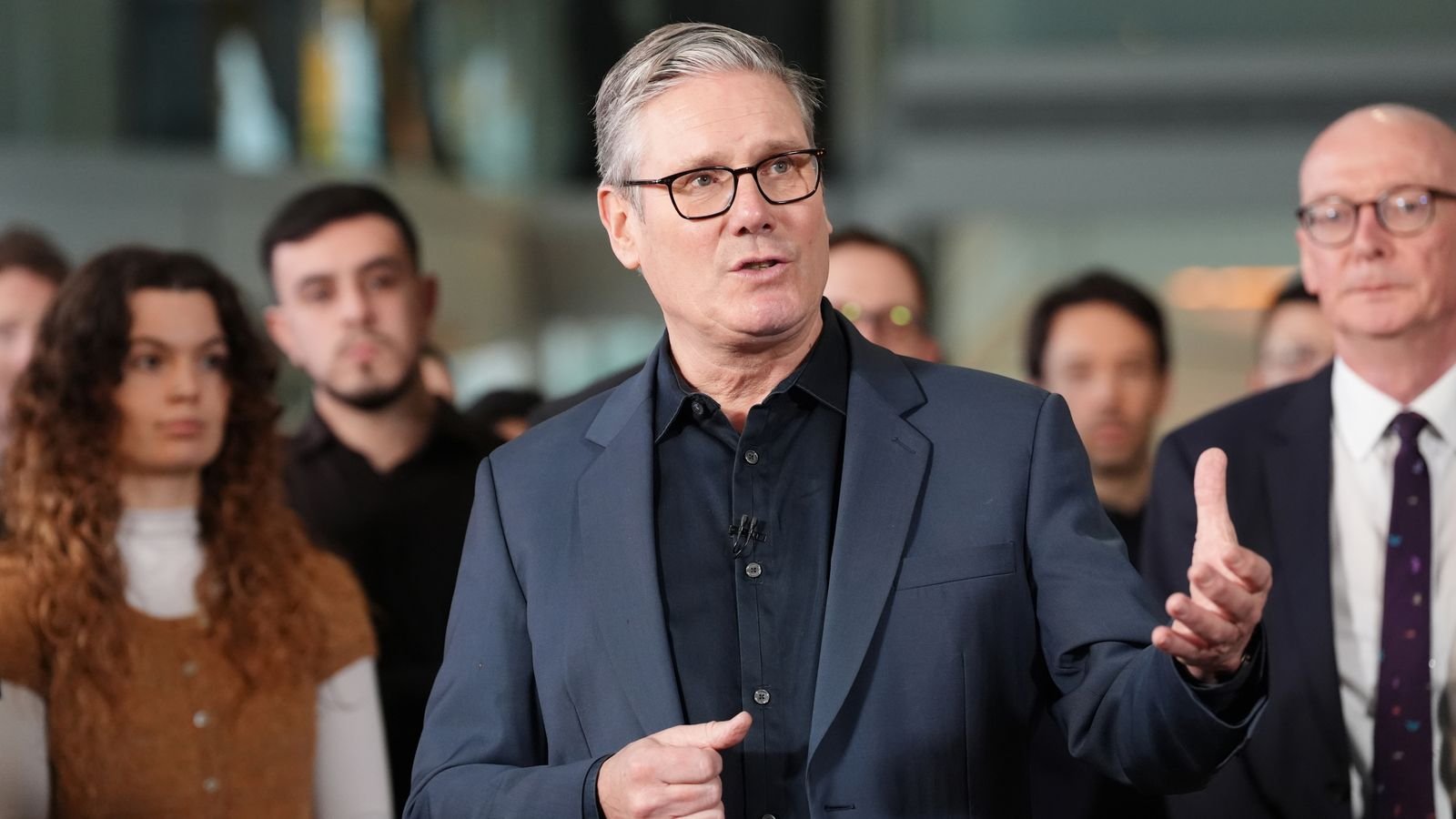
Government Unveils Ambitious 10-Year Youth Plan with Focus on Support and Opportunity
In a move described as a “moral mission,” Prime Minister Sir Keir Starmer has launched a comprehensive 10-year strategy aimed at enhancing youth services across the UK. The initiative, backed by a substantial £500 million investment, seeks to address the pressing challenges faced by young people and combat a decade of perceived neglect.
Key Components of the Youth Strategy
Officially unveiled today, the youth plan aims to provide support and resources to young individuals throughout England. Among its primary goals is the aim to connect 500,000 additional young people with responsible adults outside their homes through structured programmes. The government also intends to make online safety resources readily accessible.
As part of this initiative, Sir Keir has stated that those opting for apprenticeships will receive equal recognition and opportunities, diminishing the stigma often associated with vocational training. The strategy outlines several notable measures:
- Establishment of 70 “young futures” hubs by March 2029, with the first eight scheduled to open by March 2024.
- Creation of a £60 million Richer Young Lives fund to support youth-oriented organisations in less-served areas.
- A new £22.5 million programme focused on enhancing wellbeing and life skills in up to 400 schools.
- Investment of £15 million for the recruitment and training of youth workers and volunteers.
- A £5 million boost for improving youth services through local collaborations and digital technology.
Reaction from Government Officials
Culture Secretary Lisa Nandy highlighted that young individuals today are experiencing unprecedented levels of isolation and that swift action is necessary to change this trajectory. “Young people have communicated their needs clearly,” she stated, emphasizing the importance of mental health support and community engagement.
The youth strategy follows a survey conducted by Nandy’s office, which engaged over 14,000 youths across England, illustrating their demand for meaningful opportunities and support.
Opposition Response
In contrast, the Conservative Party has raised concerns about the current government’s track record. They argue that Labour’s policies may worsen prospects for future generations. Critics have also pointed out the recent discontinuation of the National Citizen Service (NCS), indicating that the government’s commitment to youth services may not be robust enough.
Shadow Culture Secretary Nigel Huddlestone acknowledged that investment in youth services is essential but cautioned that Labour’s economic strategies could ultimately stifle opportunities and exacerbate inflation.
Background
The launch of this youth plan comes at a critical time when young people are grappling with various challenges, particularly in the wake of the COVID-19 pandemic and economic instability. The youth demographic, often overlooked in policy discussions, has increasingly been highlighted as a priority by various stakeholders seeking to ensure a brighter future.
As the government sets its sights on reversing the trends of the past decade, the implementation and impact of this strategy remain to be seen. Questions persist regarding its efficacy and long-term sustainability in truly transforming the lives of young people across the nation.
Source: Original Article






