























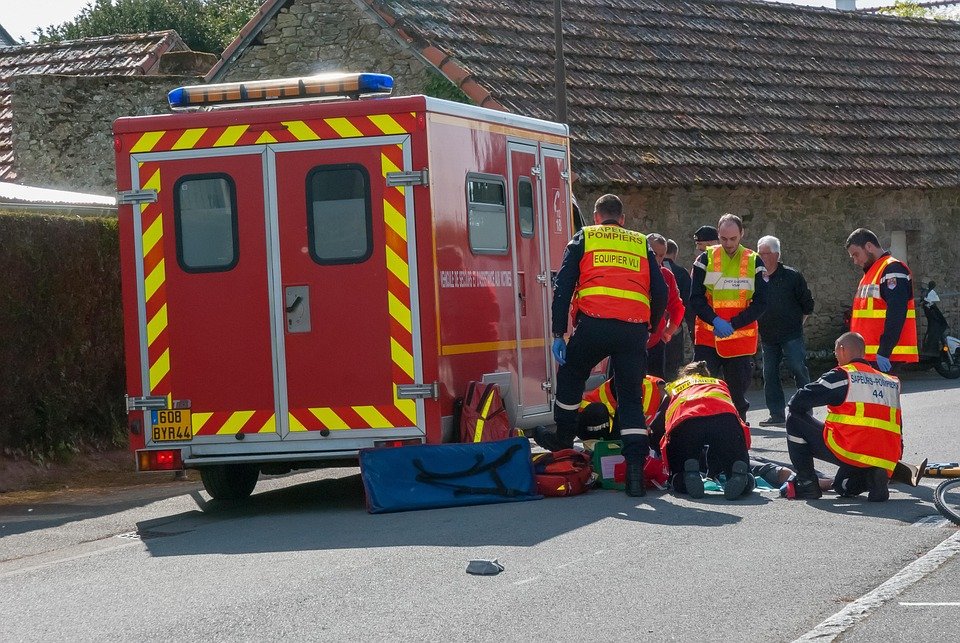
Being prepared for minor injuries and emergencies can significantly improve outcomes in various situations. A well-stocked first aid kit is an essential tool for handling common injuries effectively. Below, we explain the basics of what to include in a first aid kit and how to use these items for minor injuries.
Essential Components of a First Aid Kit
A comprehensive first aid kit should contain a variety of supplies to address common injuries and ailments. Here is a list of the essential components:
- Adhesive Bandages: Different sizes for covering cuts and scrapes.
- Gauze Pads: Recommended for larger wounds to control bleeding.
- Adhesive Tape: Useful for securing gauze pads and dressings.
- Antiseptic Wipes: To clean wounds and prevent infection.
- Antibiotic Ointment: To apply after cleaning wounds.
- Disposable Gloves: For protection when administering first aid.
- Scissors: To cut tape, gauze, or clothing as required.
- Tweezers: Helpful for removing splinters or debris from wounds.
- Cold Packs: To reduce swelling and relieve pain in case of injuries.
- Pain Relievers: Over-the-counter options can help alleviate minor discomfort.
- Emergency Blanket: Provides warmth in case of shock or cold conditions.
- Eye Wash or Saline Solution: For rinsing debris or chemicals from the eyes.
- First Aid Manual: A resource for guidance on how to manage various injuries.
Common Uses for First Aid Supplies
Understanding how to use the items in your first aid kit can make it more effective during an emergency. Here are some basic applications:
- For Cuts and Scrapes: Clean the area with antiseptic wipes, apply antibiotic ointment, and cover with an adhesive bandage.
- For Burns: Cool the burn under running water, gently pat dry, and cover with a sterile gauze pad. Do not apply ice directly.
- For Sprains: Rest the injured area and apply a cold pack. Use gauze or an elastic bandage for compression.
- For Nosebleeds: Pinch the nostrils together and lean forward, then apply an ice pack to the back of the neck.
- For Choking: Encouraging the person to cough can help dislodge an obstruction, but basic first aid training is recommended for more severe cases.
Maintaining Your First Aid Kit
To ensure your first aid kit remains effective, regular maintenance is important. Here are some tips:
- Check the expiration dates on medications and replace them as needed.
- Restock supplies after use to keep the kit ready for future needs.
- Store the kit in a cool, dry place, easily accessible to adults.
- Consider having multiple kits for different locations, such as home, car, and workplace.
Conclusion
A first aid kit is a vital component of preparing for common injuries. By including essential items and understanding their uses, individuals can respond effectively to minor emergencies. Regularly checking and maintaining the kit ensures it remains ready when needed. Always seek professional medical assistance for serious injuries or conditions.






