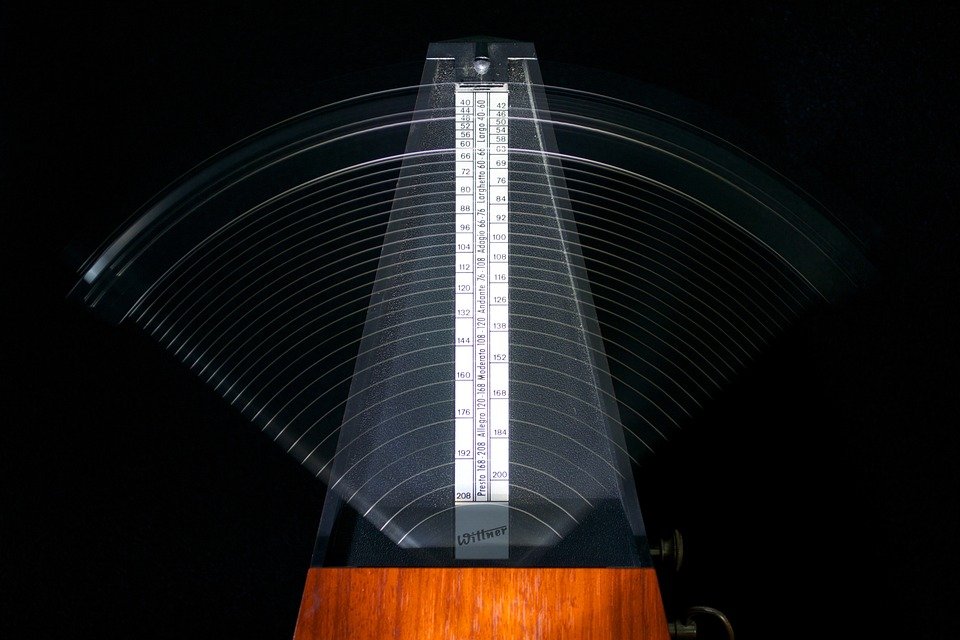
Introduction to Tempo Changes
Tempo, defined as the speed of a musical composition, plays a crucial role in determining the emotional and structural qualities of a piece. Changes in tempo can profoundly influence a performance, not only altering the listener’s perception but also the interpretative choices of the musicians. Throughout music history, various composers and genres have utilized tempo changes to convey specific meanings, create tension, and enhance the overall narrative of the music.
Historical Significance of Tempo Changes
From the Baroque period to modern times, tempo changes have served varying functions:
- Baroque Era: Composers like J.S. Bach often included tempo shifts to demarcate different sections within a cantata or suite, providing contrast and maintaining interest.
- Classical Period: In compositions by Haydn and Mozart, contrasting tempos frequently outline the structure of symphonies and sonatas, highlighting formal elements such as exposition and development.
- Romantic Era: Composers such as Chopin and Tchaikovsky embraced rubato, allowing performers to manipulate tempo expressively, thereby conveying heightened emotions and drama.
- 20th Century and Beyond: Jazz musicians introduced syncopation and unpredictable tempo changes, reflecting spontaneity and improvisation. The fusion of genres led to innovative rhythmic structures, altering traditional notions of tempo.
Types of Tempo Changes
Numerous techniques are utilized to effect tempo changes within musical works:
- Accelerando: A gradual increase in tempo, often employed to build excitement or tension.
- Ritardando: A gradual decrease in tempo, typically used to create a sense of resolution or to highlight an important passage.
- Rubato: A flexible approach to tempo, allowing performers to push and pull the beat for expressive purposes without losing the overall pulse of the music.
- Tempo Giusto: A directive to perform with a strict, steady tempo, emphasizing clarity and precision.
Influence on Musical Interpretation
The incorporation of tempo changes affects how composers’ intentions are realized during performance. Musicians interpret tempo instructions based on numerous factors:
- Emotional Context: Performers interpret tempo shifts through the lens of the emotional narrative, adjusting their approach to evoke specific feelings.
- Historical Practices: Understanding historical performance practices can inform modern interpretations, as many tempo changes were originally nuanced within the context of the time.
- Personal Style: Individual musicians often bring their stylistic preferences into tempo interpretation, allowing for unique and personal expressions of traditional works.
Conclusion
Tempo changes are an essential aspect of musical composition that have evolved over centuries. They serve not only as technical directives but also as powerful tools for emotional expression and narrative development. By understanding tempo changes and their historical significance, both performers and listeners can gain a deeper appreciation for the intricate art of music.