























The Evolution of Visual Storytelling
In the rich tapestry of film history, the principle of “show, don’t tell” serves as a guiding philosophy that transcends eras and styles. This adage, while essential in various narrative forms, found its most expressive roots in the silent film era. Filmmakers during this time relied heavily on visual cues, physical performances, and inventive techniques to convey emotions and narratives without spoken dialogue.
Silent Cinema: A Unique Language
The silent film era, spanning from the late 19th century to the late 1920s, was marked by groundbreaking techniques that prioritized visuals over words. Iconic directors such as Charlie Chaplin, Buster Keaton, and F.W. Murnau not only crafted stories but also formulated a cinematic language that spoke directly through images.
- Visual Composition: Frame composition became a crucial element. Directors utilized depth, symmetry, and contrasting colors to evoke emotional responses, guiding the audience’s gaze and feelings.
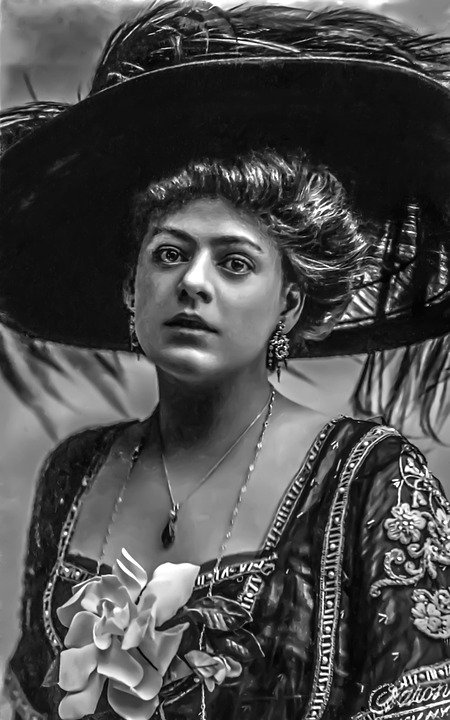
- Physical Storytelling: Actors were trained to express complex emotions using exaggerated gestures and facial expressions, ensuring that viewers could follow the narrative without dialogue.
- Intertitles: While primarily silent, filmmakers employed intertitles sparingly to provide context or advance the plot, ensuring they supplemented rather than overshadowed visual storytelling.
The Influence of German Expressionism
German Expressionism, a movement that gained prominence in the 1920s, showcased the ability of visuals to convey deeper psychological and emotional states. Films like “The Cabinet of Dr. Caligari” directed by Robert Wiene utilized twisted sets, stark contrasts, and shadow play to create an unsettling atmosphere that revealed the inner turmoil of its characters.
- Stylization: The exaggerated sets and lighting in German Expressionist films distorted reality, allowing filmmakers to “show” the characters’ psychological states rather than relying on dialogue.
- Cinematic Techniques: Use of lighting, angles, and editing rhythms became prominent, as seen in the works of directors like Fritz Lang, who pushed boundaries in visual storytelling.
Continuing the Legacy: Modern Applications
Today, while films are predominantly sound-oriented, the artistic principles of silent cinema continue to influence contemporary storytelling. Filmmakers draw from the timeless techniques established by their silent film predecessors, integrating visual storytelling into their works. Directors like Guillermo del Toro and Wes Anderson have been noted for their distinctive visual styles that evoke a narrative without excessive dialogue.
- Visual Metaphors: Modern filmmakers often employ visual metaphors to deepen narrative meaning, mimicking the way silent films relied on imagery to communicate themes.
- Expressive Cinematography: The work of cinematographers, who skillfully craft shots to convey mood and emotion, reflects the influence of early silent film techniques.
The Power of the Unspoken
The essence of the “show, don’t tell” principle remains a pivotal skill in contemporary filmmaking. By mastering visual storytelling, filmmakers can convey complex narratives and emotions, creating an immersive experience that resonates with audiences on a profound level. As cinema continues to evolve, the silent film era offers a treasure trove of techniques and insights, reinforcing the power of the unspoken in a world increasingly reliant on sound.






