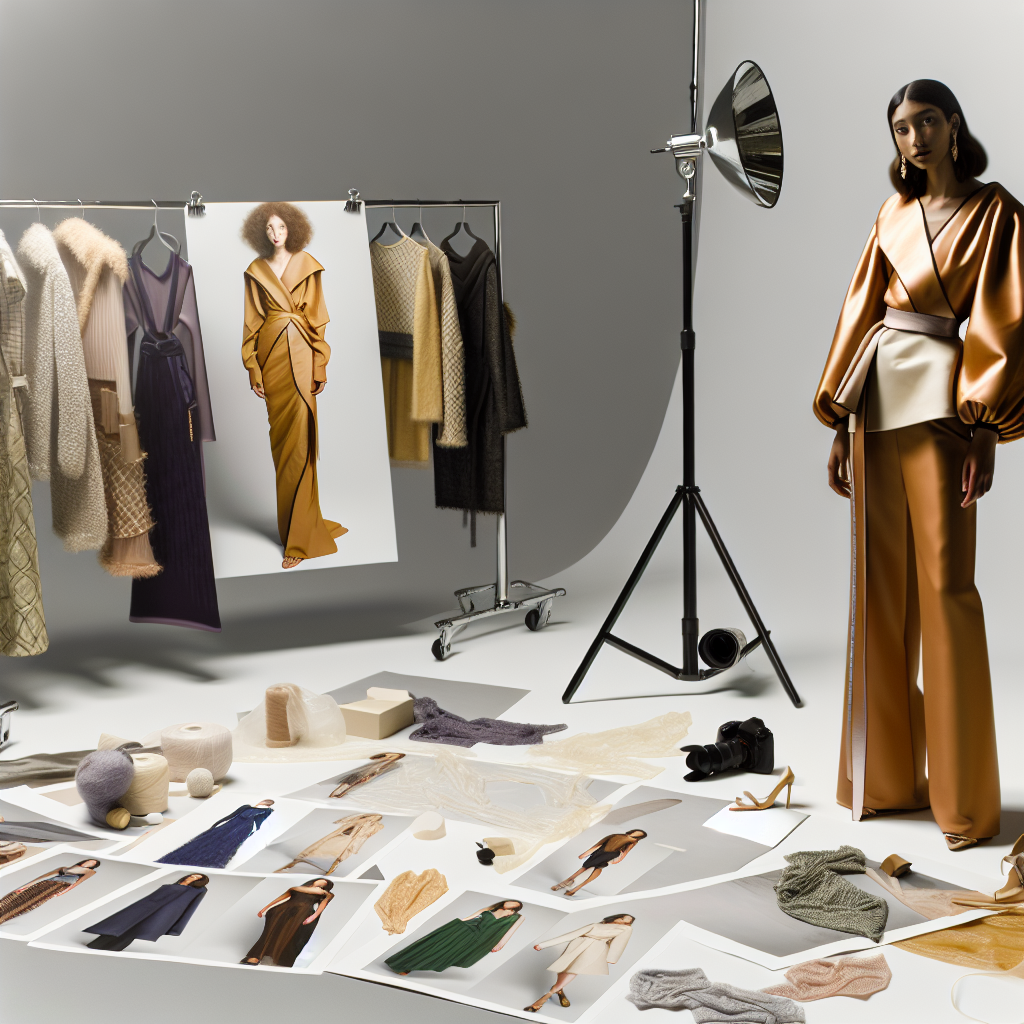
The creative process of fashion design is a complex journey that transforms inspiration into tangible collections. This article explores the stages of conceptualizing a fashion collection, rooted in historical practices and established principles.
1. Inspiration and Research
Every fashion collection begins with inspiration. Designers often draw from various sources, including:
- Nature: The colors, textures, and shapes found in natural landscapes can profoundly influence design.
- Art and Culture: Artistic movements and cultural traditions often inspire fabrics, shapes, and styles.
- History: Historical fashion trends and vintage collections provide a rich reservoir of ideas.
- Personal Experiences: Many designers infuse their personal stories and backgrounds into their work.
Research is critical during this phase. Designers may gather materials, sketches, and images to create a mood board, which visually represents their vision.
2. Concept Development
Once inspiration is solidified, the next step is concept development. This phase involves:
- Theme Identification: Designers choose a central theme that will guide the entire collection. This could revolve around a specific color palette, textile, or cultural backdrop.
- Silhouette Exploration: Determining silhouettes is essential, as they define the overall shape and structure of the garments, influenced by historical references and body shapes.
- Textile Selection: Choosing the right fabrics is crucial. Fabrics should enhance the intended theme and provide both function and aesthetic appeal. Designers often consider materials’ textures, drape, and durability.
3. Sketching and Prototype Development
With a clear concept in mind, designers create initial sketches. This process involves:
- Technical Drawings: Detailed illustrations that show garment construction are essential for communicating design intentions.
- Prototype Creation: Designers may create a sample garment, known as a prototype, to test the fit, fabric behavior, and overall design.
This phase allows designers to visualize how their ideas manifest in physical form, facilitating adjustments before mass production.
4. Feedback and Refinement
It’s essential to gather feedback on prototypes, which can come from:
- Collaboration: Peers, mentors, or textile experts may provide insights that can shape the final designs.
- Focus Groups: Target audiences can offer valuable perspectives on marketability and comfort.
Refinement based on feedback often leads to revisions in design, fabric choice, or construction, ensuring that the collection aligns with both artistic vision and consumer expectations.
5. Production Planning
Once the designs are finalized, production planning commences. This includes:
- Sourcing Materials: Designers must identify and secure high-quality materials for the final collection.
- Manufacturing: Decisions regarding whether to produce locally or overseas can significantly impact both cost and quality.
- Timelines: Setting a timeline for each stage of production ensures that the collection is delivered on schedule.
6. Marketing and Presentation
The final stage of the creative process is the marketing and presentation of the collection. This is where historical approaches to runway shows, lookbooks, and fashion exhibitions become relevant:
- Runway Shows: Iconic designers, such as Chanel and Dior, have historically used runway presentations to create buzz and establish their collections’ themes.
- Lookbooks: They serve as visual guides that showcase the collection, much like an art portfolio, resonating with editors and buyers.
- Social Media and Digital Platforms: In recent years, digital presentations have grown, allowing designers to reach wider audiences.
Throughout history, the fashion industry has seen various transformations, but the foundational creative process remains consistent. From the initial spark of inspiration to the final presentation, each step requires creativity, technical skill, and a deep understanding of fashion principles.