























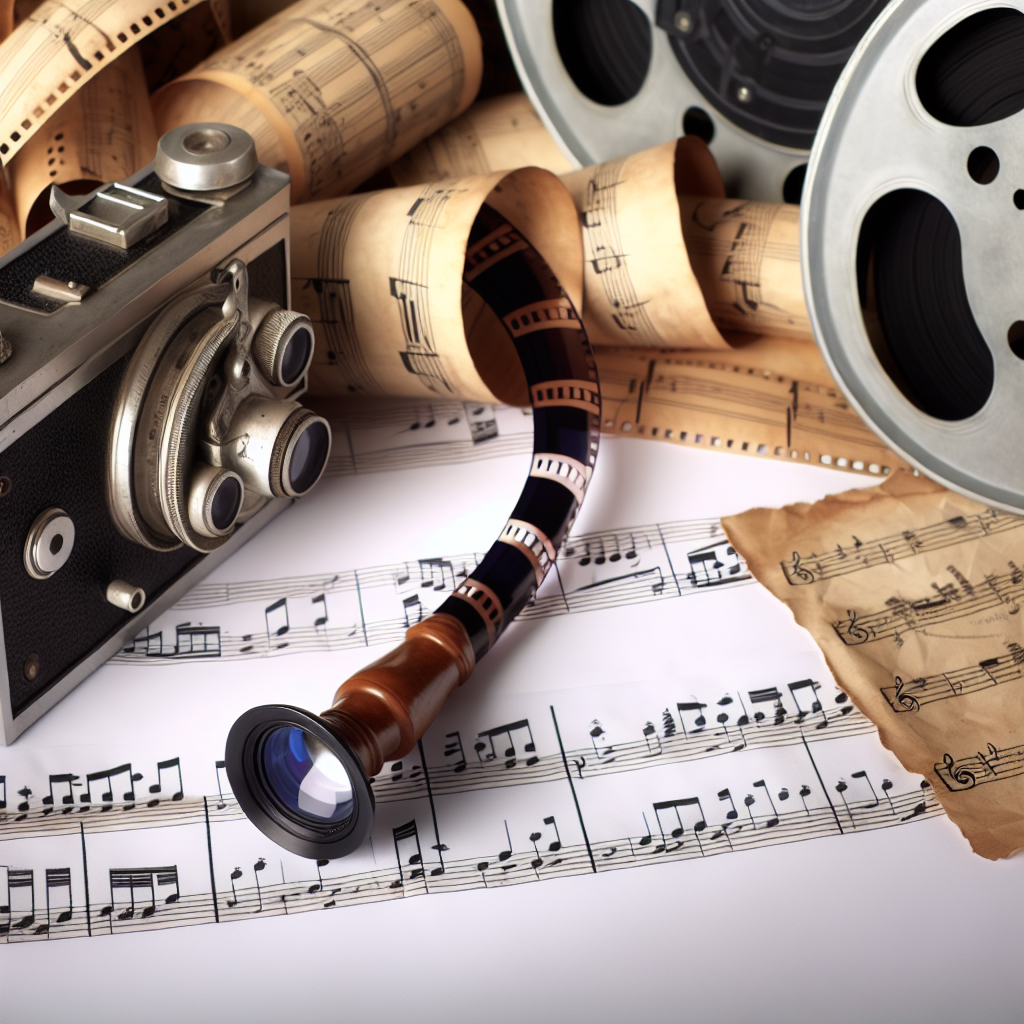
The Role of Music in Early Cinema
From the moment the first moving images flickered onto the screen, music has played a crucial role in shaping the cinematic experience. In the early days of film, scores were not merely accompaniment but a necessary element that enhanced storytelling and emotional engagement. The silent film era marked the beginning of this relationship, as films were often paired with live music performances that varied from location to location.
The Silent Era: Live Accompaniments
During the silent film era (1890s to late 1920s), films were typically screened in theaters with live music. This was a substantial departure from modern cinema, where soundtracks are recorded and integrated during post-production. Musicians would often improvise to match the action on screen, providing a unique performance for each screening.
- Presentations: Piano solos were common, often complemented by small orchestras or ensembles.
- Sheet Music: Some theaters used standardized scores, but variations existed based on the performer’s skill and the emotional tone of the film.
- Emotional Guidance: Music helped convey narrative emotions, moving audiences from laughter to tears without a single spoken word.
The Advent of Sound: Talkies and Their Impact
The 1927 release of “The Jazz Singer,” often cited as the first synchronized sound film or “talkie,” revolutionized the industry. This marked a major transition where music began to be recorded alongside film, allowing for more intricate and polished scores.
- Synchronized Sound: Musical numbers became integral to the storytelling, with songs often advancing the plot.
- Famous Composers: Composers like Max Steiner and Erich Wolfgang Korngold emerged, creating lush orchestral scores that would become the foundation of film music.
- Genre Expansion: Music began to diversify across genres, influencing the development of musicals, dramas, and comedies.
The Golden Age of Hollywood: Compositional Mastery
The 1930s to 1950s is often considered the “Golden Age” of Hollywood, a period in which film scores reached new heights of creativity and complexity. During this era, the industry’s reliance on music for storytelling became more pronounced.
- Enhanced Orchestration: Films like “Gone with the Wind” (1939) exemplified the use of expansive orchestration and thematic development.
- Emotional Resonance: Scores became heavily thematic, with motifs assigned to specific characters or ideas, enriching viewers’ emotional engagement.
- Cultural Integration: Musical influences from various cultures began to be integrated into film scores, reflecting a broader spectrum of storytelling.
The Rise of Electronic and Experimental Scores
The late 20th century saw significant shifts in how music was composed and used in film. With advancements in technology came new opportunities for innovation.
- Electronic Music: Composers like Vangelis and Hans Zimmer utilized synthesizers, creating iconic scores that redefined genre, as seen in “Blade Runner” (1982).
- Minimalism and Ambience: Influenced by movements in classical music, scores began embracing minimalism, with composers like Philip Glass contributing to the form.
- Collaboration with Artists: Films increasingly featured songs from popular artists, bridging the gap between mainstream music and film scores.
Conclusion: Music as a Storytelling Device
The evolution of film scores illustrates the integral role of music in cinema. From live accompaniments in silent theaters to the sophisticated orchestrations of today, music has consistently shaped the emotional landscape of film. As technology and cultural contexts continue to evolve, so too will the relationship between film and its musical heartbeat, ensuring that soundtracks remain an essential part of the storytelling experience.






