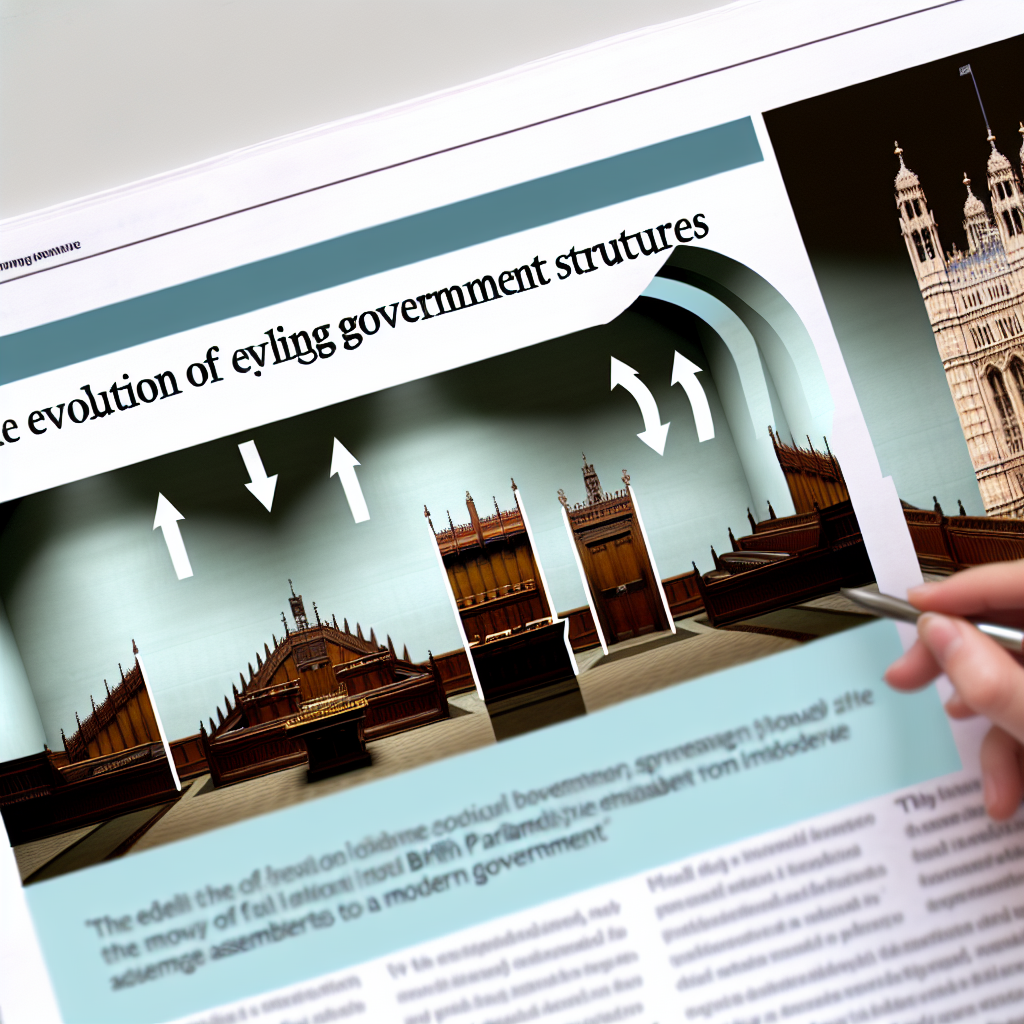
The British Parliament is one of the oldest and most significant legislative bodies in the world. Its evolution over centuries reflects changes in governance, society, and political thought. This article explores the transformation of the British Parliament from medieval assemblies to a modern representative government.
Medieval Assemblies
The roots of the British Parliament can be traced back to the early medieval period. During the 12th and 13th centuries, kings would summon nobles and clergy to discuss matters of governance, taxation, and legislation. These gatherings were often referred to as councils or assemblies.
- The Great Council: The precursor to Parliament, this assembly of the king’s advisors helped shape early governmental decisions.
- The Magna Carta (1215): This landmark document established the principle that the king was not above the law, leading to greater input from the nobility on governance.
The Formation of Parliament
The formal establishment of Parliament began in the 13th century. The traditional model of royal and noble consort expanded to include representatives from towns and regions, reflecting the growing importance of the common people in governance.
- The Model Parliament (1295): Convened by King Edward I, it included knights, burgesses, and clergy, setting a precedent for future parliamentary structure.
- Development of the House of Commons: By the late 14th century, the House of Commons emerged as a distinct entity, representing the interests of common citizens.
The Tudor and Stuart Periods
During the Tudor and Stuart periods (1485-1714), the power dynamics between the monarchy and Parliament evolved significantly.
- The English Civil War (1642-1651): Conflicts between Parliament and royal authority culminated in a civil war, eventually leading to the temporary establishment of a republican government under Oliver Cromwell.
- The Glorious Revolution (1688): This event marked the overthrow of King James II and the establishment of constitutional monarchy, wherein Parliament gained greater control over the monarchy.
The 18th and 19th Centuries
The 18th and 19th centuries saw the further maturation of the British parliamentary system, characterized by a growing emphasis on representation and reform.
- Reform Acts: Beginning in the early 19th century, a series of Reform Acts expanded the electorate and reformed electoral practices, making Parliament increasingly representative of the populace.
- The Role of Political Parties: The establishment of political parties began to shape parliamentary behavior and organization, with the emergence of the Whigs and Tories evolving into the modern Liberal and Conservative parties.
The Modern Era
In the 20th century, the British Parliament further solidified its role as a cornerstone of democracy in the UK.
- Universal Suffrage: By the mid-20th century, voting rights were extended to all citizens, regardless of gender or social class, reinforcing the democratic nature of Parliament.
- Devolution: The late 20th century saw the establishment of devolved legislatures in Scotland, Wales, and Northern Ireland, leading to a more complex and multi-layered governance structure.
Conclusion
The British Parliament has undergone significant transformations from its medieval origins to a modern democratic institution. It has adapted to social, political, and economic changes, embodying principles of representation and accountability. As one of the enduring institutions of British governance, it continues to play a vital role in shaping the nation’s laws and policies.