























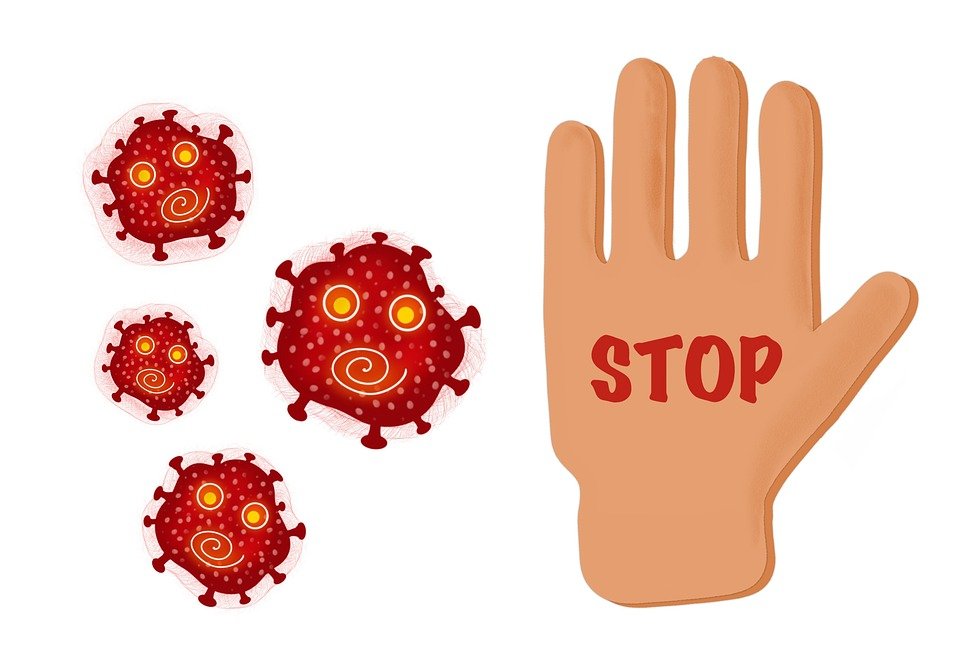
The Global Impact of Good Hygiene: Handwashing as a Shield Against Disease
Good hygiene practices play a vital role in maintaining public health and preventing the spread of diseases. Among these practices, handwashing is one of the simplest yet most effective methods to safeguard oneself and others from illness. This article explores the significance of handwashing and its impact on global health.
The Importance of Handwashing
Handwashing with soap and water is a fundamental practice that helps remove dirt, bacteria, viruses, and other pathogens from the hands. When hands are properly washed, the risk of transferring harmful microorganisms to oneself or others is significantly reduced.
How Handwashing Works
- Mechanical Action: The friction created while scrubbing hands helps dislodge germs from the skin surface.
- Soap Interaction: Soap molecules bind to both water and oils on the skin, allowing dirt and germs to be more easily rinsed away.
- Water Rinse: Rinsing with clean water removes the dislodged germs and dirt.
Benefits of Regular Handwashing
- Reduction of Disease Transmission: Handwashing can significantly decrease the transmission of respiratory and gastrointestinal illnesses.
- Protection for Vulnerable Populations: Children, the elderly, and those with compromised immune systems are particularly susceptible to infections, making handwashing crucial for their protection.
- Promotion of Healthy Communities: When handwashing becomes a norm, communities experience lower rates of illness, which can contribute to increased productivity and quality of life.
When to Wash Your Hands
To maximize the effectiveness of handwashing, it is essential to do so at critical times, including:
- Before preparing and consuming food
- After using the toilet
- After coughing, sneezing, or wiping the nose
- Before and after caring for someone who is ill
Encouraging Good Hygiene Practices
Global health organizations advocate for increased awareness and education about the importance of handwashing. Initiatives may include:
- Community programs to teach proper handwashing techniques
- Access to clean water and soap in both urban and rural areas
- Incorporating hand hygiene education into school curriculums
Conclusion
Handwashing is a simple yet powerful tool in the fight against disease. By adopting good hygiene practices like regular handwashing, individuals can contribute not only to their health but also to the well-being of their communities. Prioritizing hand hygiene today can lead to a healthier future for everyone.






