























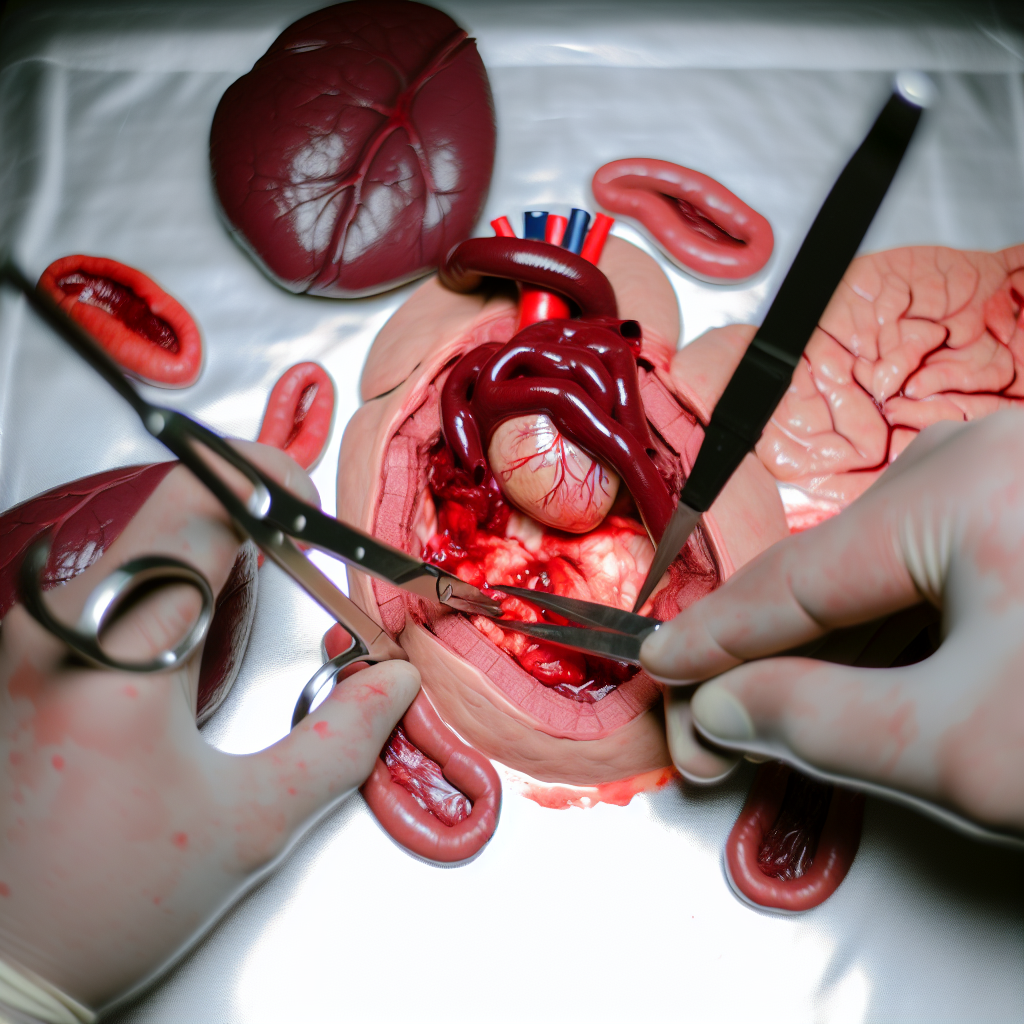
The human cardiovascular system is essential for sustaining life by transporting blood throughout the body. This intricate system not only delivers vital nutrients and oxygen to cells but also aids in removing waste products. Understanding the journey of blood through the cardiovascular system can help us appreciate its role in overall health.
The Components of the Cardiovascular System
The cardiovascular system comprises the heart, blood vessels, and blood. Each component plays a crucial role in ensuring effective circulation:
- Heart: The heart is a muscular organ divided into four chambers: the left and right atria and the left and right ventricles. It functions as a pump to push blood throughout the body.
- Blood Vessels: These include arteries, veins, and capillaries. Arteries carry oxygen-rich blood away from the heart, while veins return oxygen-poor blood back to the heart. Capillaries are small vessels where the exchange of gases, nutrients, and wastes occurs.
- Blood: Blood is a fluid that transports oxygen, nutrients, hormones, and waste products. It consists of red blood cells, white blood cells, platelets, and plasma.
The Circulation Process
The journey of blood can be understood in two main circuits: the pulmonary circuit and the systemic circuit.
Pulmonary Circuit
The pulmonary circuit is responsible for the exchange of gases. Here’s how it works:
- Deoxygenated blood returns to the right atrium of the heart from the body.
- Blood is then pumped into the right ventricle, which sends it through the pulmonary arteries to the lungs.
- In the lungs, carbon dioxide is exchanged for oxygen.
- Oxygen-rich blood flows back to the left atrium of the heart via the pulmonary veins.
Systemic Circuit
The systemic circuit delivers oxygen and nutrients to the body. The process includes the following steps:
- The left atrium receives oxygenated blood from the lungs and sends it to the left ventricle.
- The left ventricle pumps this oxygen-rich blood into the aorta, the body’s main artery.
- From the aorta, blood travels through a network of arteries, arterioles, and capillaries, reaching all body tissues.
- As blood passes through capillaries, nutrients and oxygen are delivered to cells, while waste products are collected.
- Deoxygenated blood returns to the heart through veins, completing the circuit.
The Importance of a Healthy Cardiovascular System
A well-functioning cardiovascular system is vital for maintaining good health. Here are some basic wellness practices to support cardiovascular health:
- Regular Exercise: Engaging in physical activity strengthens the heart and improves circulation.
- Balanced Diet: Consuming a variety of fruits, vegetables, whole grains, lean proteins, and healthy fats supports overall cardiovascular function.
- Adequate Hydration: Maintaining proper hydration helps ensure efficient blood flow and nutrient transport.
- Avoiding Tobacco: Steering clear of tobacco products contributes significantly to cardiovascular well-being.
In summary, the cardiovascular system plays a pivotal role in sustaining life by circulating blood throughout the body. Understanding this system highlights the importance of maintaining its health through regular exercise, a balanced diet, hydration, and avoiding harmful substances.






