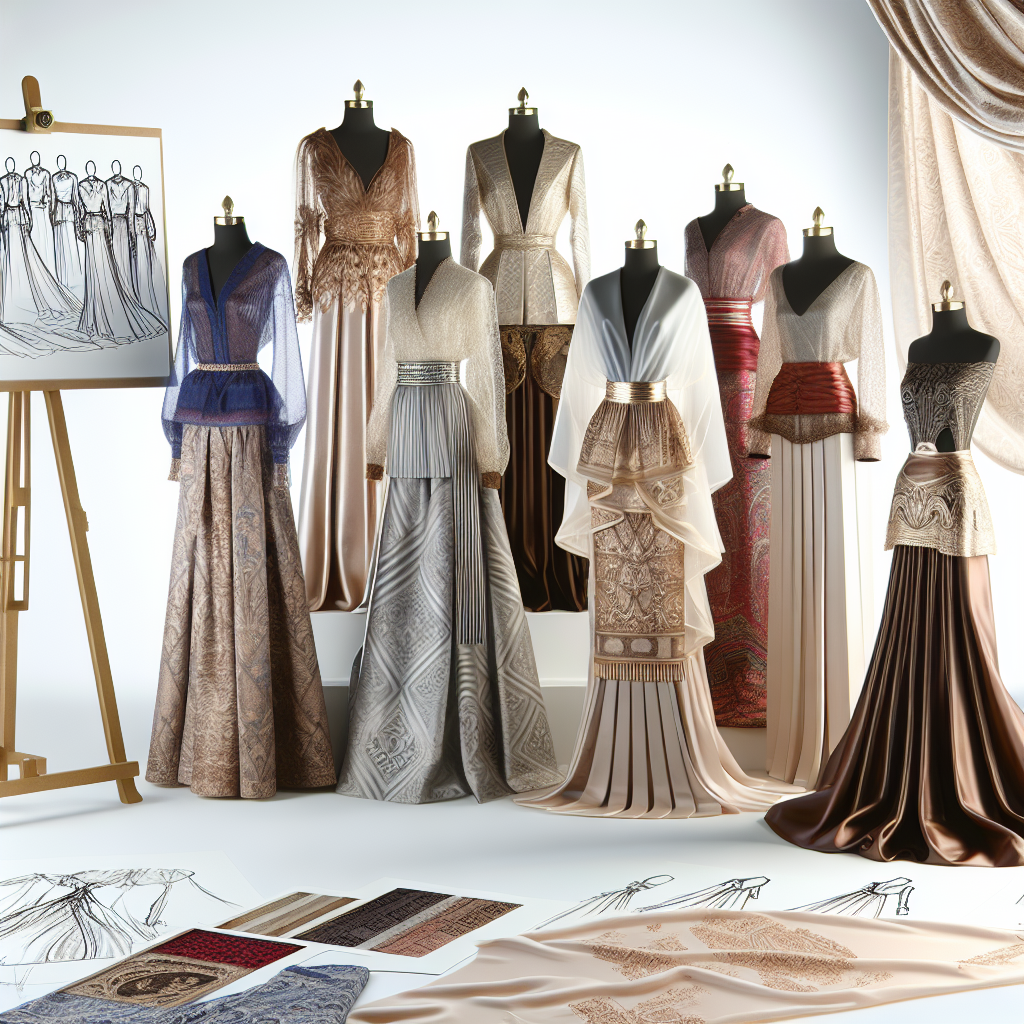
Haute couture represents the epitome of luxury fashion, characterized by exquisite craftsmanship and attention to detail. Its origins are deeply rooted in the history of fashion, reflecting societal changes, technological advancements, and artistic expression through textiles and design.
The Birth of Haute Couture
The term “haute couture” translates to “high sewing” in French. Its origins can be traced back to the mid-19th century, when English designer Charles Frederick Worth is credited with laying the foundational principles of this elite fashion segment. In 1858, Worth established the first haute couture house in Paris, creating designs that were both innovative and tailored to the individual client’s preferences.
The Role of the Couture House
Couture houses emerged as exclusive fashion destinations where the affluent could commission bespoke garments. Key features of these establishments included:
- Customization: Each piece was made specifically for a client, ensuring a perfect fit and a reflection of personal style.
- Quality Materials: Haute couture garments were fashioned from the finest fabrics, including silk, lace, and taffeta, enhancing both aesthetics and durability.
- Master Craftsmanship: A team of skilled artisans employed techniques such as hand-sewing, embroidery, and draping to create intricate designs.
Evolution Through the Decades
Haute couture evolved significantly throughout the 20th century, influenced by historical events, art movements, and changing fashion philosophies.
- 1920s: The flapper movement introduced revolutionary designs that emphasized youth and freedom, as seen in the work of designers like Coco Chanel.
- 1940s-50s: Christian Dior’s “New Look,” characterized by a cinched waist and full skirts, reinvented femininity post-World War II and marked a resurgence for haute couture.
- 1960s: The space race and cultural upheaval led to the emergence of daring designs, illustrated by Balenciaga’s bold silhouettes and the rise of ready-to-wear as a competing segment.
- 1980s: With designers such as Jean-Paul Gaultier and Vivienne Westwood, haute couture embraced avant-garde styles, often celebrating punk influences and cultural statements.
The Contemporary Haute Couture Scene
Today, while haute couture maintains its exclusivity and tradition, it has also adapted to embrace modernity. The Fédération de la Haute Couture et de la Mode oversees the calendar and standards for collections, which are presented biannually during Paris Fashion Week. This ensures that haute couture remains relevant while honoring its rich history.
The Importance of Haute Couture
Haute couture serves not only as a luxury label for the elite but also as a platform for creative expression, innovation, and the preservation of textile arts. The lasting influence of haute couture can be observed in:
- Fashion Trends: Numerous contemporary designers draw inspiration from classic couture techniques in ready-to-wear lines.
- Cultural Impact: Haute couture continues to push boundaries, inspiring discussions about beauty, identity, and sustainability in fashion.
- Educational Value: Haute couture institutions provide training for emerging designers, ensuring the transmission of skills and knowledge essential for the craft.
In conclusion, the journey of haute couture from its origins to the present day highlights not only the evolution of fashion but also the artistry that surrounds it. Its legacy continues to influence the industry, serving as a reminder of the meticulous craftsmanship and creativity that define the world of fashion.