























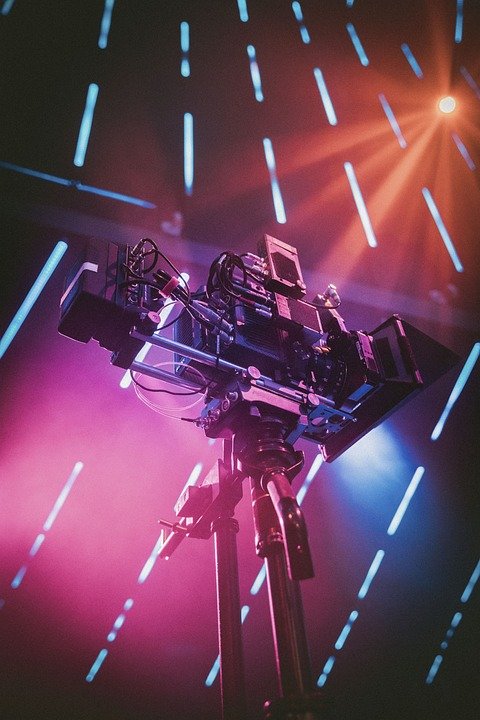
The Role of Lighting in Film
Lighting is a crucial element in film that extends beyond mere visibility; it embodies a tool for emotional resonance and storytelling. Since the inception of cinema, directors have leveraged lighting to craft atmospheres, guide audience attention, and evoke specific emotional responses. From the chiaroscuro techniques of early cinema to modern lighting styles, the psychological effects of lighting play a pivotal role in how stories are perceived.
Historical Context
In the silent film era, lighting was often used to convey emotion and action in the absence of dialogue. Directors like D.W. Griffith employed high-contrast lighting to manipulate audience perceptions. His 1916 film “Intolerance” showcased complex lighting techniques that influenced narrative clarity and emotional depth.
Lighting Techniques
Various lighting techniques have helped shape the psychological landscape of films:
- High-Key Lighting: Primarily used in comedies and musicals, this technique features bright, even light. It creates an upbeat and cheerful atmosphere, encouraging a sense of joy and optimism.
- Low-Key Lighting: Common in film noir and horror genres, low-key lighting relies on shadows and contrast to generate tension and mystery. Directors like Alfred Hitchcock effectively used this to amplify suspense.
- Natural Lighting: While often seen in dramas and romantic films, natural lighting creates a sense of realism. This approach invites viewers to empathize with characters on a deeper, more relatable level.
The Psychological Impact on Genres
Different genres utilize lighting in unique ways to affect audience emotions:
Horror
In horror films, lighting is instrumental in building suspense. For instance, the use of shadows in classics like “Nosferatu” (1922) heightens fear and uncertainty. The dimly lit scenes lead the audience into the unknown, amplifying the psychological thrills that linger in dark corners.
Romance
Conversely, romance films often employ soft, warm lighting to evoke tenderness and intimacy. In films like “Casablanca” (1942), the use of diffused light creates a dreamy atmosphere that facilitates emotional connection between characters. The soft shadows enhance the warmth of the scenes, inviting viewers to feel the romance.
Drama
In dramatic narratives, lighting can underline character development and emotional arcs. The dramatic use of spotlighting in films like “The Godfather” (1972) emphasizes key moments and character decisions, establishing a connection with the audience that is deeply psychological.
Influential Directors and Their Approaches
Many directors have mastered the art of lighting, using it to create unforgettable cinematic moments:
- Orson Welles: In “Citizen Kane” (1941), Welles utilized deep shadows and innovative lighting techniques to explore themes of isolation and power.
- Federico Fellini: Known for his surreal, dreamlike visuals, Fellini used lighting to convey emotion and subtext in films like “8½” (1963), illustrating the psychological complexities of his characters.
- Tim Burton: His distinct visual style often incorporates stark lighting contrasts, as seen in “Edward Scissorhands” (1990), to elicit whimsical yet eerie emotional responses.
Conclusion
Lighting in film extends far beyond aesthetics; it is a psychological instrument that shapes how stories are told and received. The careful manipulation of light can evoke a range of emotions—from fear to love—impacting the viewer’s experience significantly. Understanding the historical context and techniques of lighting not only enriches our appreciation of film but also highlights the intricate relationship between imagery and emotion in storytelling.






