The Timeless Role of Accessories: Elevating Outfits Through History
Accessories have played a pivotal role in fashion history, serving not only as additions to outfits but also as expressions of personal style and cultural significance. From ancient civilizations to modern catwalks, accessories have provided a unique window into the social and economic conditions of their times.
Historical Perspectives on Accessories
Throughout history, various forms of accessories have transcended mere functionality to become symbols of prestige, identity, and innovation.
- Ancient Egypt: Jewel-encrusted amulets and elaborate headdresses highlighted status and protection.
- The Renaissance: Accessories such as gloves, collars, and ornate jewelry showcased wealth and craftsmanship.
- The Victorian Era: The use of brooches and parasols not only offered practicality but also conveyed social messaging about femininity and fashion.
- The Roaring ’20s: Cloche hats and statement jewelry like long strands of pearls epitomized modernity and social liberation.
Function Meets Fashion
In addition to their historical roles, accessories serve practical purposes that enhance outfits:
- Belts: Originally utilitarian, they evolved into style statements that define the waistline and add structure to silhouettes.
- Handbags: Once merely for carrying essentials, bags have transformed into fashion staples that communicate personal style and status.
- Scarves: Versatile and functional, they can add layers of style, warmth, or color to an outfit.
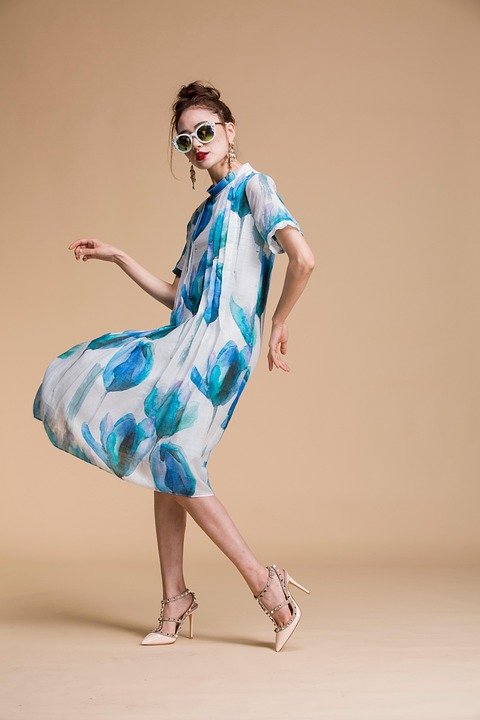
- Sunglasses: Combining protection with style, they have become a quintessential accessory that exudes glamour and sophistication.
The Influence of Designers
Prominent fashion designers have utilized accessories to redefine and elevate their collections:
- Chanel: Coco Chanel revolutionized accessories, introducing pieces such as the quilted handbag and statement pearls that became icons of elegance and simplicity.
- Dior: Christian Dior emphasized structured accessories, complementing his ‘New Look’ with wide-brimmed hats and cinched belts that celebrated femininity.
- Alexander McQueen: Known for avant-garde designs, his accessory collections pushed boundaries, often incorporating themes of nature and mortality to provoke thought and discussion.
Contemporary Styles and Cultural Impact
In today’s global fashion landscape, accessories continue to reflect cultural identity and personal expression. They serve as tools for self-assertion and creativity:
- Statement Pieces: Large earrings and bold necklaces enable individuals to express creativity and make a statement.
- Sustainable Fashion: The rise of eco-friendly materials and upcycled accessories highlights a growing commitment to sustainability in fashion.
- Cultural Celebrations: Accessories like turbans, bindis, and kimonos celebrate cultural heritage and foster appreciation for global diversity.
Conclusion
The evolution of accessories throughout history showcases their ability to transform not only individual outfits but also cultural narratives. They remain integral in defining style, providing expression, and enhancing the human experience through fashion. As we continue to explore new ways to adorn ourselves, the timeless role of accessories will undoubtedly remain relevant and essential in the fashion world.