









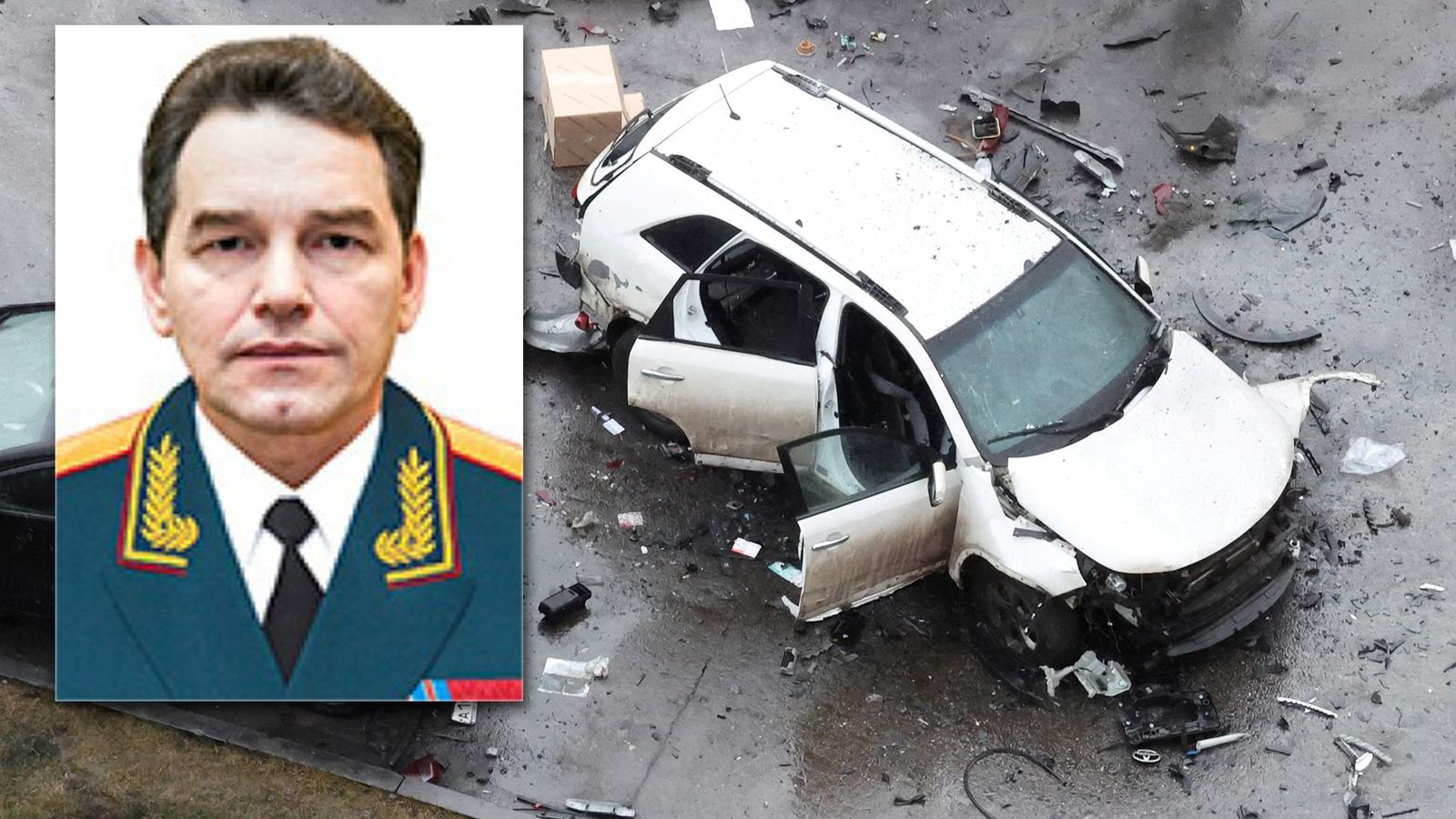
Assassination of Russian General Highlights Instability Amid Ukraine Conflict
Lieutenant General Fanil Sarvarov, a prominent figure in the Russian military, was killed in a car bomb explosion outside his residence, situated just over 10 miles from the Kremlin. This incident marks yet another high-profile assassination linked to the ongoing fallout from Russia’s invasion of Ukraine.
The Incident
Sarvarov, who overseen the operational training within the general staff, had a notable military history, serving in conflict zones such as Chechnya and Syria. His death is part of a growing trend of targeted attacks against senior Russian military personnel, which have garnered increasing attention in the wake of the Ukraine conflict.
Claims of Responsibility
Though no group has yet claimed responsibility for this latest incident, Russian authorities suspect that Ukraine may be involved. Ukraine has previously executed similar attacks, including a notable assassination last year when they claimed responsibility for the death of Lieutenant General Igor Kirillov. Kirillov was killed by a bomb concealed in a scooter outside his apartment, an event Putin described as a significant lapse on the part of Russian security forces.
Previous Attacks
This incident isn’t isolated; other high-ranking officers have met similar fates recently. In April, another Russian lieutenant general, Yaroslav Moskalik, was killed by a car bomb near Moscow. Additionally, an attack in Siberia two months ago claimed the life of a commander linked to alleged war crimes.
Motivation Behind Targeting Generals
It remains unclear why Sarvarov was selected for this attack, but analysts speculate it might be connected to his seniority and perceived vulnerabilities. Such assassinations serve not only as direct attacks but also as means for Ukraine to diminish Moscow’s credibility and influence, particularly in light of ongoing diplomatic engagements.
Context of the Attack
The timing of this assassination is notable, occurring shortly after peace discussions between U.S. and Russian officials in Miami. These meetings featured Kremlin envoy Kirill Dmitriev and American negotiators, including prominent figures like Jared Kushner. By carrying out such attacks, Ukraine appears to be seeking to disrupt Moscow’s narrative during negotiations, demonstrating that the Kremlin’s control is far from absolute.
Broader Implications
The Kremlin is reportedly attempting to persuade the U.S. government that a Russian victory is likely and that continued support for Ukraine would be futile. Opposing this narrative, Ukraine aims to affirm its resilience by showcasing such high-profile military setbacks for Russia. This strategy not only signals to Washington that Moscow may be struggling but also serves to maintain international solidarity with Ukraine.
Background
Since the invasion of Ukraine, there has been a noticeable increase in targeted actions against Russian military officials, reflecting the intensifying stakes of the conflict. Previous assassinations of generals have underscored vulnerabilities within the Russian military establishment and have acted as psychological operations to influence internal and external perceptions of the war.
The national—and indeed global—impact of such events cannot be understated as they continue to shape the geopolitical landscape amidst ongoing strife in the region.
Source: Original Article