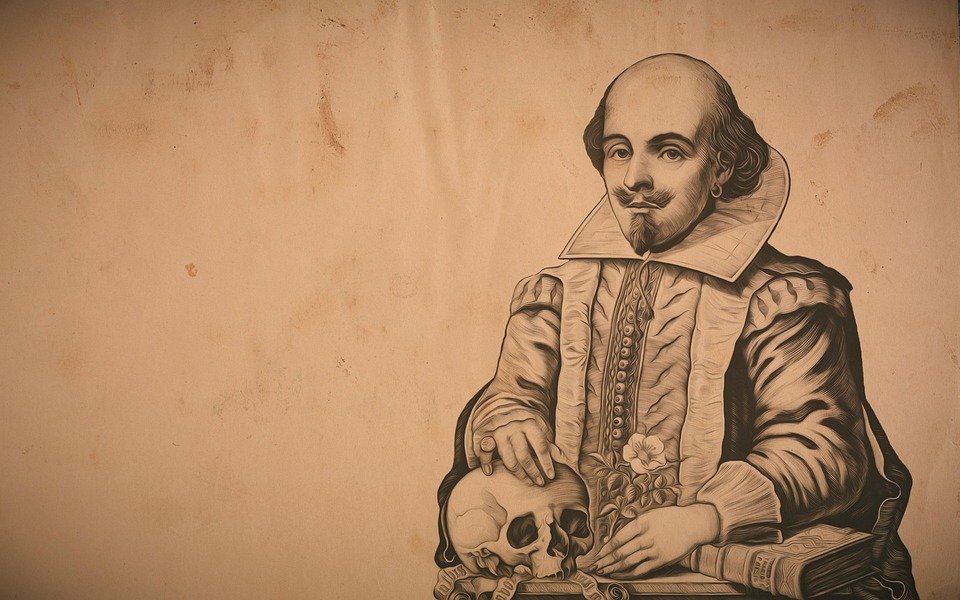
Fashion illustration has been a significant medium for understanding the evolution of style and culture. Since the Renaissance, this art form has not only reflected societal changes but has also played a pivotal role in the fashion industry. Here, we trace the history of fashion illustration from the Renaissance to the present, highlighting key periods, techniques, and influences.
The Renaissance (14th – 17th Century)
The Renaissance marked a flourishing of arts and culture in Europe. As fashion became intertwined with identity and social status, illustrations began to document the garments worn by the elite. Artists like Albrecht Dürer showcased elaborate clothing designs through detailed engravings.
- Emphasis on realism and anatomical accuracy.
- Incorporation of textiles such as brocades and velvets into compositions.
- Fashion plates emerged, starting to influence public taste.
The 18th Century: Rococo and Beyond
During the 18th century, fashion illustration flourished alongside the Rococo style. Lavish costumes and elaborate hairstyles became the norm. Artists like François Boucher and Jean-Antoine Watteau depicted the opulence of the aristocracy through their illustrations.
- Fashion plates were popularly published, notably in magazines for the upper class.
- Shift in focus from everyday wear to high fashion.
- Influence of theatrical design and elaborate costume in illustrations.
The 19th Century: Romanticism to Industrial Revolution
The 19th century witnessed dramatic changes with the advent of the Industrial Revolution. Fashion illustration adapted, with artists like Paul Poiret and Charles Dana Gibson modernizing the approach to garment design.
- Introduction of lithography allowed for mass production of illustrations.
- Emergence of the ‘Gibson Girl’ as an icon of the period.
- Illustration became a powerful form of advertising for fashion houses.
The Early 20th Century: Art Nouveau and the Rise of Haute Couture
The early 20th century was characterized by the rise of Haute Couture, leading to notable advancements in fashion illustration. Iconic designers like Coco Chanel and Christian Dior started to collaborate with illustrators to promote their creations.
- Development of stylized illustrations reflecting modernism.
- Use of color and dynamic lines influenced by Art Nouveau.
- Illustration became an essential tool for marketing and showcasing new collections.
The Mid 20th Century: Post-War Glamour
Post-World War II saw a surge in fashion illustration as designers like Christian Dior redefined femininity with the New Look. Illustrators such as René Gruau added a dramatic flair to fashion plates, creating visually striking images that captured the era’s glamour.
- Increased use of watercolor and ink for a softer aesthetic.
- Fashion magazines became the primary platform for illustration.
- Illustrators collaborated closely with magazines such as Vogue and Harper’s Bazaar.
The Late 20th Century: The Digital Revolution
The late 20th century saw a transition as fashion illustration encountered digital technology. While traditional methods remained prevalent, artists began experimenting with digital tools to reach broader audiences.
- Emergence of new styles influenced by street fashion and subcultures.
- The rise of the internet provided platforms for emerging illustrators.
- Fashion illustration diversified, blending traditional techniques with modern aesthetics.
The 21st Century: A Fusion of Styles
In the 21st century, fashion illustration continues to evolve, drawing on historical influences while embracing contemporary styles. The art form now includes a blend of hand-drawn and digital techniques.
- Illustration on social media platforms has reshaped how fashion is perceived.
- Revival of vintage styles informs modern illustrations.
- Collaboration between illustrators and designers has become commonplace, redefining creative processes.
From its humble beginnings in the Renaissance to its current status as a vital part of the fashion industry, fashion illustration reflects not only the garments of the times but also the cultural shifts that shape how we perceive style. The journey of this art form remains a captivating narrative of creativity and innovation.