








Trump’s Assertions on Venezuela Hint at Underlying Motives
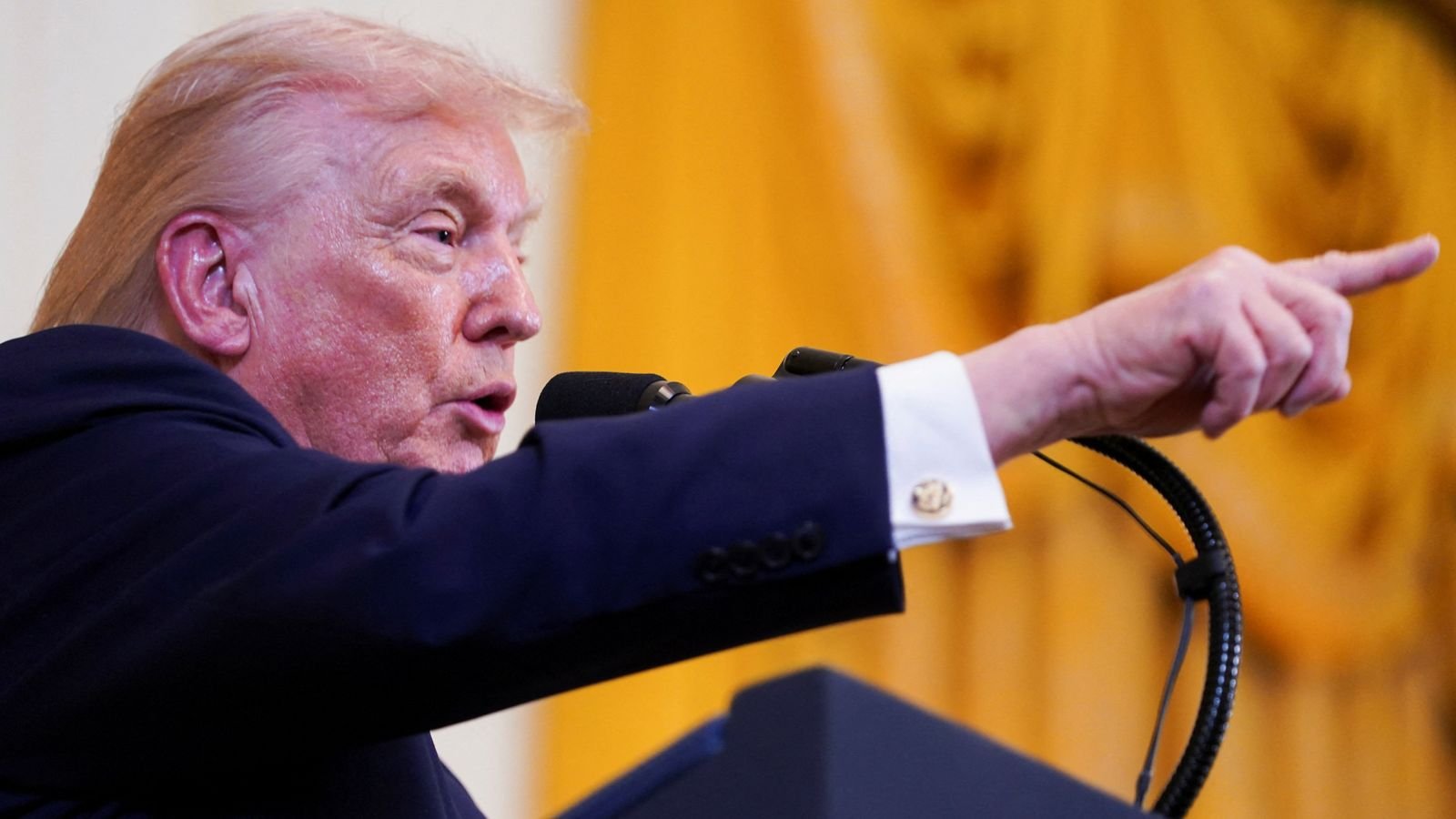
Donald Trump recently articulated his thoughts regarding the U.S. military presence near Venezuela, suggesting that the situation extends beyond mere anti-drug operations to encompass regime change and oil control. His social media remarks indicate a significant shift in focus towards asserting American interests in the region, stirring speculation about U.S. intentions.
The Current Military Situation
In a social media post, President Trump noted, “Venezuela is completely surrounded by the largest Armada ever assembled in the History of South America.” This comment highlights the substantial naval and aerial U.S. forces stationed in the Caribbean in proximity to Venezuela. Dubbed an ‘armada’, this military fleet has been present for an extended period, raising concerns and curiosity regarding its purpose.
Officially, the U.S. claims the military presence is tied to an anti-drug mission aimed at combating the drug trade originating from Venezuela. Recent military actions, including missile and drone strikes against suspected drug boats, have been framed within this narrative. However, Trump’s subsequent statements suggest a deeper motivation.
Revelations Beyond Anti-Drug Operations
Trump’s commentary seems to unveil a perspective that many observers have long suspected—that the military operations may actually be aimed at destabilising the Venezuelan regime under Nicolás Maduro. He articulated that U.S. military forces would remain until “Venezuela returns to the United States all of the Oil, Land, and other Assets that they previously stole from us.” This statement underscores an apparent focus on Venezuela’s oil reserves, which historically have been of great interest to the U.S.
Historical Context of U.S.-Venezuela Relations
The relationship between the U.S. and Venezuela has been fraught, especially since the early 2000s when President Hugo Chávez nationalised oil assets previously held by American companies. As a result, U.S. firms that once benefited from this lucrative enterprise found themselves excluded, which has lingered in the background of U.S. foreign policy towards the region.
Implications for U.S. Strategy
Trump’s recent statements reveal a threefold ambition regarding Venezuela:
- To oust the Maduro government and install a more compliant leadership;
- To regain control over Venezuelan oil through business partnerships;
- To curtail drug and human trafficking operations into the United States.
This evolving narrative around U.S. military involvement in Venezuela raises significant questions about the future direction of American foreign policy in the Western Hemisphere. The implications could reverberate beyond Latin America, impacting global energy markets and international relations.
Conclusion
As Trump’s statements bring underlying U.S. motivations to the forefront, it sets the stage for increased scrutiny of American actions in Venezuela. With tensions rising, observers will be keen to monitor how this situation unfolds and what it may mean for the future of U.S.-Venezuela relations.
Background
The situation in Venezuela has deteriorated significantly over the last decade, leading to widespread poverty and migration crises. The U.S. has maintained sanctions against the Maduro regime, which it labels as illegitimate. This backdrop makes Trump’s recent assertions particularly noteworthy as they signal a possible escalation in U.S. involvement in Venezuelan affairs.
Source: Original Article