























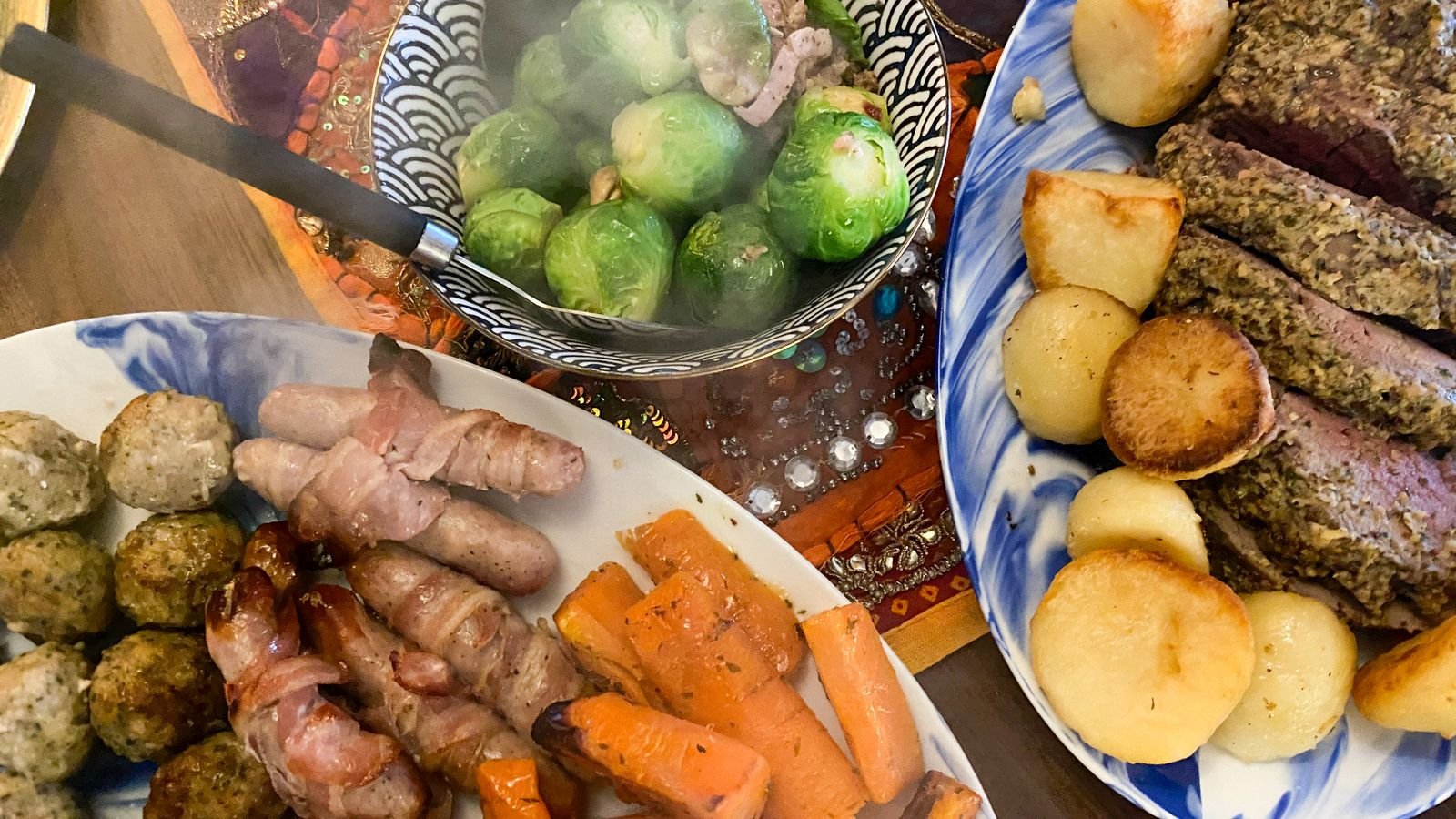
Christmas Dinner Costs Decline in 2024
Figures from industry analysts indicate that the price of a traditional Christmas dinner will see a slight decrease this year compared to last. The average cost of the festive turkey dinner is now £32.46, reflecting a minor reduction largely due to lower prices for key ingredients.
Price Trends in Christmas Dinner Components
The notable price drop can be attributed primarily to a decrease in the cost of frozen turkeys, which now average £13.52, marking a 3.6% reduction from 2024. Additionally, parsnips are now priced at 71p, which reflects a modest decline of 0.4%.
In comparison, last year’s festive meal, which included various staples such as cranberry sauce, stuffing mix, and potatoes, cost £32.57.
Consumer Spending Insights
Recent data reveals that promotional sales are playing an increasingly significant role, now representing 31.2% of retail spending, a rise from 30% the previous year. This trend underscores the growing affinity among shoppers for premium own-brand products, which have gained traction in recent months.
Economic Context
Despite the decrease in specific food prices, grocery inflation remains a concern, holding steady at 4.7% as of the end of November, significantly above the overall inflation rate of 3.6%. Retail data from the British Retail Consortium has also indicated that consumer spending is slowing in anticipation of budgetary changes.
Analysts from Pantheon Macroeconomics have suggested that ongoing speculation regarding potential tax increases has dampened economic activity. Additionally, November’s unusual levels of rainfall, amounting to 131% of the average for the month, have likely contributed to reduced spending in the lead-up to the holiday season.
Importance of the Christmas Trading Period
The weeks leading up to Christmas are vital for retailers, as this period accounts for a significant portion of their annual revenue. As businesses navigate these changes in consumer behaviour and pricing dynamics, their performance will be closely monitored.
The Treasury has been approached for comments regarding these findings.
Background
This year’s price adjustments come in the wake of a challenging economic landscape marked by fluctuating inflation rates and consumer sentiment. These changes are indicative of broader trends within the UK’s retail sector as it adapts to shifting consumer priorities and economic pressures.
Source: Original Article






