Drinks Industry Faces Price Increases After Duty Rise
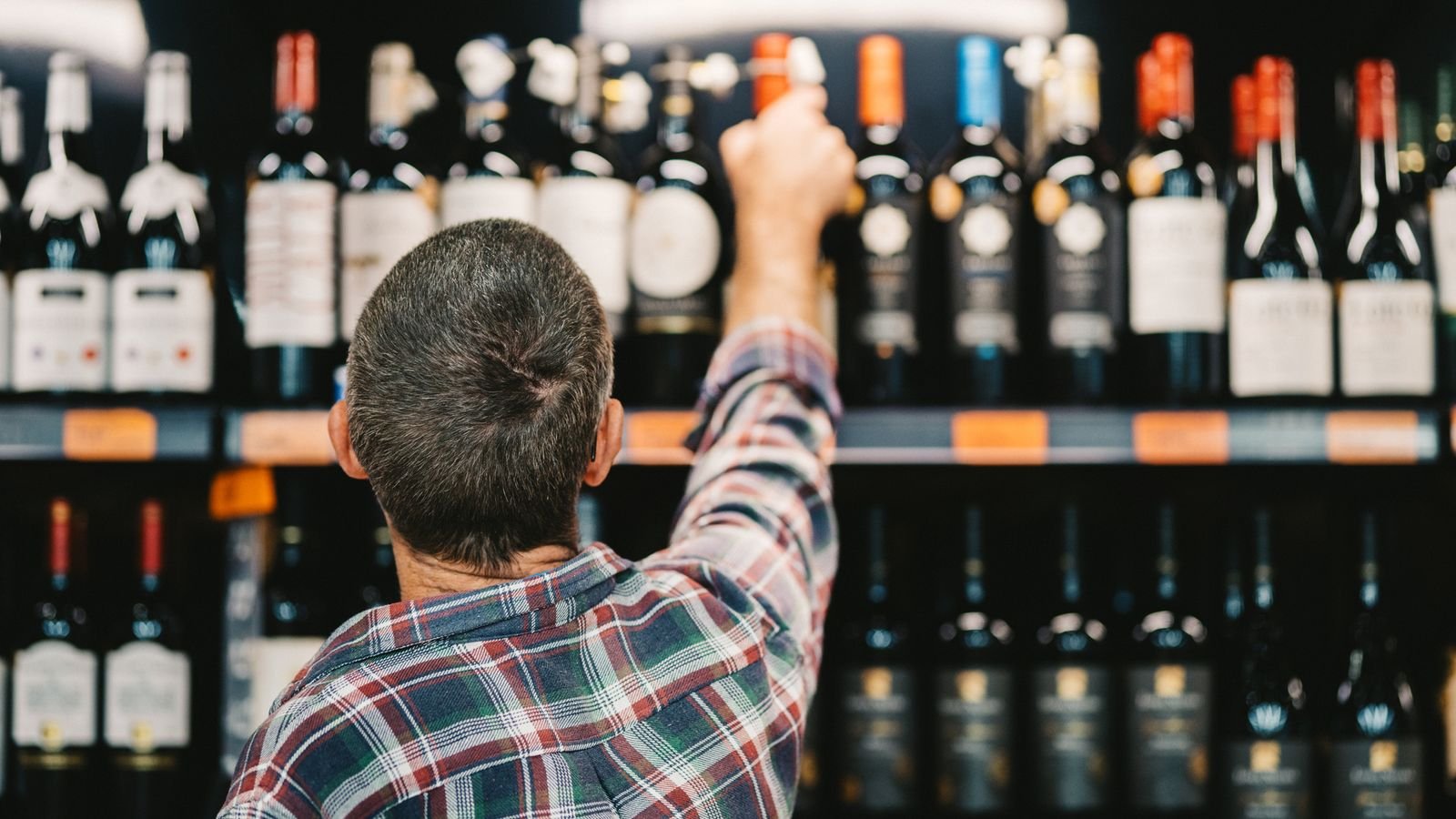
The UK’s drinks industry has signalled that consumers can expect higher prices following a recent increase in alcohol duty. The change, announced by Chancellor Rachel Reeves as part of November’s autumn budget, will see a tax rise of 3.66%, effective from Sunday.
Details of the Duty Increase
The new tax rates will apply to a variety of alcoholic beverages, impacting manufacturers who are likely to pass on the added costs to shoppers. Official figures indicate that the duty on a standard bottle of gin (with an alcohol content of 37.5% ABV) will rise by 38p, bringing the total to £8.98, including VAT. Similarly, a bottle of Scotch whisky at 40% ABV will see an increase of 39p, resulting in a new price of £9.51. Red wine at 14.5% ABV will incur an additional 14p charge.
The Wine and Spirit Trade Association (WSTA) highlighted that the duty on red wine has already escalated by £1.10 per bottle since the last duty system was instituted in August 2023. Meanwhile, representatives for the British Beer and Pub Association have forecast a potential increase of 2p on the price of a pub pint, contributing to an overall £130 million rise in industry costs.
Industry Concerns
Industry leaders express grave concerns regarding the impact of these tax increases. Emma McClarkin, Chief Executive of the British Beer and Pub Association, noted that brewers are already grappling with extremely tight profit margins. She warned that further price hikes could be a consequence of these new duty regulations, which are the highest in Europe.
Miles Beale, CEO of the WSTA, stressed that the complexities associated with the price adjustments, particularly regarding wine taxation which varies by strength, would add unnecessary administrative burdens to businesses. Coupled with escalating costs including national insurance, business rates, and packaging taxes, the likelihood of price increases for consumers remains high.
Calls for Change
The UK Spirits Alliance has formally requested Chancellor Reeves to reconsider what they describe as “spirits discrimination” in duty taxation, advocating for a more balanced long-term approach to taxes on alcoholic beverages. Notably, the duty varies significantly depending on a drink’s alcohol content; for instance, beverages with an alcohol strength below 3.5% ABV are subject to much lower duties. Some brands, like Foster’s, have opted to lower their strength to mitigate costly tax implications.
Government’s Position
A spokesperson for the Treasury affirmed the importance of alcohol duty, asserting that it plays a vital role in maintaining public finances and funding essential services that citizens depend on daily.
Background
This increase in alcohol duty comes amid ongoing discussions about the sustainability of the UK’s drinks sector, which has faced various challenges in recent years, including rising operational costs and changing consumer preferences. As the cost of living in the UK continues to rise, the forthcoming adjustments to alcohol prices may exacerbate existing financial pressures on both businesses and consumers.
Source: Original Article