























Concerns Raised Over Military Health Screening After Toxic Exposure in Iraq
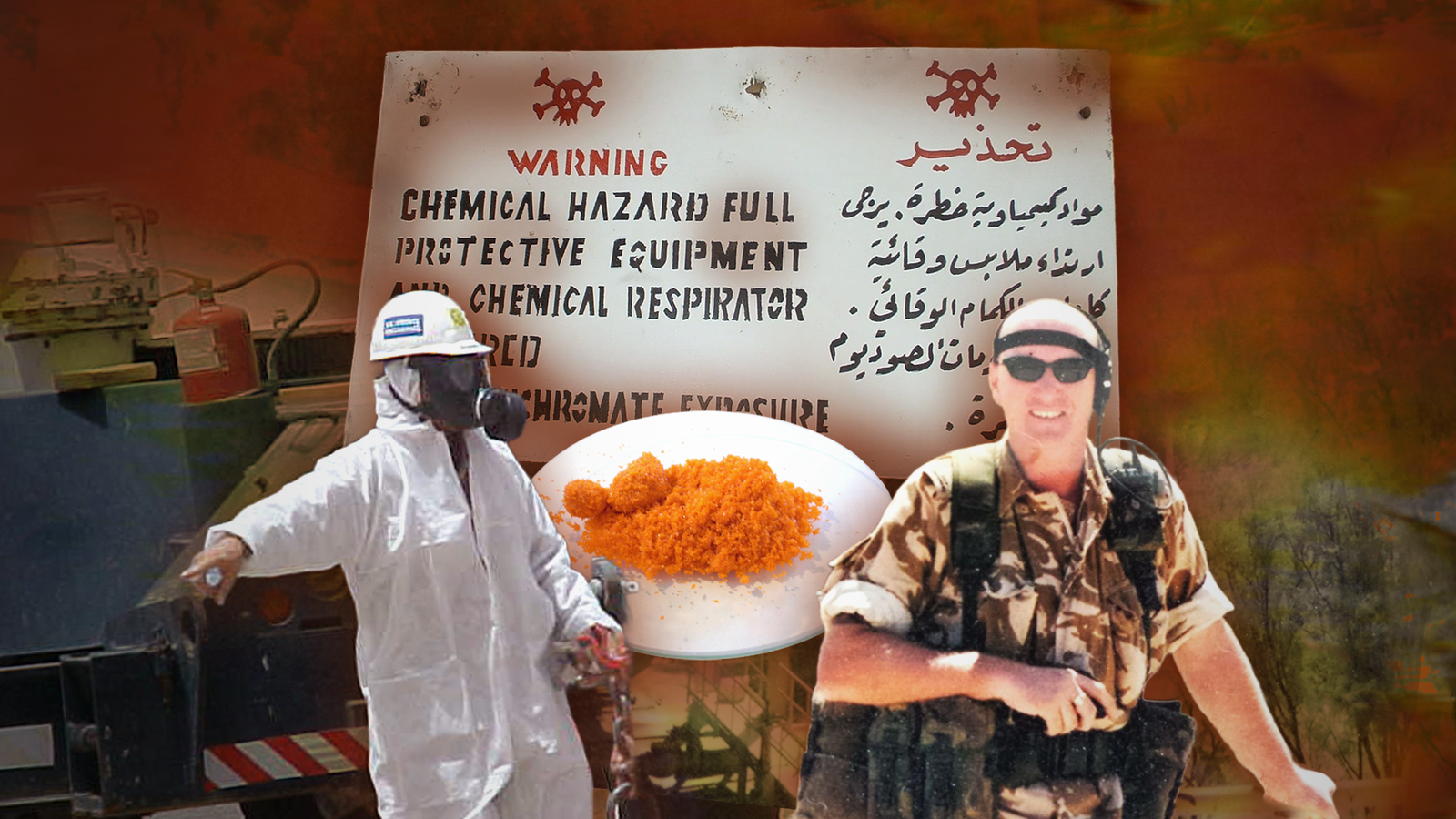
Veterans from the Royal Air Force (RAF) who served in Iraq claim they were not provided with necessary biological screenings after encountering a dangerous toxin at the Qarmat Ali water treatment plant two decades ago. Despite official recommendations for such screenings, testimonies reveal a worrying lack of support for soldiers exposed to the hazardous chemical sodium dichromate.
Health Problems Linked to Toxic Exposure
In 2003, British personnel deployed to the Qarmat Ali facility faced severe health issues, with reports of cancers, tumours, and skin ailments surfacing in the years following their return. The site was heavily contaminated with sodium dichromate, a known carcinogen, raising serious questions about the military’s handling of the situation.
An internal document from the RAF’s health services noted the risks associated with sodium dichromate and advised that personnel should undergo biological screening. Yet, interviews conducted with 15 veterans revealed that none were offered screening or ongoing healthcare despite the documented risks.
Experiences of Veterans
Many veterans are now grappling with significant health challenges, with some referring to their uncertain futures as a “ticking time bomb.” For instance, veterans like Pete Lewis, who has undergone multiple cancer-related surgeries, express frustration over the military’s inadequate response to their exposure risks.
“I’ve had so many lumps taken out of my neck, one on my face,” Lewis lamented. His experience symbolizes the ongoing struggle faced by many veterans, raising critical concerns regarding the support and transparency provided by the Ministry of Defence (MoD).
Conflicting Accounts from the Ministry of Defence
While the MoD asserts that medical screenings were available at the time, veterans are raising significant doubts about these claims. The ministry has consistently declined to provide an apology or conduct an inquiry regarding the exposure to toxins, leading to a growing sense of betrayal among former servicemen.
The lack of a formal investigation into the matter contrasts sharply with the support offered to U.S. veterans, who were also deployed to Qarmat Ali. Following the death of Lieutenant-Colonel James Gentry in 2009, U.S. veterans received recognition of their toxic exposure and support from the Department of Veterans Affairs.
Long-term Health Risks and Insufficient Acknowledgment
The exposure to sodium dichromate at Qarmat Ali has raised long-term health concerns, with some veterans experiencing distressing symptoms that they attribute to their time at the site. An RAF letter from 2003 acknowledges the carcinogenic nature of sodium dichromate and outlines the necessity for personnel to be identified and medically monitored.
However, Sky News has uncovered that despite the RAF’s awareness of the health risks, no follow-up screenings were conducted for the veterans who served at Qarmat Ali, leaving them to manage potential lifelong health consequences without adequate support.
Call for Action
Recent dialogue between veterans and political figures has underscored a plea for recognition and investigation into their experiences. Veterans and their advocates are calling for a formal inquiry and assertive action from the current government to address the injustices faced over the past two decades.
As the health concerns of these veterans unfold, the narrative presents broader implications for how military personnel are treated post-service, emphasizing the need for accountability and support in addressing the long-term effects of hazardous military environments.
Background
The deployment of British troops to Iraq in 2003 raised a host of issues regarding health and safety protocols, particularly in relation to environmental hazards. As military operations often require personnel to navigate hazardous sites, the question of adequate health screening and follow-up care remains critical.
Past incidents, including those involving the Gulf War Syndrome, have shown a pattern of inadequate support for veterans suffering from health complications post-deployment. The situation at Qarmat Ali has renewed calls for comprehensive reviews of how military officials manage health risks associated with toxic exposures.
Source: Original Article






