Introduction to Bluetooth Technology
Bluetooth technology is a widely used standard for short-range wireless communication between devices. It enables seamless connections among various electronic devices without the need for cumbersome cables. Developed in the late 1990s, Bluetooth has evolved into a foundational technology for numerous applications in personal and professional settings.
How Bluetooth Works
Bluetooth operates using radio waves in the 2.4 GHz ISM (Industrial, Scientific, and Medical) band. It employs a master-slave architecture where one device acts as the master to control the connection, while the other devices are slaves. This setup allows efficient communication between devices under various conditions.
Key Features of Bluetooth
- Range: Typically, Bluetooth has a range of approximately 10 meters (33 feet) depending on the class of the device.
- Low Power Consumption: Bluetooth was designed with energy efficiency in mind, making it ideal for battery-operated devices.
- Data Transfer Rates: Bluetooth supports varying data transfer rates, with basic rates around 1 megabit per second (Mbps) and enhanced data rates allowing for higher speeds.
- Device Pairing: A secure connection is established through a pairing process that may involve entering or confirming a code.
- Multiple Connections: Bluetooth technology can enable multiple devices to connect to a single master device, allowing for versatile networking options.
Bluetooth Profiles
Bluetooth technology includes various profiles that define the possible applications and types of data that can be exchanged between devices. Some common profiles include:
- A2DP (Advanced Audio Distribution Profile): Used for streaming high-quality audio from one device to another.
- HFP (Hands-Free Profile): Used for enabling wireless communication in hands-free headsets and car kits.
- SPP (Serial Port Profile): Emulates serial cable connections, facilitating communication between devices like laptops and printers.
Applications of Bluetooth Technology
Bluetooth is prevalent in various applications, including:
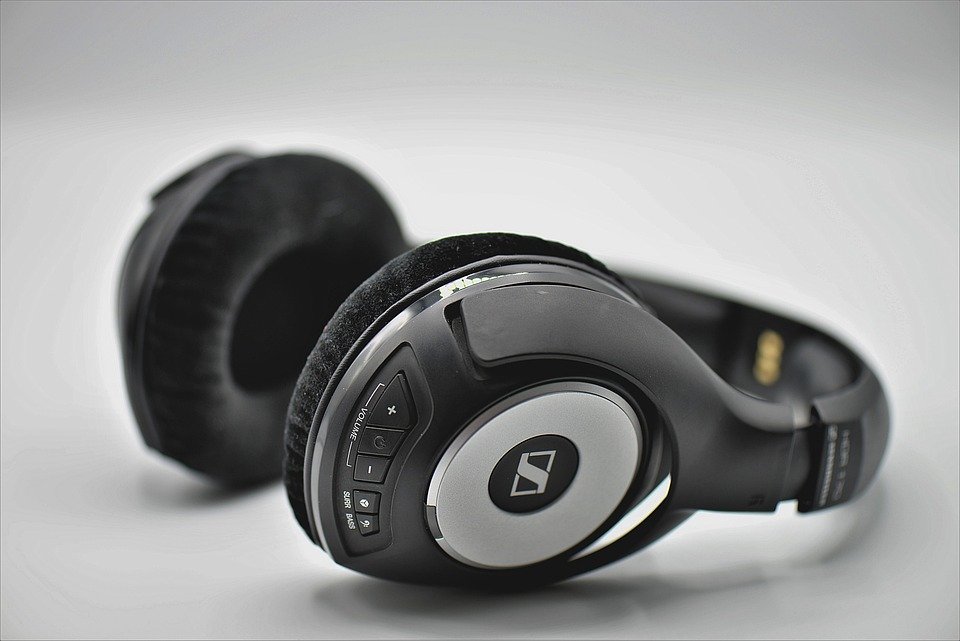
- Audio Streaming: Devices like wireless headphones, speakers, and car audio systems utilize Bluetooth for transmitting sound.
- Data Transfer: Bluetooth facilitates the sharing of files, contacts, and data between smartphones, tablets, and computers.
- Health Devices: Wearable fitness trackers and smartwatches often use Bluetooth to sync data with smartphones and apps.
- Smart Home Devices: Bluetooth is integral in connecting devices such as smart locks, lights, and thermostats, allowing users to control them remotely.
Security in Bluetooth Communication
Security is a critical component of Bluetooth technology. It employs several methods to ensure secure communication, including:
- Authentication: Devices may require authentication to establish a connection, ensuring that only authorized devices can communicate.
- Encryption: Data transmitted via Bluetooth can be encrypted to protect it from interception during transmission.
- Hiding Visibility: Bluetooth devices can be set to “invisible” mode to prevent unsolicited connection requests.
Conclusion
Bluetooth technology offers a versatile and efficient means of wireless communication, connecting millions of devices globally. Its practical applications, robust security features, and continuous evolution make it a pivotal element in the rapidly advancing world of technology. Understanding the principles of Bluetooth allows users to take full advantage of its capabilities in everyday life.