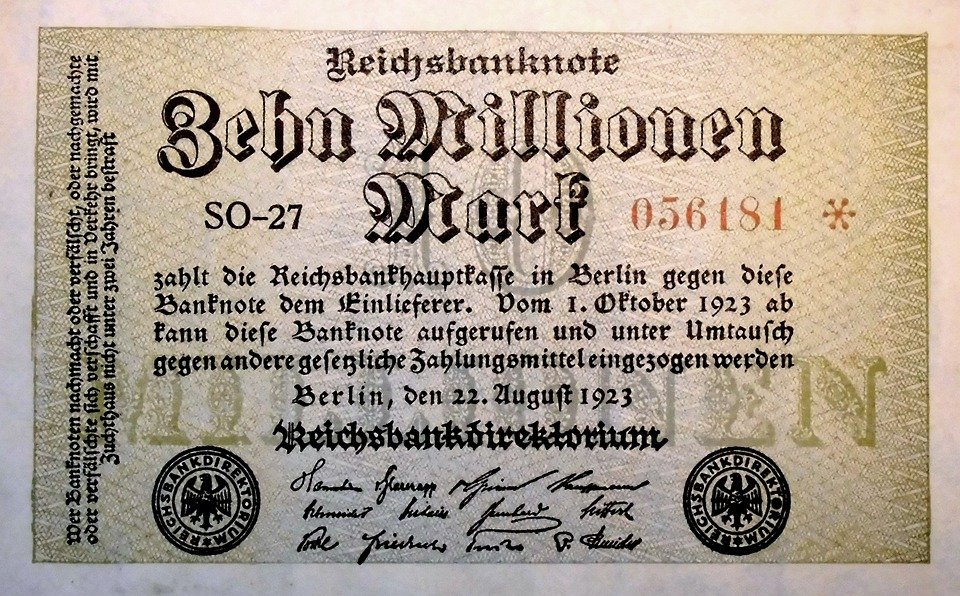
Inflation is a critical economic phenomenon that impacts the pricing strategies of businesses across various sectors. Understanding inflation and its effects on pricing can help companies maintain profitability, stay competitive, and respond to changing market conditions.
What is Inflation?
Inflation refers to the general increase in prices and fall in the purchasing value of money. It is typically measured by the Consumer Price Index (CPI) or the Producer Price Index (PPI). A moderate level of inflation is normal in a growing economy, but high inflation can create uncertainty for both consumers and businesses.
How Inflation Affects Pricing Strategies
The relationship between inflation and pricing strategies is multifaceted. Companies must consider various factors when adjusting their prices in response to inflationary pressures. Here are a few key considerations:
- Cost of Goods Sold (COGS): As the cost of raw materials, labor, and transportation increase, businesses must evaluate how these rising costs will affect their product pricing.
- Consumer Demand: During periods of inflation, consumer purchasing power declines, which may lead to changes in demand for certain products. Companies often conduct market research to gauge how price-sensitive their customers are.
- Competitive Landscape: In an inflationary environment, competitors may adjust their prices, requiring businesses to strategically position their pricing to maintain market share.
- Value Perception: Companies must effectively communicate the value of their products and justify price increases to customers. Brands with strong reputations, like Apple, often command higher prices due to perceived value.
Strategies for Successful Pricing in Inflationary Times
Successful companies adopt various pricing strategies to navigate inflation effectively. Here are some common approaches:
- Cost-Plus Pricing: This straightforward method involves calculating the total cost of producing a product and adding a markup to ensure a profit margin. This approach allows companies to pass on increased costs directly to consumers.
- Dynamic Pricing: Businesses can adjust prices in real-time based on market demand and supply conditions. This strategy is commonly used by companies like Amazon, which frequently alters prices to match competitors and consumer behavior.
- Bundling Products: Similar to strategies employed by companies like Microsoft, bundling products can create perceived value, allowing businesses to maintain price points while providing added value to consumers.
- Price Lock Guarantees: Some companies offer price locks for a defined period, which can provide consumers with certainty and loyalty while allowing the company to manage long-term pricing.
Conclusion
Understanding inflation and its implications for pricing strategies is essential for any business seeking long-term success. By carefully analyzing market conditions and consumer behavior, companies can implement effective pricing strategies to navigate inflation, maintain profitability, and foster customer loyalty. This proactive approach to pricing not only supports a company’s financial health but also positions it competitively in the marketplace.