























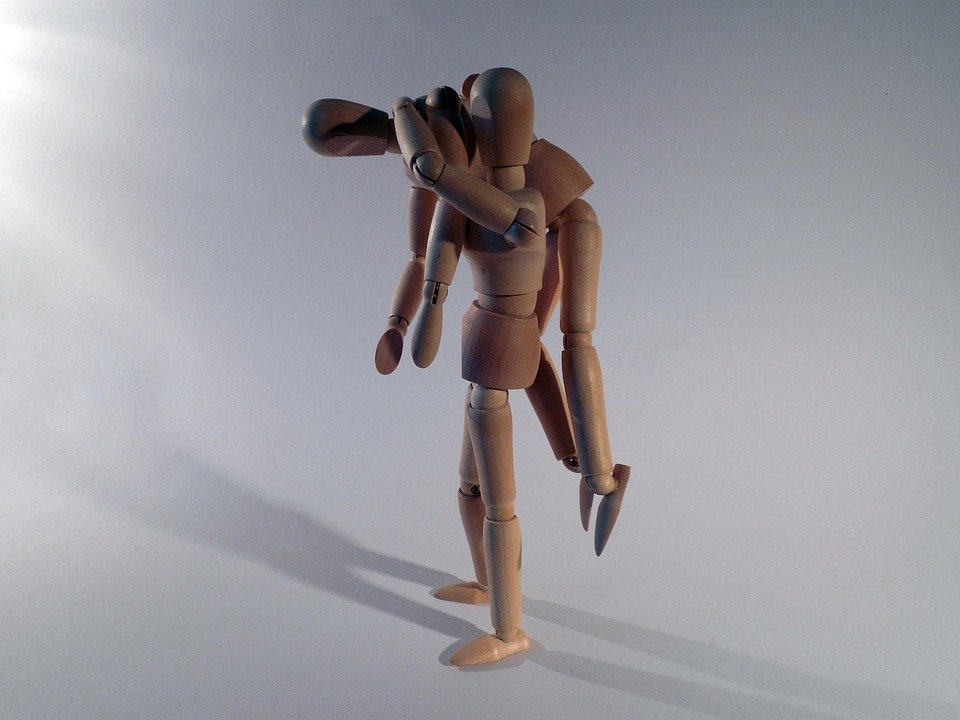
First aid is the initial assistance provided to someone who is injured or suddenly unwell. Understanding the basics of first aid can help individuals respond effectively to common injuries and emergencies. This guide outlines fundamental concepts and steps to take in various situations.
What is First Aid?
First aid is aimed at preserving life, preventing the condition from worsening, and promoting recovery. It is essential to remain calm and act efficiently when faced with an emergency.
Common Injuries and First Aid Responses
-
Cuts and Scrapes
For minor cuts and scrapes, follow these steps:
- Wash your hands and the affected area with soap and water.
- Apply a clean cloth or bandage to stop any bleeding.
- After bleeding stops, cover the area with a sterile bandage.
- Monitor for signs of infection, such as redness or swelling.
-
Burns
For minor burns:
- Cool the burn under running lukewarm water for at least 10 minutes.
- Cover the burn with a sterile, non-adhesive bandage.
- Avoid using ice, as it can further damage the skin.
-
Sprains and Strains
For sprains or strains, use the RICE method:
- Rest the injured area.
- Ice the area to reduce swelling.
- Compress with a bandage.
- Elevate the injured limb above heart level if possible.
-
Fractures
If a fracture is suspected:
- Do not attempt to realign the bone.
- Keep the person still and prevent movement of the injured area.
- Seek professional medical assistance as soon as possible.
-
Choking
For someone who is choking:
- Encourage them to cough if they can.
- If the person cannot cough, speak, or breathe, perform the Heimlich maneuver.
- For infants, alternate between back blows and chest thrusts.
General First Aid Tips
- Always ensure the scene is safe before approaching an injured person.
- Stay calm and reassure the injured person to reduce their anxiety.
- Use protective gloves if available to prevent the spread of infection.
- Know when to call emergency services or seek professional help.
- Stay informed about basic first aid practices and consider taking a certified first aid course.
Conclusion
Basic first aid knowledge can be invaluable in emergency situations. Familiarizing yourself with common injuries and appropriate responses can help you effectively assist others and potentially save lives. Always be prepared and informed, as these skills can make a significant difference in critical moments.






