Introduction
In computing systems, the terms RAM (Random Access Memory) and storage are often used interchangeably by those unfamiliar with technological nuances. However, they serve distinct purposes and play different roles in the performance and functionality of devices. Understanding the difference between RAM and storage is fundamental in grasping how computers function.
The Basics of RAM
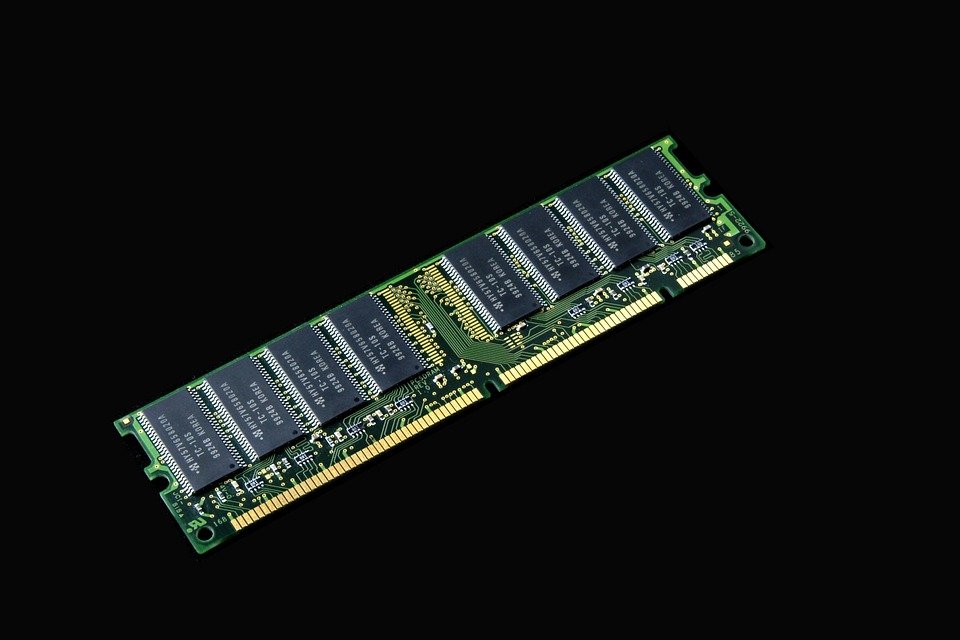
RAM, or Random Access Memory, is a type of volatile memory that temporarily stores data and instructions that the CPU (Central Processing Unit) needs in real-time. This allows for quick read and write access, which is essential for executing tasks efficiently.
- Volatility: RAM is volatile, meaning it loses its data when the power is turned off. This makes it suitable for temporary data storage.
- Speed: RAM operates at high speed, typically much faster than storage, allowing for rapid data retrieval and processing.
- Usage: RAM is used to store active applications and their data. For example, when you open a program, it is loaded from storage into RAM for quick access.
The Basics of Storage
Storage, in contrast, refers to non-volatile memory where data is saved permanently or until it is deleted. This includes hard disk drives (HDD), solid-state drives (SSD), and other forms of data storage.
- Non-Volatility: Storage retains data even when the device is powered off, making it suitable for long-term data retention.
- Capacity: Storage typically offers much larger capacities compared to RAM, allowing users to store vast amounts of information, such as documents, images, and applications.
- Speed: While modern SSDs are fast, traditional HDDs are significantly slower than RAM, affecting the speed at which data can be accessed.
Key Differences Between RAM and Storage
- Function: RAM is used for temporary, fast access to data, while storage is for permanent data retention.
- Volatility: RAM is volatile; storage is non-volatile.
- Speed: RAM is faster than storage, ensuring efficiency in operations requiring immediate data access.
- Capacity: Storage generally provides much larger capacity compared to RAM.
Conclusion
Understanding the distinction between RAM and storage is crucial for anyone involved in computing, whether as a user or in a technical capacity. Both components are vital for a system’s performance, fulfilling different roles that together enhance overall functionality. In effective computing, a balance between adequate RAM and sufficient storage capacity is essential for optimal performance.