


















Understanding the Four Competitive Swimming Strokes: Techniques and Applications
Competitive swimming is a multifaceted sport that encompasses four primary strokes: freestyle, backstroke, breaststroke, and butterfly. Each stroke has its unique techniques, training methods, and applications in races. Understanding these strokes is fundamental for both athletes and enthusiasts of the sport.
1. Freestyle
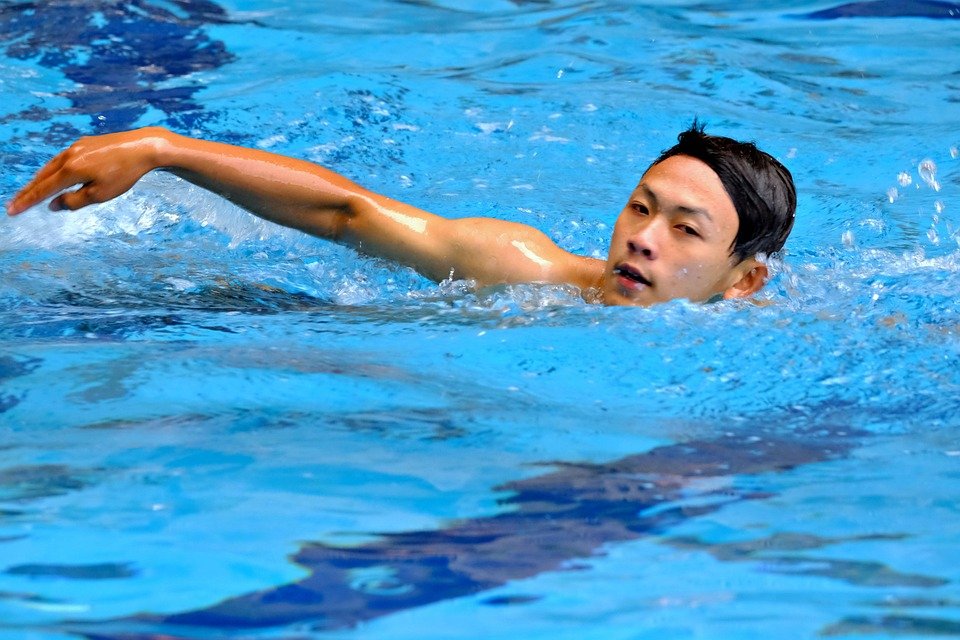
Freestyle, also known as the front crawl, is the fastest and most commonly used stroke in competitive swimming. Its technique focuses on streamlined body position, efficient arm pulls, and a steady kick.
- Body Position: Swimmers maintain a horizontal line in the water, optimizing resistance and aiding speed.
- Arm Stroke: The arms move in an alternating fashion, entering the water in front and pulling downwards in a sweeping motion.
- Breathing: Swimmers turn their heads to the side to inhale, coordinating their breathing with their arm strokes.
- Kicking: A flutter kick is used, where the legs alternate in a rapid up-and-down motion.
2. Backstroke
Backstroke is unique as it is the only stroke performed on the back. It incorporates a distinctive technique that helps maintain buoyancy while allowing swimmers to propel themselves efficiently through the water.
- Body Position: Swimmers lie on their backs with their bodies flat and hips up to minimize drag.
- Arm Stroke: Each arm alternates in a circular motion, entering the water above the head.
- Kicking: A flutter kick is also used, similar to freestyle, to enhance propulsion.
- Breathing: Swimmers can breathe freely since their face is above water, allowing for a relaxed breathing pattern.
3. Breaststroke
Breaststroke is a distinctive and slower stroke characterized by simultaneous arm movements and a frog-like kick. It is often preferred for its technical complexity and strategic race pacing.
- Body Position: Swimmers adopt a horizontal position while keeping their head above water during the arm pull.
- Arm Stroke: Arms move simultaneously in a half-circle, pulling through the water before returning to the front.
- Kicking: The frog kick is utilized, where the legs come together and then whip outward in a circular motion.
- Breathing: Unlike freestyle, swimmers typically lift their heads to breathe during the arm stroke.
4. Butterfly
Butterfly is recognized for its demanding nature and is known as one of the most physically challenging strokes. Its technique requires strong core muscles and precise timing.
- Body Position: Swimmers maintain a horizontal position while undulating their bodies in a wave-like motion.
- Arm Stroke: Both arms move simultaneously in a circular motion, entering the water in front and pulling downwards.
- Kicking: The dolphin kick is used, where both legs move together in a fluid, rhythmic manner.
- Breathing: Swimmers lift their heads to breathe as their arms pull through the water.
Conclusion
Understanding the four swimming strokes is essential for athletes seeking to improve their technique and competitiveness. Each stroke demands a unique set of skills and offers different advantages in various race formats. Proper technique, rigorous training, and an understanding of the sport’s fundamental principles are essential for success in competitive swimming.