























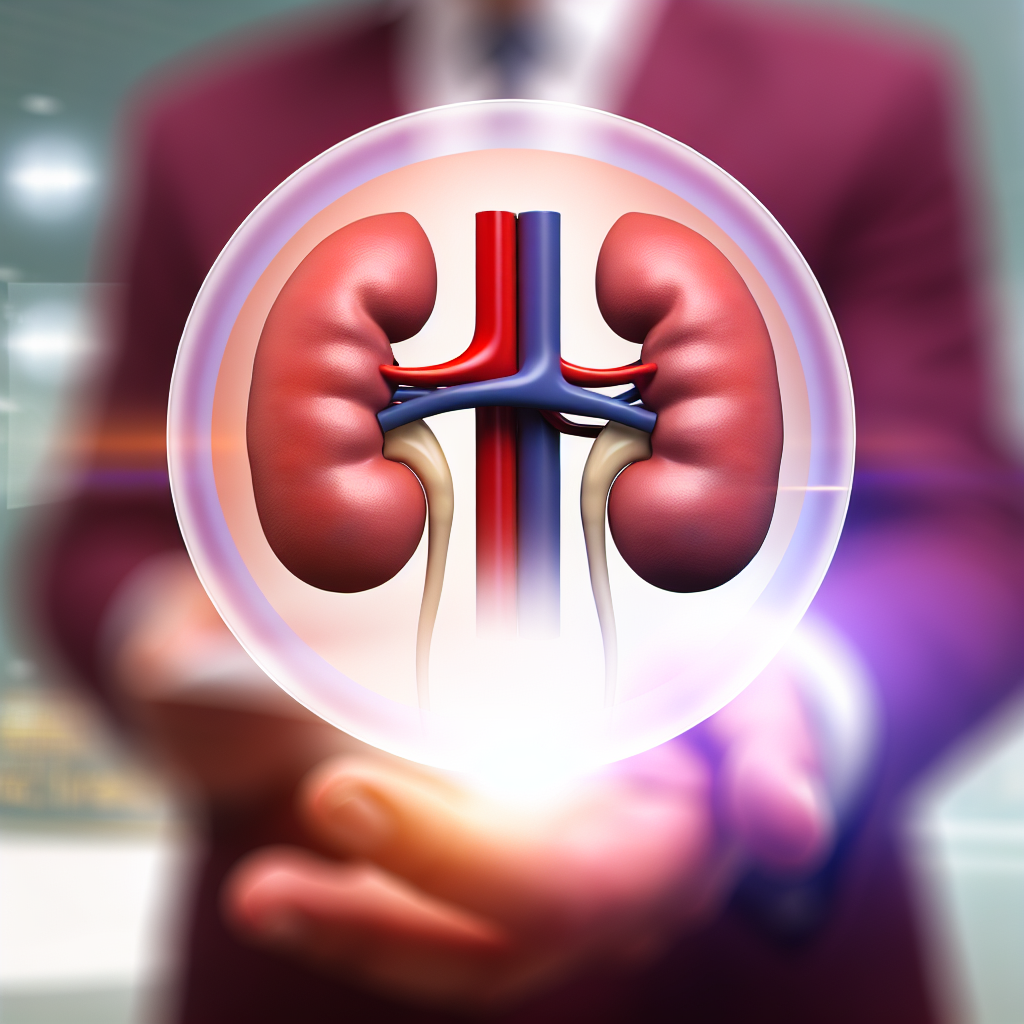
Understanding the Human Kidneys: Essential Functions and Roles
The kidneys are vital organs in the human body, playing a crucial role in maintaining overall health and balance. They are two bean-shaped organs located on either side of the spine, just below the rib cage. Each kidney contains approximately one million tiny filtering units called nephrons, which perform essential functions for bodily regulation.
Key Functions of the Kidneys
The kidneys serve several important functions that contribute to the body’s homeostasis. Here are the primary roles they play:
- Filtration of Blood: The kidneys filter out waste products and excess substances from the bloodstream. This process helps to remove toxins and keep the blood clean.
- Regulation of Fluid Balance: The kidneys help maintain the body’s fluid balance by adjusting the amount of water excreted in urine. This regulation is essential for hydration and overall health.
- Electrolyte Balance: Kidneys regulate the levels of various electrolytes, such as sodium, potassium, and calcium, which are vital for many bodily functions, including nerve and muscle function.
- Acid-Base Balance: The kidneys help maintain the body’s pH balance by excreting hydrogen ions and reabsorbing bicarbonate from urine.
- Blood Pressure Regulation: The kidneys contribute to blood pressure regulation through the renin-angiotensin-aldosterone system, which helps control blood volume and overall vascular resistance.
- Production of Hormones: The kidneys produce hormones such as erythropoietin (which stimulates red blood cell production) and calcitriol (the active form of vitamin D, important for bone health).
Maintaining Healthy Kidneys
To support kidney health, it is essential to adopt certain wellness practices. Incorporating the following general health habits can help maintain optimal kidney function:
- Stay Hydrated: Drinking an adequate amount of water helps the kidneys filter waste efficiently and prevents the formation of kidney stones.
- Eat a Balanced Diet: Consuming a variety of fruits, vegetables, whole grains, lean proteins, and healthy fats can provide the necessary nutrients for overall health, including kidney function.
- Regular Physical Activity: Engaging in regular exercise helps maintain a healthy weight, which can reduce the risk of conditions that may affect kidney health.
- Avoid Smoking: Smoking can harm blood vessels, reducing blood flow to the kidneys and impacting their function.
- Limit Alcohol Consumption: Excessive alcohol intake can increase the risk of kidney disease. Moderation is key.
- Monitor Blood Pressure and Blood Sugar: Keeping these levels in check is crucial for kidney health, as high blood pressure and diabetes are significant risk factors for kidney damage.
Understanding the essential functions of the kidneys and adopting healthy lifestyle practices can contribute to their well-being and overall health. Maintaining kidney health is a vital part of long-term wellness and quality of life.






