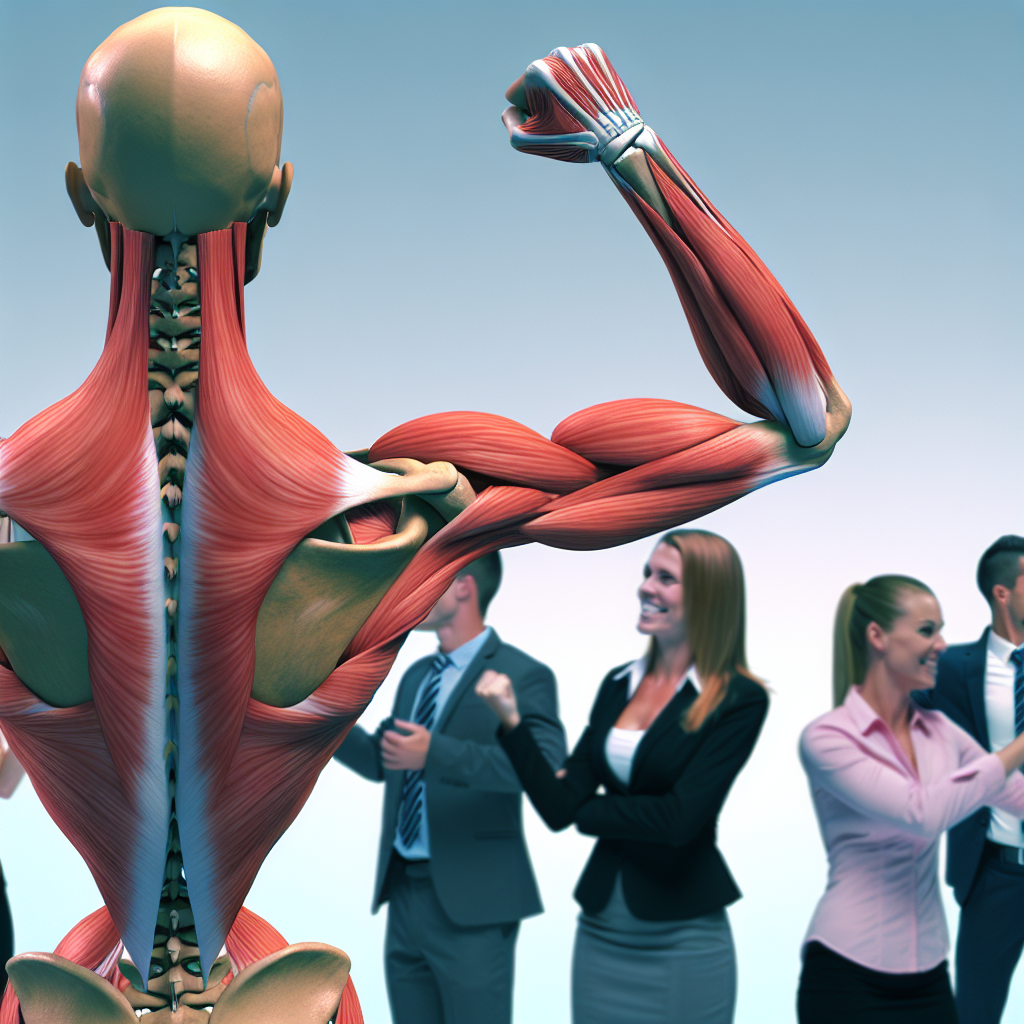
Understanding the Synergy: How Muscles and Bones Work Together for Movement
The human body is an intricate system where various components work together to facilitate movement. Two of the primary components involved in this process are muscles and bones. Understanding how these two systems interact can help us appreciate the mechanics of movement and the overall importance of maintaining a healthy body.
The Role of Bones
Bones serve as the framework of the body. They perform several critical functions:
- Support: Bones provide structure and support for the body, allowing it to maintain its shape and posture.
- Protection: Bones protect vital organs. For instance, the skull protects the brain, and the ribcage guards the heart and lungs.
- Movement: Bones serve as levers that muscles pull on to create movement. Joints, where two or more bones meet, allow for flexibility and motion.
- Blood Cell Production: Many bones contain bone marrow, which produces red blood cells, white blood cells, and platelets.
- Mineral Storage: Bones store minerals, such as calcium and phosphorus, which can be released into the bloodstream as needed.
The Role of Muscles
Muscles are responsible for generating force and movement in the body. Their functions include:
- Contraction: When muscles contract, they shorten and create tension, pulling on bones to produce movement.
- Support and Stability: Muscles help maintain posture and stabilize joints, preventing injuries during movement.
- Heat Generation: Muscle activity generates heat, helping to regulate body temperature, particularly during physical exertion.
How Muscles and Bones Work Together
The collaboration between muscles and bones is essential for any physical activity. Here’s how they work in harmony:
- Movement Creation: When a muscle contracts, it pulls on a tendon, which is attached to a bone. This action causes the bone to move at the joint, allowing for various types of movement such as walking, running, or lifting.
- Joint Function: Joints play a critical role in the efficiency of movement. Different joints allow for different types of movement, such as rotation, bending, and straightening.
- Coordination: The nervous system coordinates the actions of muscles and bones. Signals from the brain tell muscles when to contract and relax, facilitating smooth movement.
Maintaining Healthy Muscles and Bones
To ensure that muscles and bones function together effectively, it is vital to engage in regular wellness practices. Some general recommendations include:
- Regular Exercise: Engage in both strength training and aerobic activities to promote muscle strength and bone density.
- Balanced Nutrition: Consume a diet rich in calcium and vitamin D, which are essential for bone health, and protein, which supports muscle function.
- Hydration: Stay hydrated to maintain overall health, as water is essential for nutrient transport and muscle function.
- Good Posture: Maintain proper posture during daily activities to reduce stress on muscles and joints.
Understanding the synergy between muscles and bones can enhance our appreciation for our bodies and encourage healthier lifestyles. By engaging in proper nutrition and exercise, we can support this dynamic partnership and contribute to long-term well-being.