








US Military Focus Shifts to Venezuelan Oil Quarantine
The White House has issued new directives for the United States military, aiming to enforce a strict quarantine on Venezuelan oil for the next two months. This strategic shift indicates a preference for economic measures rather than military intervention to exert pressure on President Nicolas Maduro’s government.
Economic Strategy Over Military Action
An anonymous US official communicated the intention to prioritise economic sanctions as a means to compel Venezuela into compliance, as opposed to deploying military options immediately. The official noted that the expectation is for Venezuela to experience severe economic challenges by late January unless significant concessions are made to the US administration.
A Shift in Rhetoric
This latest directive follows a previous order from President Donald Trump, who had called for a blockade of Venezuelan oil shipments. The language surrounding the action has since softened from “blockade” to “quarantine,” though the underlying principles remain focused on strangling the Venezuelan regime’s economic lifelines.
Trump reiterated that US military presence would continue until Venezuelan authorities return “all of the oil, land, and other assets that they previously stole from us.”
Military Build-Up in the Region
In recent months, the US has significantly increased its military presence in the Caribbean, deploying over 15,000 troops alongside an aircraft carrier and numerous warships, including F-35 aircraft. This military build-up has been framed as part of efforts to combat “narco-terrorists” and intercept vessels allegedly involved in drug trafficking directed at the US.
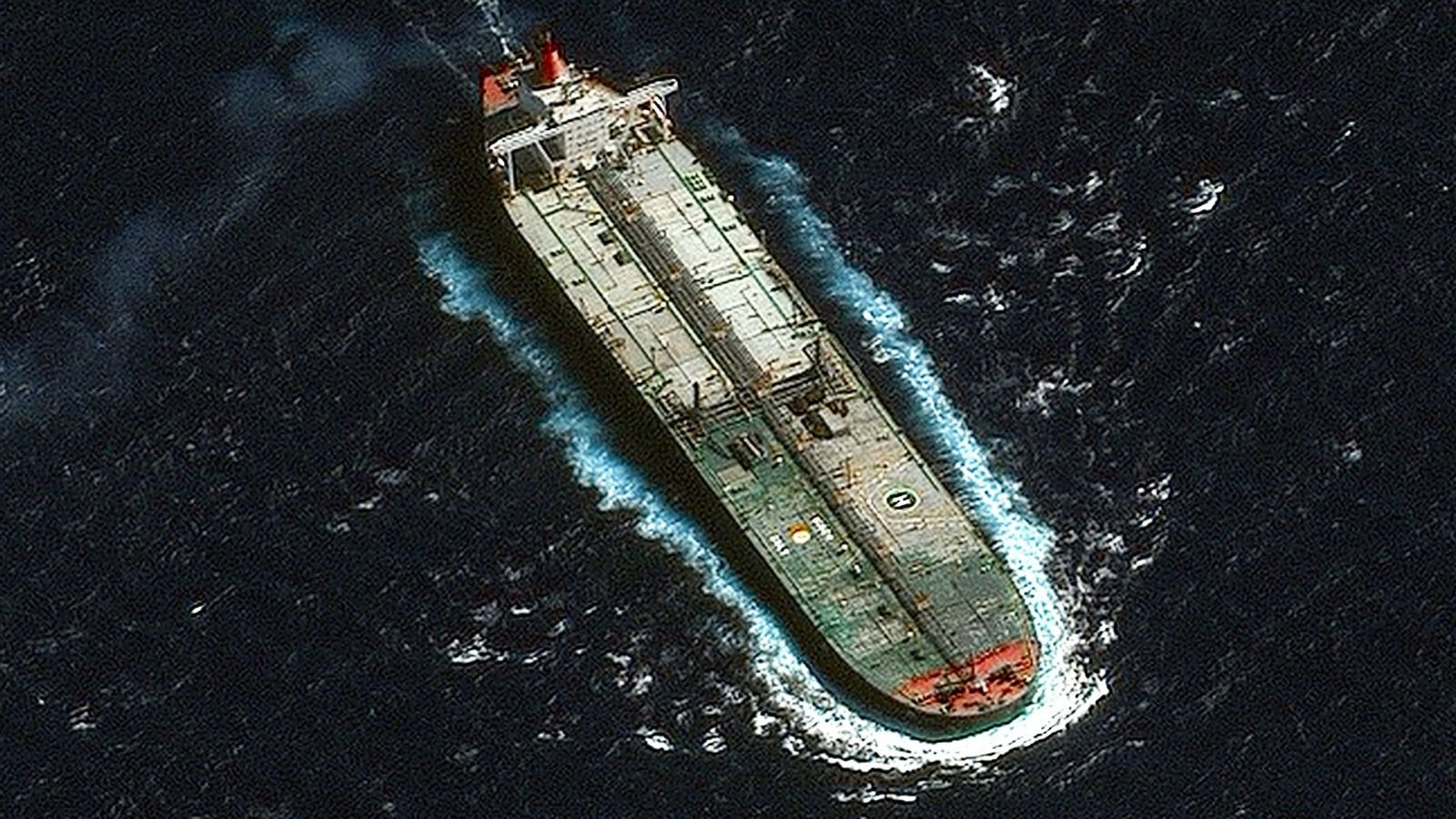
As part of these actions, the US Coast Guard has intercepted two tankers loaded with Venezuelan crude oil this month and is reportedly pursuing a third vessel.
International Reactions
At an emergency session convened by Venezuela at the UN Security Council, US ambassador Mike Waltz claimed that sanctioned oil tankers serve as a vital economic support for Maduro’s regime. Conversely, Venezuela’s UN ambassador, Samuel Moncada, asserted that the US actions amount to a military blockade and violate international law.
Moncada queried the legality of the US appropriation of nearly four million barrels of Venezuelan oil, characterising the US actions as a siege designed to destabilise Venezuela’s social and political stability.
Background
The ongoing crisis in Venezuela has seen a significant deterioration of conditions under Maduro’s rule, leading to international calls for his ousting. The US has refused to recognise Maduro as the legitimate president, intensifying sanctions aimed at crippling the Venezuelan economy and pushing the government towards negotiations.
The geopolitical implications of these developments significantly affect oil markets and global energy politics, with potential consequences that reach far beyond South America.
Source: Original Article