US Military Action in Venezuela: A New Phase of Tensions
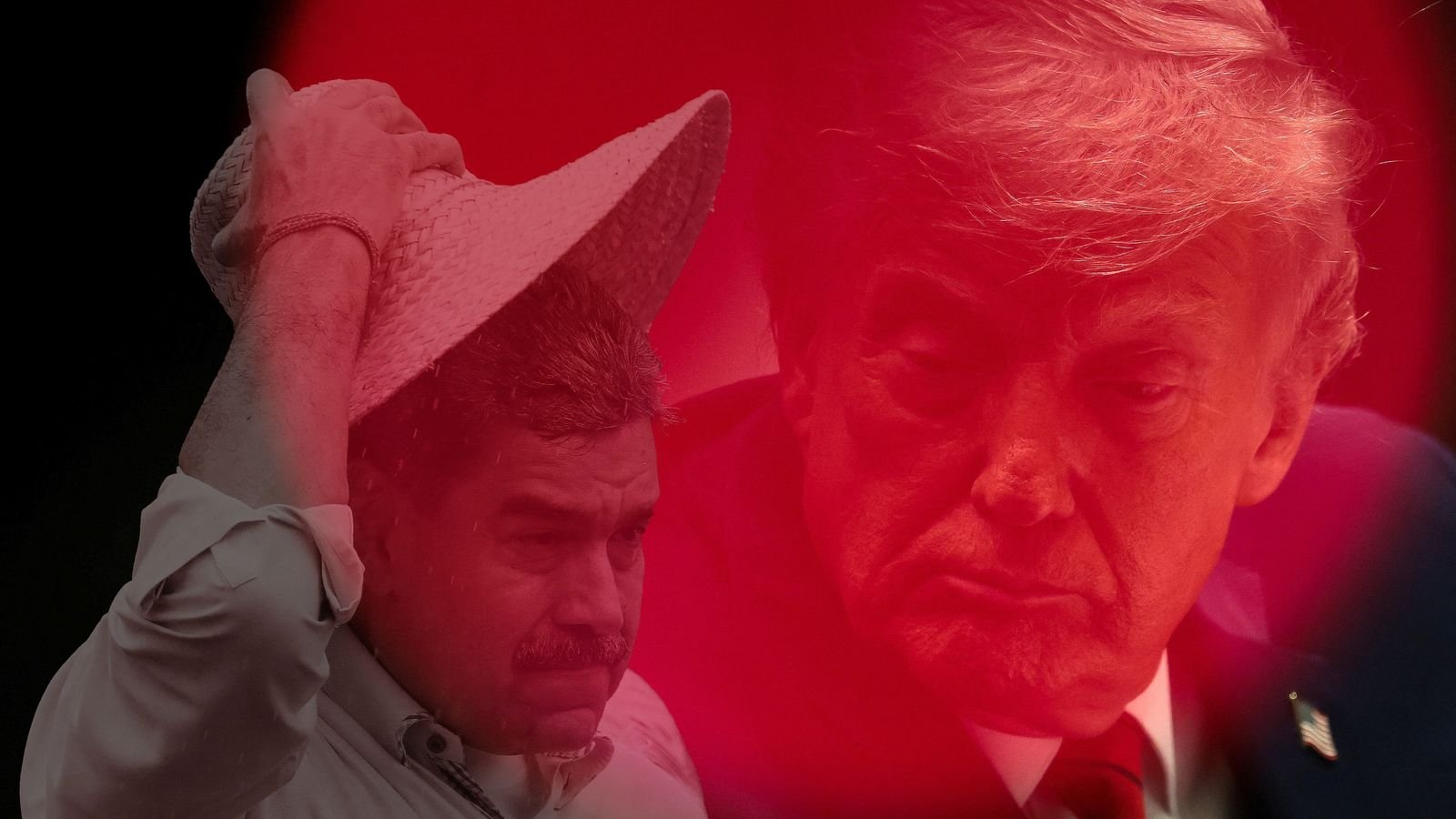
In a dramatic escalation of hostilities, the United States has launched military operations against Venezuela, marking a significant shift in its foreign policy towards Latin America. President Donald Trump announced that Venezuelan President Nicolás Maduro has been captured and removed from power, amidst ongoing tensions and military posturing in the region.
The Build-Up to Military Action
This latest military intervention follows months of heightened tensions between the US and Venezuela, driven by accusations from Trump that Maduro leads a drug cartel—a claim for which evidence has yet to be presented. In recent months, the Trump administration characterised its engagement with Venezuela as an “armed conflict” with narcotics trafficking organisations, asserting that Maduro plays a pivotal role in the flow of illegal drugs affecting the US. These assertions have been denied by Maduro, who claims the US is mischaracterising the situation.
Controversial Strikes and Civilian Impact
The US has faced backlash both domestically and internationally over its recent military actions, which have reportedly resulted in the deaths of 115 individuals during strikes targeting vessels suspected of smuggling drugs. Trump’s statements describe these vessels as linked to “narco-terrorism,” yet critics point out the lack of substantiating evidence for such claims.
Resource Interests and Geopolitical Implications
Venezuela is home to the world’s largest known oil reserves, but a combination of governmental corruption and lack of investment—often attributed to US sanctions—means these resources remain largely untapped. Some analysts speculate that America’s interest in Venezuela’s oil wealth could be a factor influencing the current military actions, alongside concerns about Venezuela’s alliances with nations such as China and Russia.
Trump’s administration has positioned itself as seeking to counteract China’s growing influence in Latin America, underscoring a strategic shift towards a more interventionist approach reminiscent of the historical Monroe Doctrine, which sought to limit European influence in the Western Hemisphere.
Responses from the Maduro Government
Maduro, who has been in power since 2013 and recently claimed victory in a controversially contested election, has responded vehemently to the US’s actions. Accusations of illegal aggression have been levied against the US, with Maduro appealing directly to the American public, advocating for peace over war. This demonstrates a persistent rivalry as both leaders assert their positions on international stages.
Background
Relations between the US and Venezuela have deteriorated significantly over the past few years, primarily due to economic sanctions and accusations of electoral fraud against Maduro’s administration. The ongoing situation poses potential ramifications not only for the immediate region but also for broader international relations, particularly in the context of US-China dynamics.
As the situation develops, the international community watches closely, aware that Venezuela serves as a focal point in the complex geopolitical landscape of Latin America.
Source: Original Article