























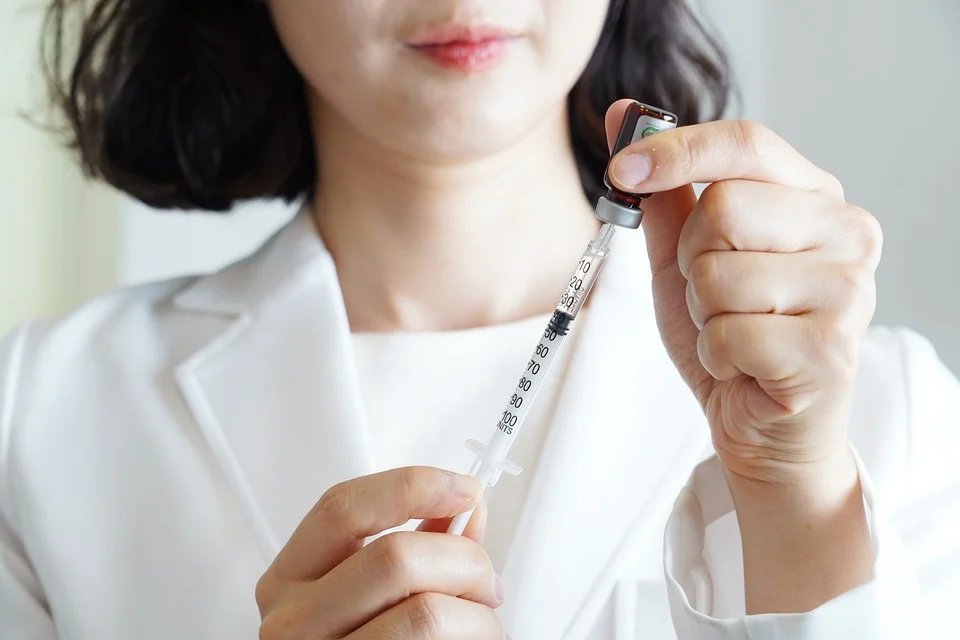
Understanding Vaccination
Vaccination is a critical method for preventing infectious diseases. It works by stimulating the body’s immune system to recognize and fight specific pathogens, such as viruses and bacteria. When a person is vaccinated, they are exposed to a harmless part of the pathogen or a weakened form of it, prompting the immune system to prepare defenses without causing the disease itself.
How Vaccines Work
Vaccines provide a safe way to build immunity. Here’s how they function:
- Immune Response Activation: Vaccination introduces antigens, which are components of pathogens. This triggers an immune response.
- Memory Cell Formation: The immune system creates memory cells that remember how to recognize and combat the pathogen in the future.
- Protection from Disease: If the vaccinated individual later encounters the actual pathogen, their immune system can respond more quickly and effectively.
The Importance of Herd Immunity
Vaccination not only protects the individual but also contributes to community health through herd immunity. When a significant portion of the population is vaccinated, it reduces the overall spread of the disease. This is particularly important for those who cannot be vaccinated due to medical reasons, such as allergies or weakened immune systems.
Commonly Vaccinated Diseases
Vaccines target various infectious diseases. Some of the most commonly vaccinated diseases include:
- Measles
- Mumps
- Rubella
- Influenza
- Hepatitis B
- Pneumonia
Benefits of Vaccination
Vaccination provides numerous benefits to individuals and society:
- Reduces Disease Spread: Vaccines help lower the rates of infectious diseases, contributing to a healthier population.
- Prevents Severe Illness: Vaccination can reduce the severity of illnesses caused by infections.
- Economic Savings: Preventing disease reduces healthcare costs associated with treating infections.
Conclusion
In summary, vaccination is an essential component of public health that plays a crucial role in preventing infectious diseases. By understanding its importance, individuals can contribute to broader efforts in achieving a healthier community. Staying informed about vaccination schedules and the diseases they prevent is fundamental for maintaining public health and safety.






