























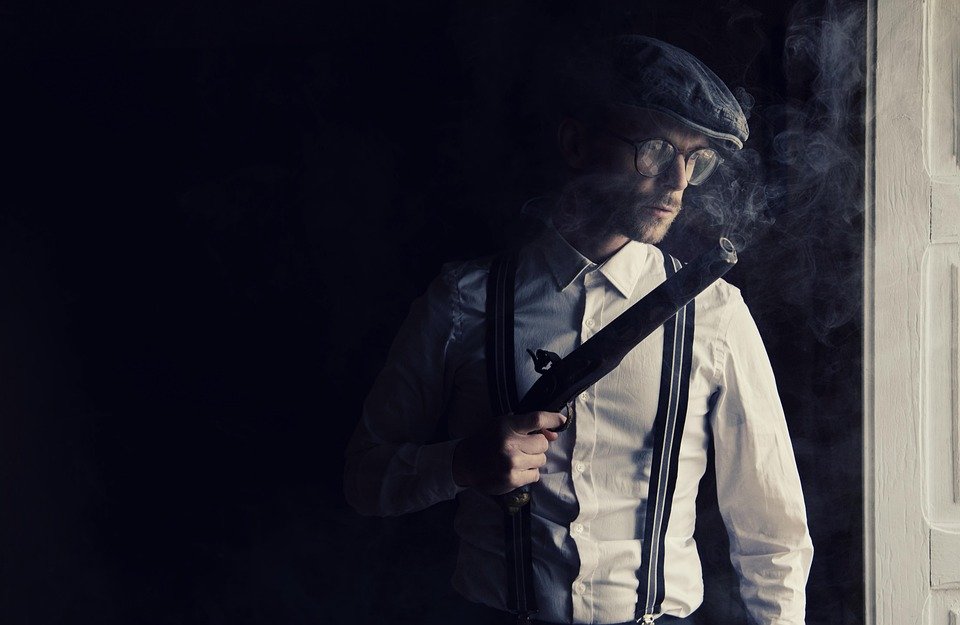
The Essence of Film Noir
Film noir, a term coined by French critics in the 1940s, refers to a style of crime film characterized by its dark, cynical attitudes, moral ambiguity, and a distinctive visual style that often employs shadowy lighting and unusual camera angles. These films often explore themes of crime, corruption, and existential despair, vividly reflecting the complex societal anxieties of the post-World War II era.
Narration: A Distinctive Element
Narration plays a crucial role in the structure and storytelling of film noir. It not only provides insights into characters’ motives and thoughts but also enhances the atmosphere of mystery and tension that the genre is known for.
Types of Narration in Film Noir
Throughout the evolution of film noir, various narrative techniques have emerged, each contributing to the genre’s unique storytelling style. The following are key approaches:
- Voice-over Narration: An iconic feature in many film noir titles, voice-over narration offers a glimpse into the inner workings of a character’s mind. Classic examples include films like Double Indemnity (1944), where Walter Neff’s confessional voice-over draws the viewer deeper into the narrative, emphasizing his moral decline.
- Unreliable Narrators: The use of unreliable narrators amplifies the ambiguity that is a hallmark of film noir. Directors like Billy Wilder skillfully employed this technique, making audiences question not only the validity of the characters’ perceptions but also the reality within the film itself.
- Flashback Structures: Many film noir narratives employ a flashback structure, where a character recounts past events that led to their present predicament. This technique allows for an exploration of fate and inevitability while revealing important backstory about characters.
Influential Directors and Their Use of Narration
Several directors have made significant contributions to the film noir genre, shaping its visual and narrative style through their mastery of narration:
- Alfred Hitchcock: Although primarily associated with psychological thrillers, Hitchcock’s films often incorporate noir elements, particularly in his use of voice-over. In Suspicion (1941), the narrative perspective shifts with the protagonist, keeping audiences in suspense.
- Joseph H. Lewis: Known for his work on Gun Crazy (1950), Lewis effectively used voice-over to create intimacy and heighten tension, making audiences privy to the characters’ inner turmoil.
- Jean-Pierre Melville: A key figure in the French New Wave, Melville’s films often pay homage to classic film noir. His film Le Samouraï (1967) blends minimalist narration with visual storytelling, allowing for an atmospheric exploration of existential themes.
The Impact of Narration on Film Noir’s Legacy
The narrative techniques inherent in film noir have left an indelible mark on the genre, influencing subsequent filmmakers and styles. The use of voice-over, unreliable narrators, and flashbacks has been adopted and adapted in various forms of cinema, showcasing the genre’s enduring relevance. As filmmakers continue to explore moral complexities and human psychology, the legacy of film noir’s storytelling tactics can still be felt today.
Conclusion
The role of narration in film noir is not merely a functional device; it is a vital part of the genre’s DNA. By pushing the boundaries of traditional storytelling, these narrational techniques have given audiences a profound understanding of the dark and twisted worlds inhabited by its characters. As we continue to enjoy the classics of film noir, it is essential to recognize how narration shapes our experience and deepens our engagement with the narratives on screen.






