























World Health Organization Approves Weight Loss Injections for Obesity Treatment
For the first time, the World Health Organization (WHO) has conditionally recommended weight loss injections as a method for treating obesity, a chronic disease affecting millions worldwide. WHO Director-General Tedros Adhanom Ghebreyesus emphasised that while medication should not be viewed as a standalone solution, these injections may significantly aid individuals in managing their weight and mitigating obesity-related health issues.
Understanding the New Guidelines
The WHO’s newly issued guidelines advocate for the use of GLP-1 therapies—an innovative class of drugs that mimic gut hormones, enhancing insulin release and reducing appetite. The recommendations specifically target adults with a Body Mass Index (BMI) of 30 or higher, excluding pregnant women.
Integration with Lifestyle Changes
Alongside the medical treatment, the guidelines highlight the necessity of integrating lifestyle changes, including healthy dietary practices and physical activity, as essential components of a comprehensive care plan.
Challenges to Accessibility
Despite the potential benefits, the WHO has acknowledged that access to these treatments presents a significant challenge. Projections indicate that even with increased production, only a fraction—under 10%—of individuals who could find relief through these therapies will have access by the year 2030.
Global Context of Obesity
Obesity is a growing global health concern that currently affects over a billion people, with the figure anticipated to climb to two billion by 2030. The increase in obesity rates has prompted discussions around effective treatment options, highlighting the urgency for comprehensive solutions.
Recent Developments in the UK
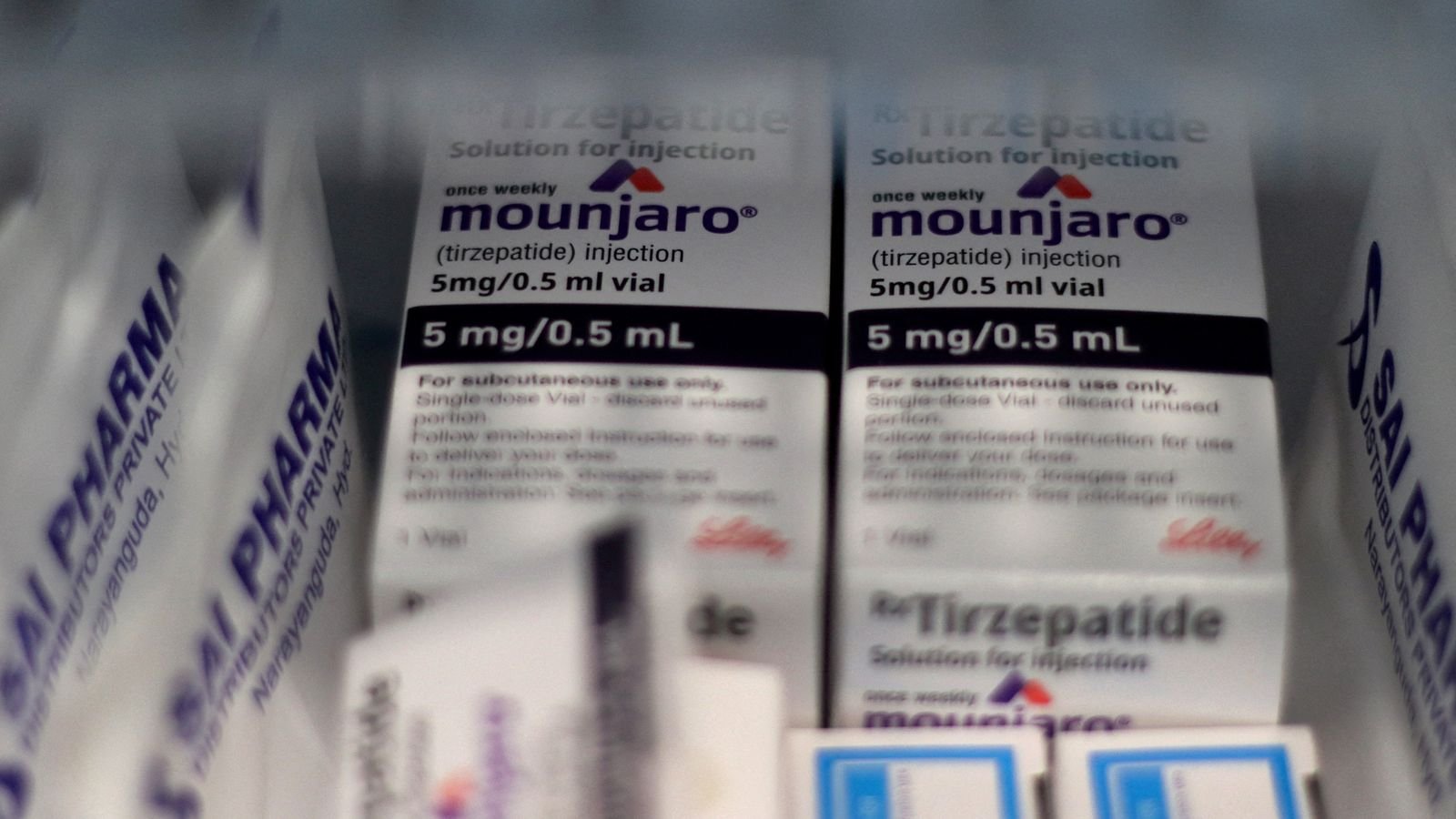
The UK has already taken steps in this direction, having licensed the weight loss injection Wegovy for use, which is now available through the NHS. A similar injection, Mounjaro, is intended for distribution in community services, with NHS Integrated Care Boards slowly starting to offer treatments. However, as of early August, reports indicated that only eight of 42 NHS boards had begun administering the injections, raising concerns about availability.
NICE Recommendations
In August, the National Institute for Health and Care Excellence (NICE) advised that patients transitioning off these medications should receive structured follow-up support to assist in maintaining weight loss. This includes NHS monitoring for a minimum of one year post-treatment, focusing on establishing sustainable behavioural changes.
Background
The WHO’s recent guidelines represent an evolving understanding of obesity as not merely a personal issue but a public health challenge that necessitates integrated approaches for effective treatment. The focus on medication as part of a broader strategy reflects a significant shift in the conversation surrounding obesity management. As healthcare systems adapt to these recommendations, challenges related to accessibility and support structures remain critical areas for ongoing development.
Source: Original Article






