























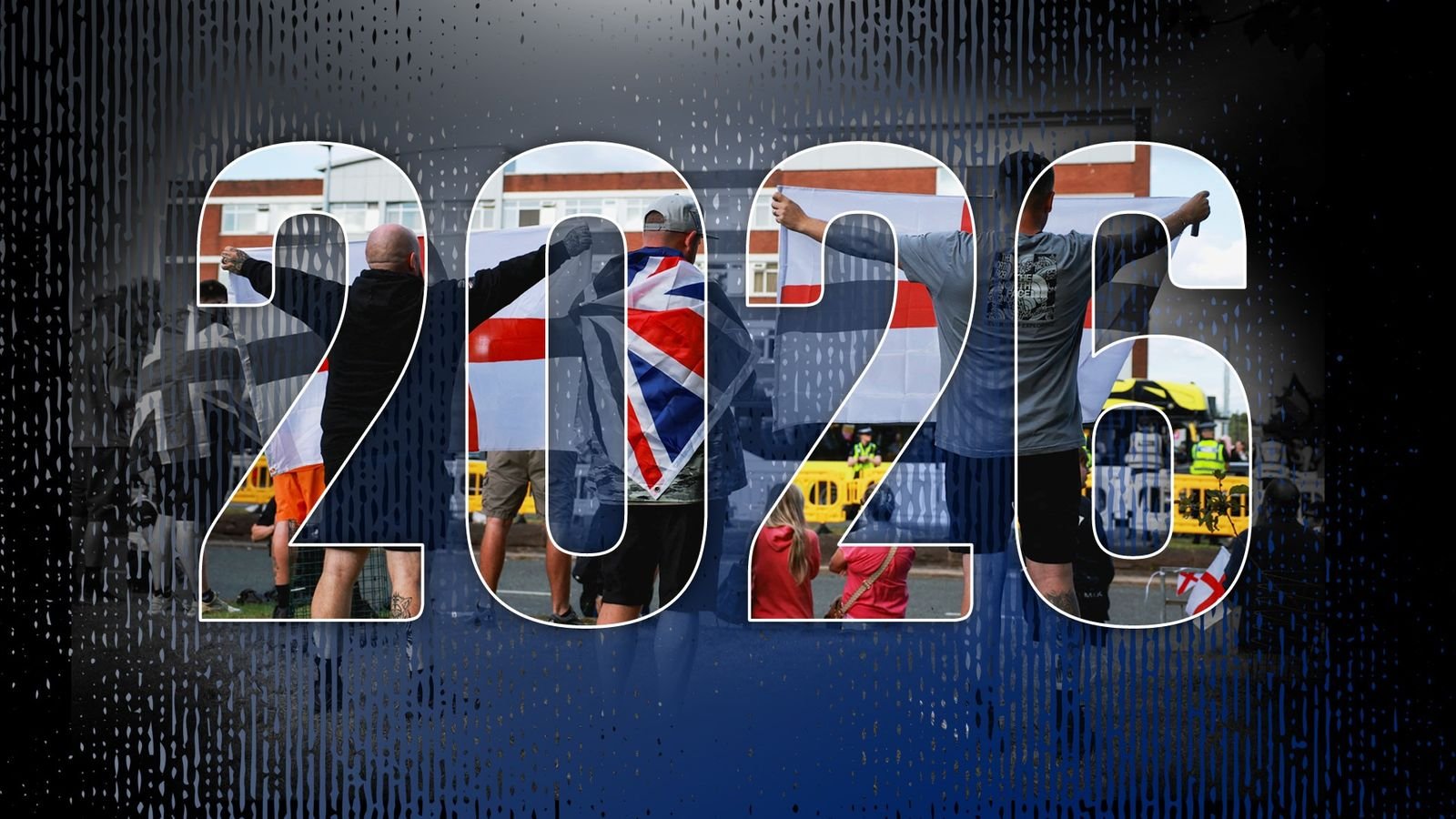
2026: A Pivotal Year for the UK and Global Politics
As the world transitions into 2026, key political challenges are emerging that could significantly shape the UK’s domestic and international landscape. From anticipated local elections that could redefine leadership in the Labour Party to unresolved geopolitical tensions involving Russia and China, this year is poised to be as eventful as the last. With essential elections in May, issues surrounding illegal migration, and the ongoing war in Ukraine, the stakes are high for policymakers on multiple fronts.
Domestic Developments: Sir Keir Starmer’s Leadership at Stake
This year will be crucial for Labour leader Sir Keir Starmer, particularly as the results of local elections in May hold the potential to alter the party’s dynamics. Significant losses could instigate serious challenges to his leadership. Additionally, there’s a real possibility that Labour’s grip on power in Wales may weaken, with the Plaid Cymru party potentially seizing control for the first time in Cardiff. Labour’s standing in Scotland also remains under pressure, as the SNP is expected to retain its majority in Holyrood.
Further complicating matters, the local elections will provide a platform for the Reform UK party to gauge its influence, which could lead to leadership questions for the current Prime Minister, Kemi Badenoch.
Migration and Welfare Reforms Under Scrutiny
The ongoing issue of illegal migration continues to dominate political discourse. The UK government is under pressure to implement stricter measures and coordinate closely with French authorities to manage small boat crossings. Should these efforts falter, expectations for stricter immigration policies will mount.
Amidst this, proposed reforms in welfare, including reviews on personal independence payments and youth unemployment, face potential setbacks if the delivery timeline is not adhered to. Starmer’s government must navigate this complex terrain while also improving relations with the EU and providing steadfast support for Ukraine.
International Affairs: Rising Tensions and Strategic Alliances
The Ongoing Ukraine Conflict
As 2026 unfolds, the war in Ukraine marks a significant point in global affairs, with both domestic and international pressures mounting. Ukraine, having secured financial agreements with the EU, still grapples with a shortage of manpower amidst escalating military costs for Russia. The looming question remains whether prolonged conflict will lead to a greater diplomatic solution or further entrench hostilities.
The Impact of Trump’s Presidency
The changing dynamics within American politics, particularly under President Donald Trump, may further complicate transatlantic relations. The Trump administration’s views on European stability and migration could create an unsettling environment for NATO partners. Concerns loom over a potential U.S.-Russia rapprochement, which may imperil ongoing support for Ukraine.
China’s Growing Influence and Ambitions
China is strategically leveraging its international stature, especially in light of shifting global alliances under the Trump administration. Xi Jinping’s regime appears resolute in amplifying its influence, including potentially contentious diplomatic visits. China’s advancements in technology and its growing assertiveness on the world stage signal a new chapter in international relations.
The AI Revolution
In the realm of technology, 2026 is projected to be transformative for artificial intelligence. Predictions indicate a shift from merely scaling AI technologies towards a renewed focus on research and development, allowing for more intelligent application in sectors such as power grids and infrastructure.
Background
The groundwork for these pivotal developments was laid during 2025, which saw significant political and diplomatic changes. The Labour Party has been facing challenges to its authority, while the migration debate has heightened in intensity. Worldwide, the Ukraine conflict continues to exert pressure on global alliances. Consequently, 2026 emerges as a year of reckoning, not only for UK politics but for the broader implications of international cooperation and conflict.
As these multifaceted issues unfold, they are set to significantly impact the political landscape both in the UK and beyond, determining the trajectory of national and global policies for years to come.
Source: Original Article






