























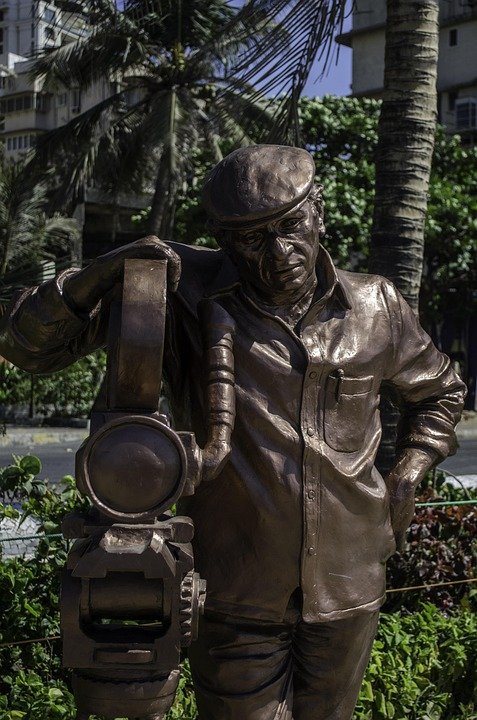
Introduction to Yasujiro Ozu
Yasujiro Ozu is widely regarded as a master of cinema and is often celebrated for his poignant exploration of the human condition and the nuances of day-to-day existence. Born on December 12, 1903, in Tokyo, Ozu was a filmmaker whose style and themes left an indelible mark on Japanese cinema and influenced directors worldwide.
Film Style and Techniques
Ozu is well-known for his distinct visual style, characterized by low camera angles, static shots, and a profound attention to composition. These elements contribute to the uniquely contemplative nature of his films.
- Low Camera Angle: Ozu frequently employed a traditional Japanese sitting position, known as “tatami shot,” where the camera is placed at the height of a person seated on a tatami mat. This technique fosters an intimacy between the viewer and the characters.
- Ellipsis and Narrative Structure: Ozu often used ellipsis to convey the passage of time, allowing the audience to fill in the gaps. His narratives typically followed the lives of ordinary families, focusing on significant yet understated moments rather than grand climaxes.
- Emphasis on Everyday Life: Common themes include family relationships, aging, and social changes in post-war Japan. Ozu’s meticulous attention to detail captures the rhythm of everyday life, effectively turning mundane aspects into profound explorations of existence.
A Notable Filmography
Throughout his career, Ozu directed over 50 films, many of which have become classics in the canon of world cinema. Some of his most acclaimed works include:
- The Tokyo Story (1953): Often regarded as his masterpiece, this film explores the generational tensions within a family during a visit to Tokyo.
- Late Spring (1949): A poignant tale of a daughter’s relationship with her father, examining the concepts of duty and personal happiness.
- Floating Weeds (1959): A remade version of his 1934 silent film, this work explores themes of love and betrayal in the context of a traveling acting troupe.
Thematic Preoccupations
Ozu’s films often reflect the social and cultural shifts occurring in Japan, particularly during the post-war era. He addressed issues such as:
- Family Dynamics: The delicate balance of parental obligations and individual desires is a recurring theme.
- Modernization vs. Tradition: Ozu frequently depicted the tension between rapidly changing societal norms and traditional values.
- Transience of Life: This theme is poignantly captured in the simple yet profound moments that define the human experience.
Influence and Legacy
Ozu’s influence extends far beyond the borders of Japan. His minimalist style and focus on everyday life have inspired countless filmmakers, including directors like Yasujirō Shimazu, Aki Kaurismäki, and even prominent figures in Western cinema like Jim Jarmusch and Hou Hsiao-hsien.
In appreciation of his work, many retrospectives and film festivals continue to feature his films, and academic studies delve into his cinematic language and thematic complexity. Ozu’s understated yet powerful storytelling remains relevant and resonates with audiences today.
Conclusion
Yasujiro Ozu’s legacy as the poet of everyday life not only enriched Japanese cinema but also contributed to the global understanding of the subtle beauty found in the mundane. Through his meticulous narratives and innovative filmmaking techniques, he invites each viewer to reflect on the intricacies of life, family, and the passage of time.






