






















AI Image Enhancement in Long-Running Missing Person Case
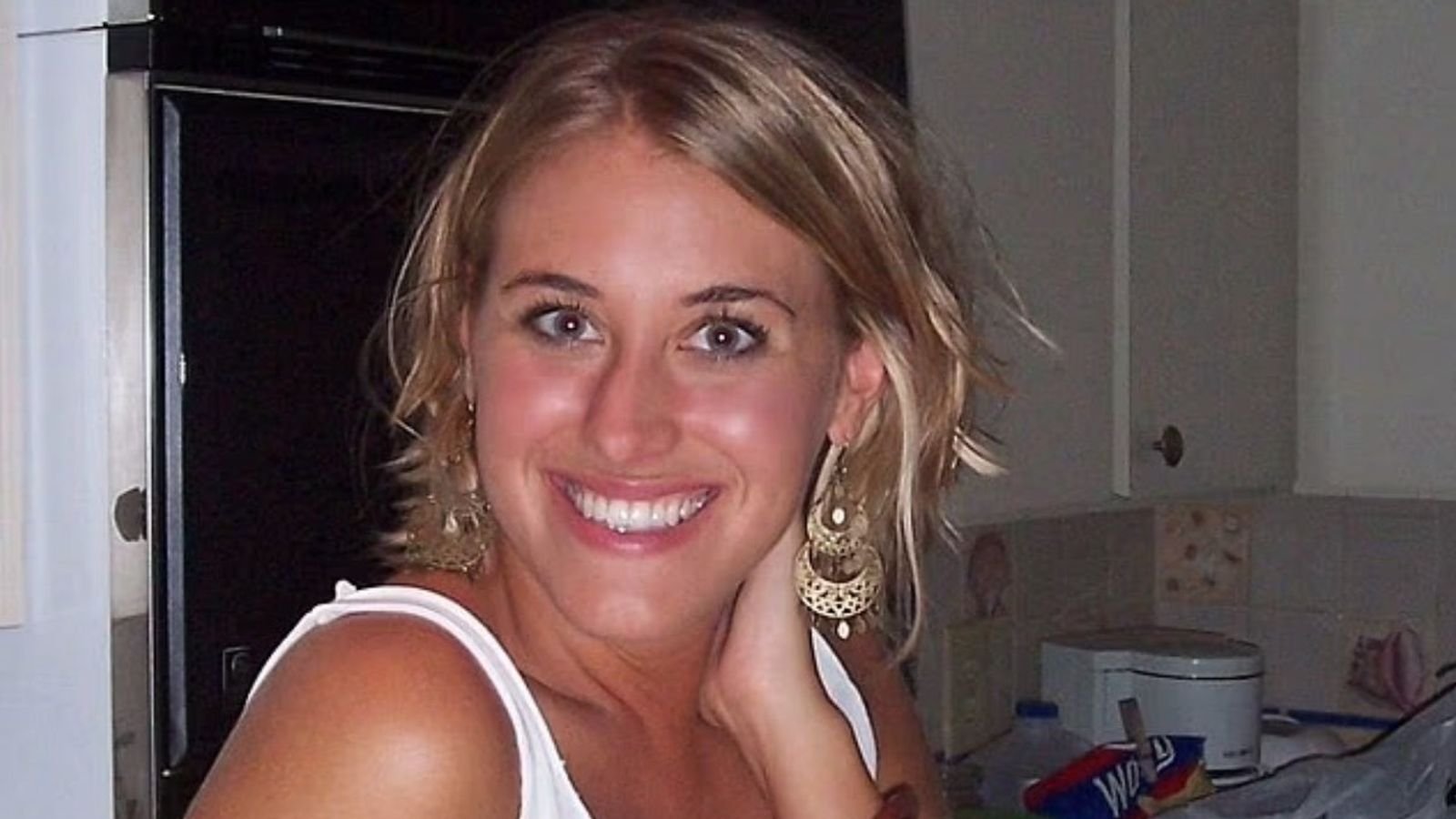
The parents of Jennifer Kesse, a woman who disappeared nearly two decades ago, are turning to artificial intelligence to aid in solving her case. Drew and Joyce Kesse recently expressed hope that an enhanced image of a suspect’s ear might lead to new developments in locating their daughter, last seen in Orlando, Florida, during the festive season nearly 20 years ago.
Mystery Surrounding Jennifer’s Disappearance
Jennifer Kesse vanished around Christmas in 2006. Weeks later, concerns grew when she failed to report to work after the holiday break. Her car, a black Chevrolet Malibu, was discovered abandoned about a mile away from her residence, a pivotal clue in the investigation.
According to the FBI, surveillance footage captured an individual parking Kesse’s vehicle at an apartment complex before walking away. However, the video quality was insufficient for identification, with the suspect’s face obscured by objects in the frame.
New Hope with AI Technology
At 68, Drew Kesse believes that advancements in AI may provide the breakthrough they’ve been seeking. He stated that previous enhancements to the footage were limited due to the outdated camera technology used, which contributed to its grainy quality.
“We have footage of a person who dropped Jennifer’s car off,” he explained, noting that AI could clarify an image of the suspect’s ear, a unique identifier comparable to fingerprints or DNA.
The Kesse family is collaborating with a technology firm to apply AI to the existing evidence, with the Florida Department of Law Enforcement (FDLE) involved in the ongoing investigation. “If we can enhance that picture, this could accelerate the process of finding that person,” Mr. Kesse remarked.
Frustrations with Law Enforcement
The Kesses have faced considerable hurdles during the investigation. Initially handled by the Orlando Police Department, the case’s lack of progress led the family to pursue legal action in 2019 to access previously withheld case files. This resulted in the FDLE taking over the case in 2022, during which they discovered DNA evidence from Kesse’s vehicle that had never been tested.
“They began re-examining everything and stumbled upon evidence that had been overlooked,” said Mr. Kesse, indicating optimism that this new DNA evidence could potentially help solve the case.
The Family’s Ongoing Search
Despite the challenges, the Kesse family continues to advocate for their daughter’s case. Mrs. Kesse holds on to the hope that her daughter might still be alive, emphasizing the emotional toll of nearly 20 years of uncertainty. “It would end almost 20 years of ambiguous loss,” she reflected, underscoring the common experience of families who have endured similar tragedies.
Meanwhile, Mr. Kesse expressed a more somber view, stating he does not believe Jennifer is alive but maintains the determination to find her. The couple actively disseminates flyers and information about their daughter’s disappearance, ensuring that she remains in public consciousness.
Conclusion
The Kesses’ relentless pursuit of answers highlights the devastating impact of unresolved disappearances, affecting not just the family but entire communities. With the potential of AI technology, there may be renewed hope of bringing closure to this long-standing case.
Anyone with information related to Jennifer Kesse’s disappearance is encouraged to visit findjenniferkesse.com for more details.
Source: Original Article






