Major Developments at El Helicoide: Political Prisoners Begin to Emerge
In a noteworthy turn of events, a series of political prisoners have begun to be released from El Helicoide, a notorious facility in Caracas that once aimed to serve as a shopping centre but has long been associated with human rights abuses. This significant development unfolds amid changing political leadership and increased pressures from both inside Venezuela and the international community.
History of El Helicoide
El Helicoide, with its unique three-sided pyramid structure, has gained an infamous reputation as a prison and secret police headquarters in Venezuela. It has been linked to numerous allegations of torture against inmates, highlighting the darker aspects of the country’s political landscape. The complexity of Venezuelan politics makes this facility a focal point in discussions about human rights and governance.
Political Changes and International Reactions
This week saw a significant political shuffle as Nicolás Maduro, the former president, faced legal troubles in a Manhattan courthouse, while Delcy Rodriguez was inaugurated as the new caretaker president. Amidst these political transitions, calls for the release of political detainees have intensified, drawing attention from various global stakeholders, including the Trump administration in the United States.
Prisoner Releases: A Sign of Change?
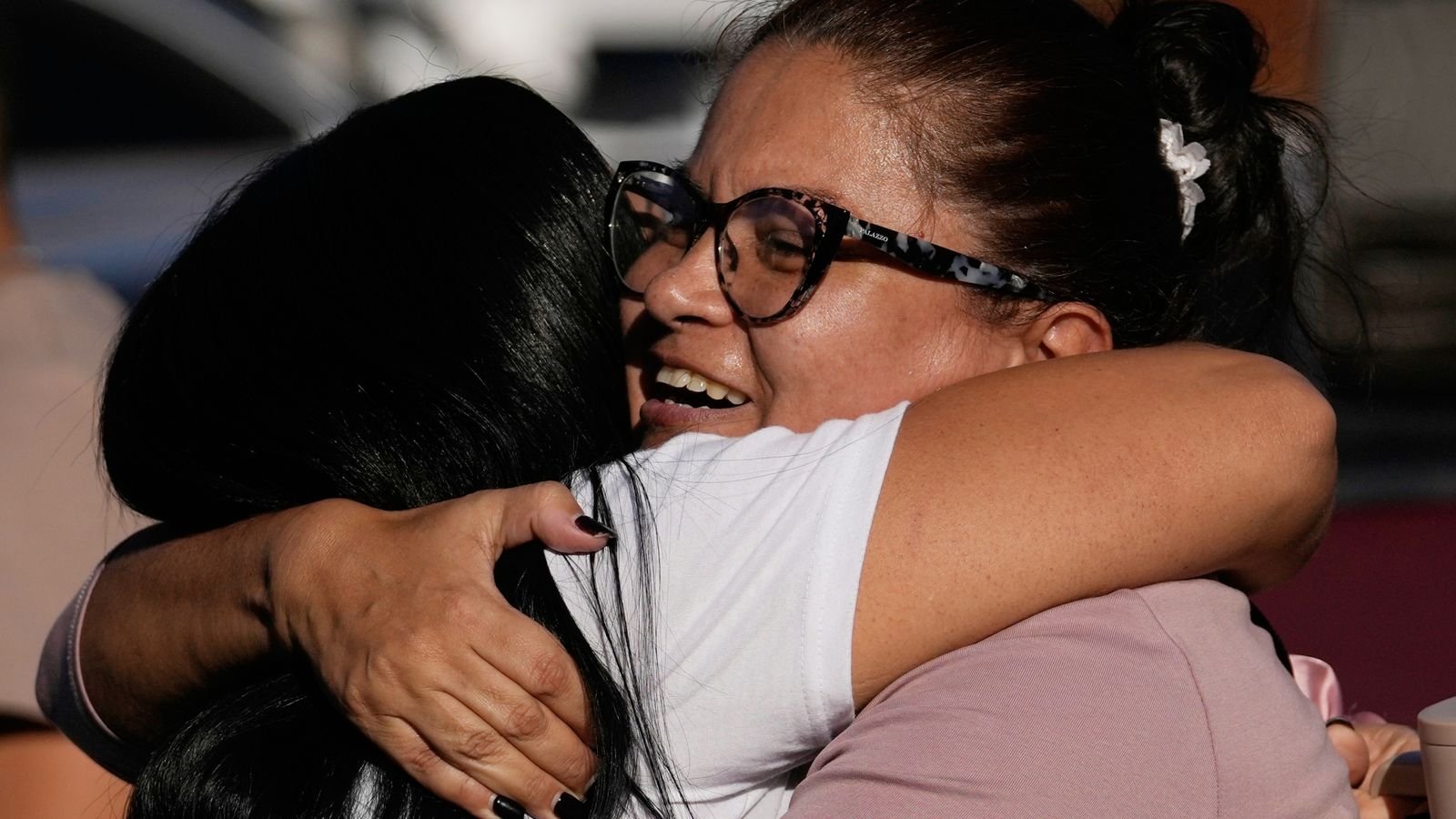
Television cameras captured the poignant moment as released political prisoners were reunited with their families, suggesting a potential softening in the government’s approach. Such gestures may be indicative of a willingness to accept reforms, a message that resonates particularly within a volatile political atmosphere.
President Trump recently referred to the Venezuelan government’s decision to close El Helicoide, calling it a “torture chamber.” This statement aligns with longstanding demands from the opposition for greater accountability and the release of political prisoners, suggesting that international pressure may be influencing internal policy shifts.
Expanded Calls for Freedom
Among those now being discussed for potential release are prominent opposition figures, including individuals closely associated with notable leaders like Maria Corina Machado. The release of such high-profile detainees would mark a significant shift in the government’s approach to dissent, particularly following a series of politically motivated arrests that have surged since 2014, amidst heightened tensions surrounding opposition activities.
Background: Persistent Arrests and Human Rights Concerns
Since Maduro’s rise to power, there have been over 18,000 politically motivated arrests. This number surged dramatically after the July 2024 elections, when the opposition appeared poised for a substantial victory. A recent wave of arrests also occurred following opposition gatherings, raising serious concerns about political repression in the country.
Looking Ahead
The latest releases come closely on the heels of Rodriguez’s inauguration and appear to signal a potential pivot in governmental policy that could foster a more open dialogue with opposition groups and the international community. The consistent pattern of prisoner releases coinciding with significant holidays adds another layer to the analysis, suggesting that the government may be utilising these opportunities as a means to improve its public image.
As the political landscape continues to shift, observers will be keenly watching whether these developments lead to meaningful reforms or if they are merely superficial gestures aimed at quelling domestic and international criticism.
Source: Original Article