Trump’s Venezuelan Oil Ambitions: A Gamble on Revival
Donald Trump’s recent efforts to revitalise Venezuela’s oil sector following the ousting of President Nicolas Maduro have sparked both promise and skepticism. While the former US president indicated that American oil companies would invest billions to restore the country’s oil infrastructure, the feasibility of such plans remains uncertain amidst ongoing sanctions and economic turmoil.
Immediate Plans for Oil Revival
Following the operation that removed Maduro from power, Trump wasted no time in outlining his aspirations for Venezuela’s oil industry. He stated that major US oil companies would be poised to invest substantial capital to repair the nation’s fractured oil infrastructure. In addition, Trump claimed that Venezuela would soon deliver 30 to 50 million barrels of crude oil to the US, valued at approximately £2.1 billion, while two sanctioned tankers have already been seized by American authorities.
Challenges in Meeting Oil Production Targets
Despite these ambitious claims, experts raise concerns about the practicality of Trump’s goals. Presently, the US prohibits Venezuelan oil exports, which significantly hampers production efforts. According to Kpler, a global analytics firm, around 40 million barrels of Venezuelan oil are currently in storage, half of which are on vessels that have either dodged the blockade or are awaiting offloading near Venezuela’s shores.
Moreover, while American imports of Venezuelan oil, particularly from Chevron—which was given sanctions relief by President Biden in 2022—account for roughly 20% of the country’s production, this does little to alleviate the pressing issues plaguing Venezuela’s oil sector.
The Long Road Ahead for Revival
Experts express doubts that the ambitious 18-month timeline for full industry restoration is achievable. Venezuela’s oil facilities have suffered from years of chronic underinvestment and widespread corruption, leading to extensive deterioration. Jorge Leon, vice president of Rystad Energy, commented on the challenges inherent in revitalising the industry, stating, “This is not gonna be cheap, this is not going to be fast, and this is not going to be easy.”
In a more realistic scenario, if stability can be achieved in the Venezuelan government, experts estimate that it might take five to seven years to double production to two million barrels per day. However, this would still fall short of production levels witnessed in the early 2000s and would necessitate at least £80 billion in investment.
Critical Infrastructure in Decline
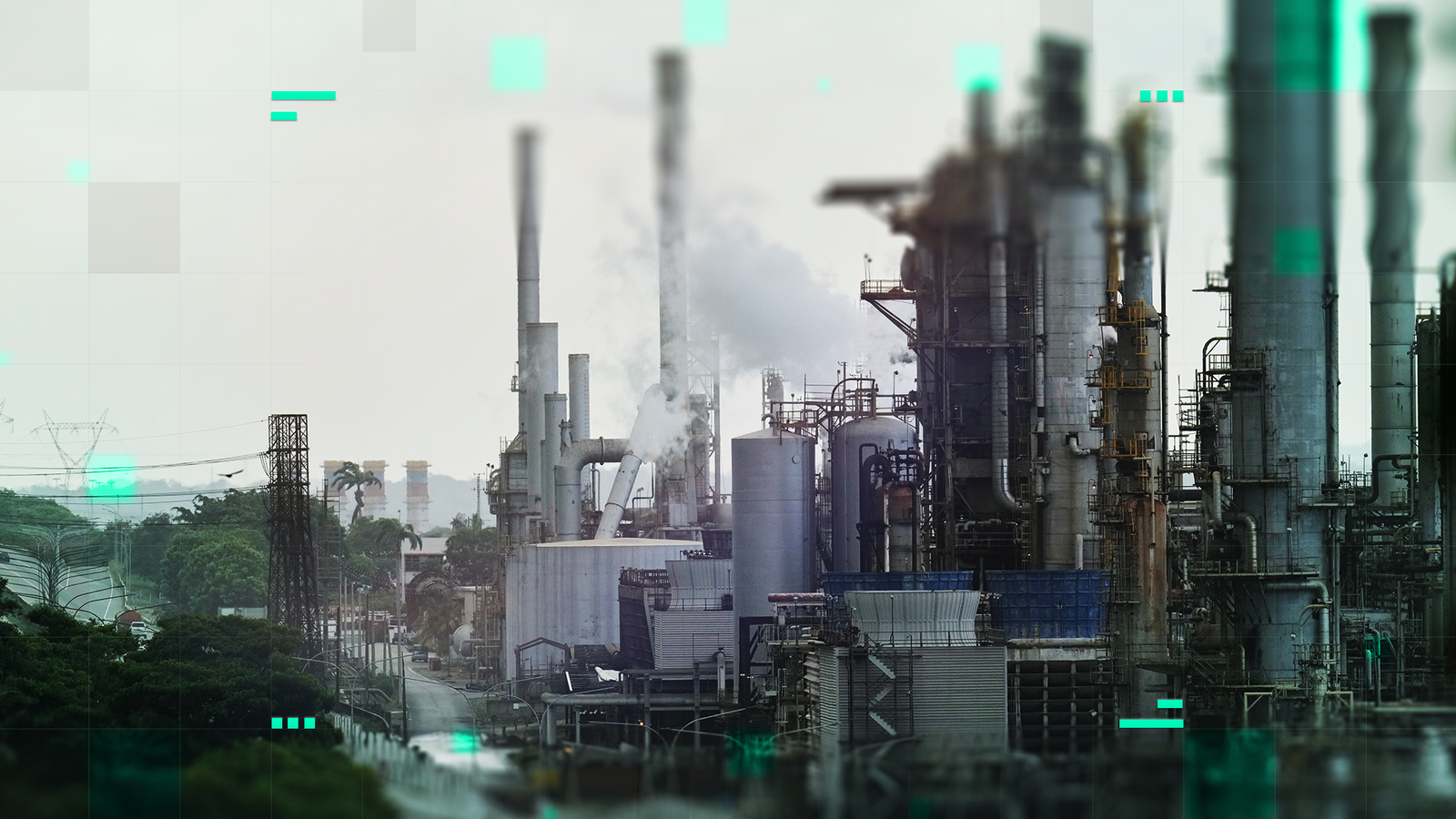
The state of Venezuela’s oil rigs and related infrastructure is alarming. Data indicates that the number of operational oil rigs has dwindled to just two in 2025, down from 67 a decade ago. Even with an increase in extraction capacity, the country also faces limitations in processing oil, particularly from the Orinoco Belt—which produces “extra heavy” crude that necessitates complex pre-treatment procedures before refining.
Storage and Environmental Concerns
With the ongoing blockade and sanctions, much of Venezuela’s produced oil remains in storage, with Kpler estimating 22 million barrels held in tanks across the nation. However, many of the storage units are reported to be in poor condition, with a significant number deemed unusable. A recent analysis of satellite images indicates that neglected tanks are at risk of rusting, leading to potential leaks and contamination issues.
Additionally, environmental concerns are mounting, as Venezuelan oil is regarded as “dirty” due to its high carbon content. Infrastructure failures further exacerbate pollution levels, with Venezuela reportedly having the highest methane emissions intensity among major oil-producing nations.
The Path Forward
Addressing the myriad issues within Venezuela’s oil sector will require substantial financial commitments, accompanied by security guarantees for investors. The current geopolitical climate, defined by a US blockade and an unstable political environment, raises questions about the willingness of international investors to engage in such risky ventures.
As experts suggest, understanding the depth of Venezuela’s challenges remains critical. With rampant corruption and uncertainty within the government, the prospects for economic recovery through the oil industry appear daunting.
Background
The challenges facing Venezuela’s oil sector are symptomatic of a broader economic crisis that has persisted over the last two decades, exacerbating poverty and social instability within the country. As a result, the future of the oil industry, which has long been considered the backbone of the Venezuelan economy, remains precarious.
Source: Original Article