Trump’s Controversial Remarks on Greenland Ignite Global Concerns
US President Donald Trump has stated that the United States “is going to do something on Greenland, whether they like it or not.” This assertion heightened tensions surrounding the Danish territory, with Trump suggesting possible intervention if he perceives threats from Russia or China in the region.
Escalating Threats Over Greenland
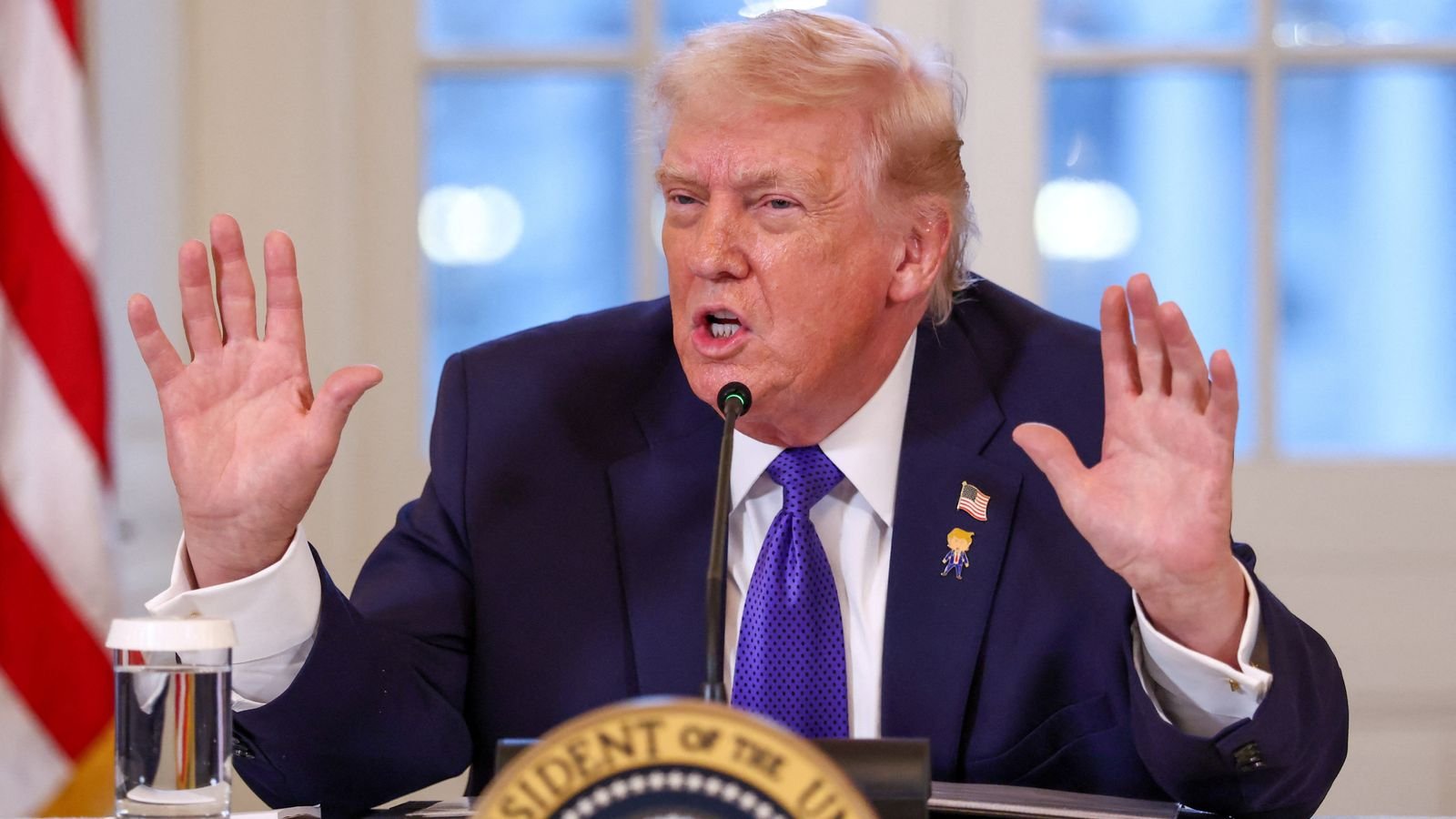
During a press conference at the White House, Trump expressed his resolve to secure Greenland, emphasizing that “we’re not going to have Russia or China as a neighbour.” Despite indicating a preference for a peaceful acquisition, he remarked on potential escalations, saying that if easier options fail, they would resort to “the hard way.”
Flanked by key officials, including Vice President JD Vance and Secretary of State Marco Rubio, Trump addressed inquiries regarding Greenland’s status and monetary negotiations with Denmark, suggesting that he might discuss compensation in the future.
International Reactions
The President’s remarks have not gone unnoticed internationally. Both British Prime Minister Sir Keir Starmer and French President Emmanuel Macron, along with other European leaders, have asserted their commitment to safeguarding Greenland’s territorial integrity. Danish Prime Minister Mette Frederiksen raised alarms, stating that any military action from the US to seize the territory could endanger NATO’s stability.
Speculation on US Intentions
Trump’s past declarations about the necessity for Greenland—a region with its own administration—have fueled speculations regarding a potential US acquisition. His justification for aggressive international posturing has further been influenced by recent military actions targeting Venezuelan President Nicolas Maduro, illustrating a broader aim for assertiveness in the Western Hemisphere and potentially beyond.
Background
- Greenland is a strategically located territory, rich in resources and of interest to both the US and competing global powers.
- Trump’s previous interest in Greenland led to international speculation regarding its sale, which Denmark firmly rejected.
- The geopolitical climate has shifted, with increased tensions surrounding resource-rich areas and the influence of Russia and China becoming more pronounced.
As these developments unfold, the UK’s role and stance may also come into focus, given its historical ties to both Greenland and NATO, potentially influencing future diplomatic relations in the region.
Source: Original Article