






















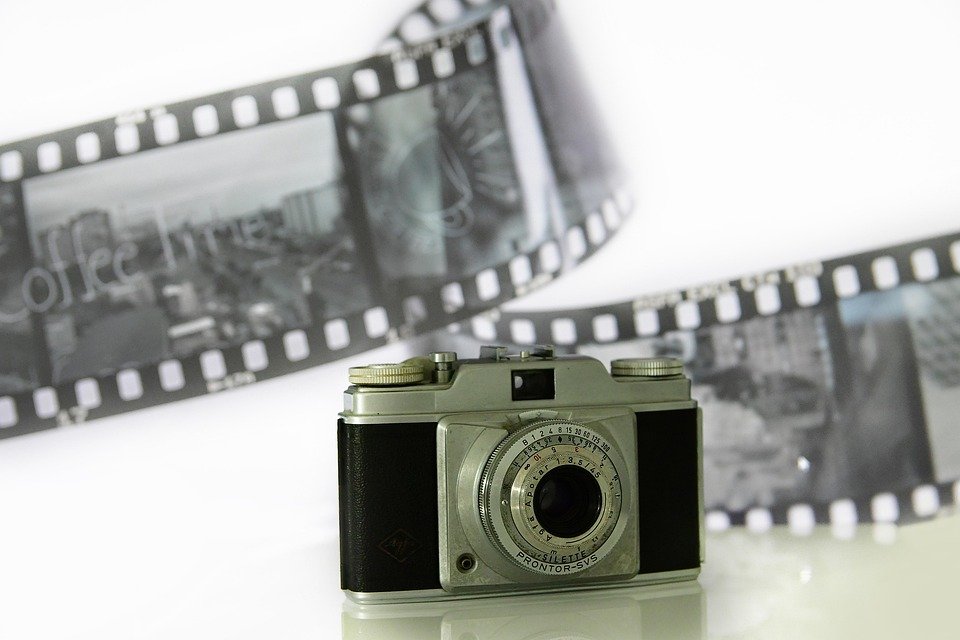
The Evolution of Film Cameras
From the early days of cinema, the mechanics of capturing moving images have evolved significantly. This evolution can be traced through the transition from manual operation to more user-friendly automatic systems. Understanding this shift provides insight into how filmmakers have adapted their techniques and expanded the art of storytelling.
The Age of Manual Cameras
In the late 19th and early 20th centuries, filmmaking was a labor-intensive process, relying heavily on manual film cameras. Pioneers like Thomas Edison and the Lumière brothers crafted some of the first moving images with hand-cranked machines. These cameras required operators to manually adjust various settings, including exposure, focus, and frame rate, leading to a unique yet challenging filmmaking experience.
Advancements in Technology
The introduction of more sophisticated mechanisms in the 1920s and 1930s set the stage for automation. Innovations such as the Mitchell Standard 35mm camera revolutionized the industry, allowing for smoother operation and improved image quality. Filmmakers like Orson Welles and John Ford capitalized on these advancements to create iconic films that pushed the boundaries of cinematic storytelling.
The Transition to Automatic Features
By the mid-20th century, the shift toward automatic features began to take root. Cameras started adopting automatic exposure and focus technologies, making it easier for filmmakers to capture dynamic scenes without the complexities of manual adjustments. This transition was crucial during the rise of movement styles such as Film Noir and the French New Wave, where rapid changes and spontaneity in filmmaking became essential.
Notable Automatic Cameras
Several key cameras exemplified this trend towards automation:
- Canon Canonet: Introduced in the 1960s, this rangefinder incorporated automatic exposure and simplified the shooting process for many amateur and professional filmmakers alike.
- Nikon FM Series: Launched in the 1970s, these cameras combined manual controls with automatic features, offering versatility that appealed to a diverse group of filmmakers.
- Minolta X-700: This 1981 model was notable for its program mode, which allowed users to shoot with minimal adjustment, thus facilitating a creative approach to cinematography.
The Impact on Filmmaking Styles
The evolution of automatic cameras also influenced filmmaking styles. Directors could now afford to experiment with more complex shots and movements. Filmmakers like Martin Scorsese and Steven Spielberg harnessed this technology, creating rich, immersive worlds that captivated audiences worldwide.
The Legacy of Automatic Film Cameras
Today, while digital technologies dominate, the origins and advancements of automatic film cameras continue to inform modern filmmaking practices. The legacy of these cameras can be seen in the current trend towards hybrid filming techniques, blending manual artistry with digital conveniences. Understanding this transition enhances our appreciation of cinema’s rich history and the profound impact technology has on storytelling.






