






















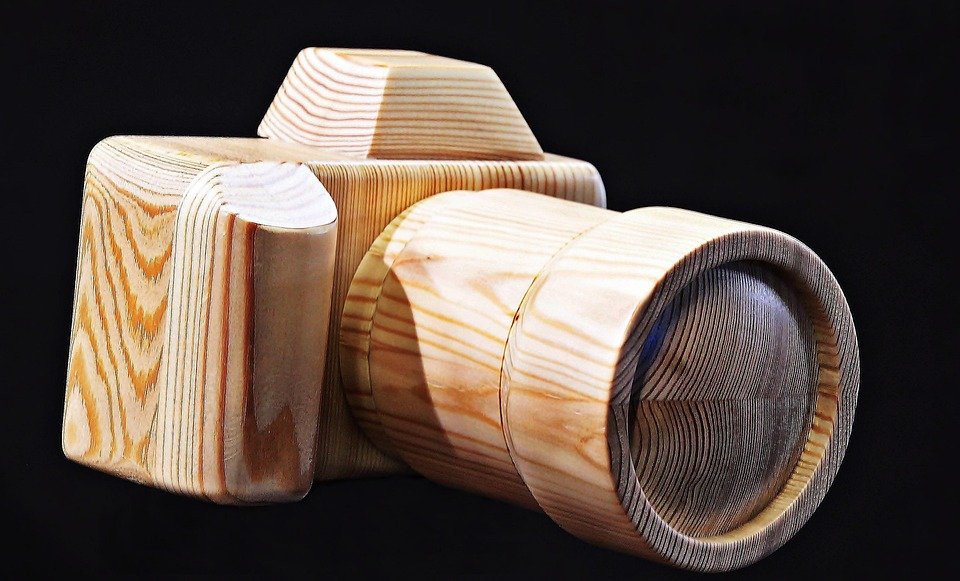
Introduction to Film Cameras
Film cameras have captured the imagination of filmmakers and audiences alike since the late 19th century. Their intricate mechanisms and evolving designs have enabled the storytelling medium of cinema to flourish. This article explores the mechanics of film cameras and their historical evolution, shedding light on their significant role in shaping the film industry.
The Basics of Film Cameras
At the core of a film camera’s functionality is the relationship between light and film. Here’s a concise overview of how these cameras operate:
- Light Entry: Light enters through the camera’s lens and is focused onto a strip of film.
- Exposure: The film, coated with light-sensitive chemicals, captures the image when the shutter opens.
- Film Transport: As each frame is exposed, the film advances to the next segment using sprockets and a pull-down mechanism.
- Development: After filming, the exposed film undergoes a chemical process to develop the images.
- Projection: Finally, the developed film can be projected onto a screen, translating still images into motion.
Historical Progression of Film Cameras
The development of film cameras parallels significant technological advancements and artistic movements. Here’s a timeline of key milestones:
- Late 19th Century: The birth of motion pictures began with inventions like the Kinetoscope by Thomas Edison. Early film cameras were simple devices, primarily using 35mm film.
- 1910s-1920s: The emergence of more sophisticated designs led to innovations such as the hand-cranked cameras used in silent film. Notable early filmmakers during this time include D.W. Griffith, who introduced narrative techniques still used today.
- 1930s: The introduction of sound in cinema revolutionized filmmaking. Cameras became more complex to accommodate synchronized sound, with directors like Alfred Hitchcock utilizing techniques to enhance storytelling.
- 1950s-1960s: The rise of color film and advancements in camera technology, such as the introduction of lighter and more portable cameras, allowed directors like François Truffaut and Jean-Luc Godard to experiment with visual storytelling in the French New Wave movement.
- 1970s-1990s: The advent of video formats posed competitive challenges, yet traditional film cameras thrived with noted filmmakers like Steven Spielberg and Martin Scorsese leveraging their capabilities for cinematic storytelling.
- 2000s-Present: Despite the digital revolution, many directors still favor film for its aesthetic qualities. Filmmakers like Christopher Nolan advocate for the use of 70mm film, celebrating its textural richness and depth.
Types of Film Cameras
Throughout film history, various types of cameras have shaped the way stories are told. Here are some of the most significant:
- 35mm Cameras: Widely used in the industry, these cameras are known for their versatility and high-quality image capture.
- Medium Format Cameras: These cameras allow for superior detail and are often used for art films and commercials.
- Large Format Cameras: Favored for their incredible resolution, large format cameras are utilized for epic films requiring breathtaking visuals.
- Super 8 Cameras: Popular among amateur filmmakers, Super 8 cameras capture a distinct grain quality, reminiscent of nostalgic home movies.
The Influence of Film Cameras on Cinematic Language
Film cameras have not only served as tools but have significantly influenced cinema’s visual language. Directors have made artistic choices based on the capabilities and limitations of their cameras. For instance:
- Framing and Composition: The dimensions of film stock influence how scenes are composed. Directors like Stanley Kubrick used wide-angle lenses to create immersive environments.
- Lighting Techniques: The sensitivity of film to light has guided cinematographers in achieving desired atmospheres, evident in films like “Citizen Kane.”
- Editing Styles: The physical properties of film stock dictate pacing and rhythm in editing, leading to different narrative styles across various eras.
Conclusion
Understanding the mechanics of film cameras and their historical progression gives insight into how cinema has matured as an art form. As technology continues to evolve, the legacy of film cameras endures, influencing future generations of filmmakers. Each shutter click encapsulates a moment in time, preserving stories that resonate long after the credits roll.






