The Four Stages of Butterfly Development: From Egg to Adult
Butterflies are among the most fascinating insects, known for their brightly colored wings and delicate structures. Their life cycle includes four distinct stages, each playing a critical role in their development. This process, known as complete metamorphosis, is characterized by significant morphological changes that transition the organism from one form to another.
Stage 1: Egg
The life cycle of a butterfly begins with the egg stage. Female butterflies typically lay eggs on the leaves or stems of specific host plants to ensure that the larvae have immediate access to food upon hatching. The eggs vary in shape, color, and texture depending on the butterfly species.
- Duration: The egg stage lasts from a few days to several weeks, depending on environmental conditions such as temperature and humidity.
- Environment: The eggs must be protected from predation and environmental stressors, which can lead to increased mortality rates.
Stage 2: Larva (Caterpillar)
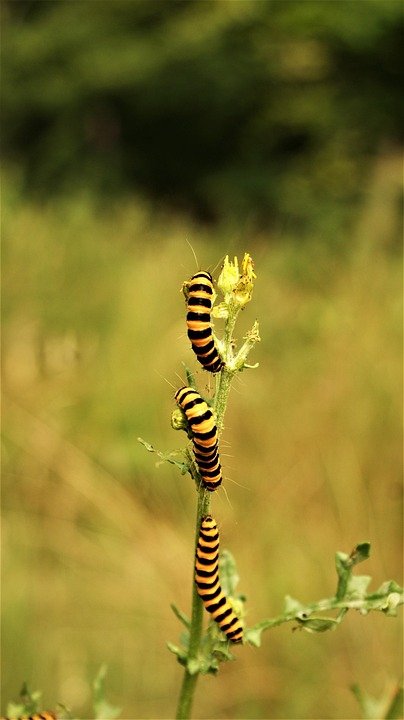
Once the eggs hatch, the larvae, commonly known as caterpillars, emerge. This is a feeding stage, and the caterpillars consume large amounts of plant material to grow and develop.
- Growth: Caterpillars undergo several molts, shedding their exoskeletons to accommodate their rapidly growing bodies.
- Feeding Behavior: They primarily feed on leaves and are often herbivorous, although some species may exhibit other dietary behaviors.
- Defense Mechanisms: Many caterpillars have adaptations, such as camouflage or toxic chemicals, to deter predators.
Stage 3: Pupa (Chrysalis)
After the larval stage, caterpillars enter the pupal stage, transforming into a chrysalis. This stage is a period of significant change as the caterpillar undergoes metamorphosis into its adult form.
- Transformation: Inside the chrysalis, the caterpillar’s body undergoes extensive reorganization, with tissues and organs being formed anew.
- Duration: The pupal stage lasts from a week to several months, depending on species and environmental factors.
- Protection: The chrysalis provides a protective casing that shields the developing butterfly from external threats.
Stage 4: Adult (Butterfly)
The final stage is the emergence of the adult butterfly. Once fully developed, the chrysalis splits open, and the butterfly emerges, initially with soft and crumpled wings.
- Wing Expansion: After emergence, the butterfly pumps fluid into its wings to expand them and allow them to dry and harden.
- Reproduction: Adult butterflies often have brief lifespans and focus on reproduction, seeking mates and laying eggs to continue the cycle.
- Behavior: Adult butterflies play a vital role in ecosystems as pollinators and are part of the food web.
Understanding the stages of butterfly development is crucial for conservation efforts, as many species face habitat loss and environmental challenges. Each stage of their life cycle is interdependent and illustrates the complexity of biological transformations in nature.