






















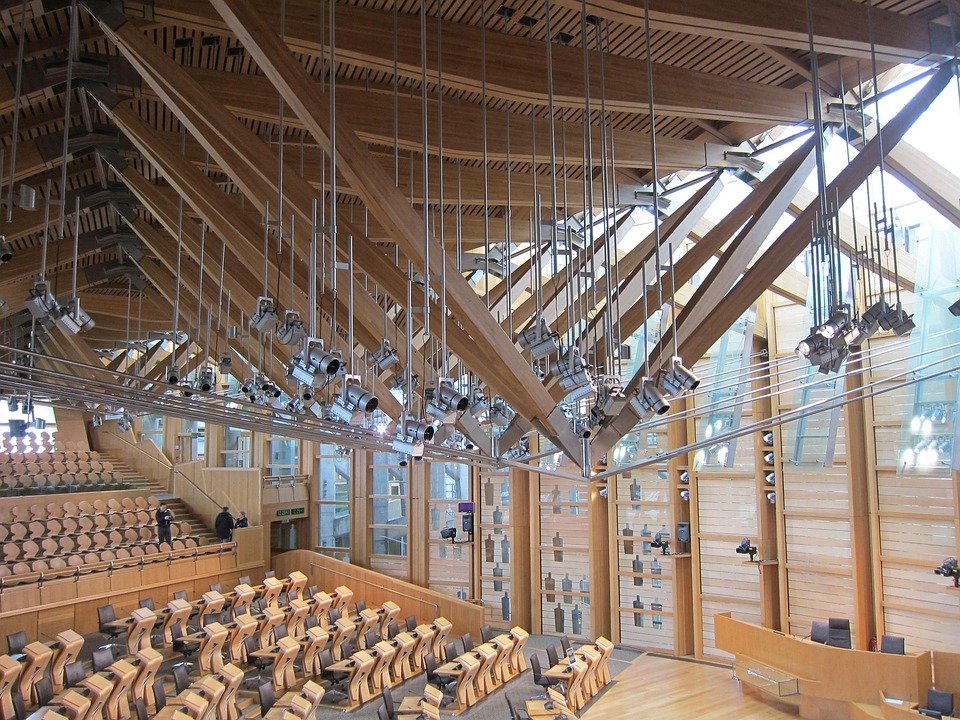
The Legislative Process in Scotland
The legislative process in Scotland takes place primarily within the Scottish Parliament, which was established in 1999. The Parliament has the authority to create and modify laws on a wide array of issues, known as ‘devolved matters,’ which include health, education, environment, and justice. This process underscores the democratic principles of representation, public participation, and accountability.
Stages of the Legislative Process
Understanding how bills are formed and passed is essential for comprehending Scotland’s political landscape. The legislative process typically consists of several key stages:
1. Proposal and Drafting
Legislation often begins as a proposal, known as a bill. Bills can be introduced by:
- Government Bills: Proposed by government ministers.
- Member’s Bills: Introduced by individual Members of the Scottish Parliament (MSPs).
Once a bill is proposed, it is drafted, often with the assistance of legal experts.
2. First Reading
The first stage in the Parliament is the First Reading. During this stage:
- The bill is introduced and its title is read out.
- No debate occurs at this juncture, providing only an overview of the bill.
3. Committee Stage
After the First Reading, the bill moves to the Committee Stage, where it is examined in detail. The Parliament has several committees, which may include:
- Subject Committees: Focus on specific areas such as health or education.
- Finance and Constitution Committee: Reviews bills with financial implications.
During this stage, amendments can be proposed and debated.
4. Report Stage
Following the Committee Stage, the bill returns to the Parliament for the Report Stage. Key elements include:
- Further consideration of amendments made during the Committee Stage.
- Opportunity for additional amendments.
5. Final Stage
The Final Stage involves a debate and the potential for further amendments. It concludes with a vote on whether to approve the bill in its final form.
6. Royal Assent
If passed by the Parliament, the bill is sent for Royal Assent, after which it becomes law. In the context of Scotland, the role of the monarch is largely ceremonial.
Types of Legislation
In Scotland, legislation can be categorized into two main types:
- Primary Legislation: Includes Acts of the Scottish Parliament, which are the principal laws.
- Secondary Legislation: Encompasses laws made under the authority of an existing Act, often to provide details or specific rules.
Conclusion
The legislative process in Scotland reflects key democratic principles, ensuring representation and thorough scrutiny of proposed laws. Through a structured series of stages, the Scottish Parliament enables elected representatives to engage in the policymaking process, thereby playing a critical role in shaping the laws that govern Scotland.






